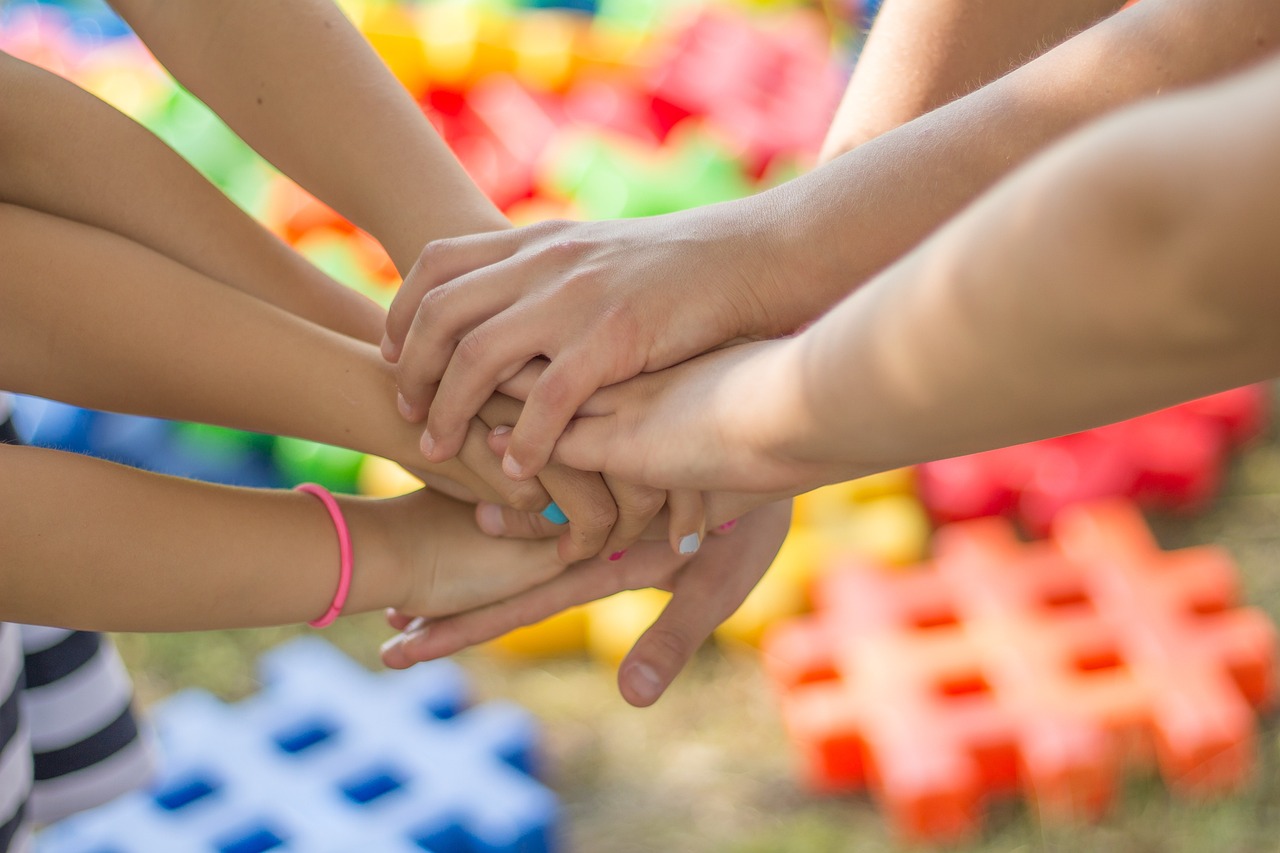

The Importance of Regular Practice in Team Sports for Children
Engaging children in team sports provides not just physical activity but also cultivates essential life skills. Regular practice in team sports has transformational effects on children’s development. It fosters teamwork, discipline, and time management. Children learn to collaborate with peers, which improves their social skills. Additionally, through consistent practice, their physical fitness significantly increases. Regular participation also boosts self-esteem as children achieve their goals. They learn the importance of consistently working towards improvement. Moreover, it inculcates a sense of belonging and encourages lifelong friendships. Team sports teach kids how to handle both victories and defeats gracefully, preparing them for future challenges. As children face competition, practice helps them understand the value of effort and perseverance. Creating these moments allows the youth to thrive both on and off the field, ultimately impacting their overall growth. It’s crucial for parents and coaches to emphasize regular practice, ensuring children can gain all benefits from these activities. This engagement goes beyond winning games; it shapes well-rounded, resilient individuals who can succeed in various aspects of life.
Moreover, the benefits of regular practice extend beyond the immediate physical fitness advantages. With structured routines in practice sessions, children develop a strong sense of responsibility. They learn the importance of showing up and being committed to a group. This habitual participation fosters discipline in children, which they can transfer to their academic life. Regular sports can also improve cognitive function, helping children concentrate better in school. Research shows kids involved in team sports tend to have improved grades, due partly to the self-control they develop. Additionally, practices create an environment of accountability. Children realize they must work hard to earn their place on a team. Team sports often have specific roles, allowing children to explore their strengths and weaknesses within a collaborative setting. Furthermore, practicing in a team often results in physical challenges too. As children push their limits, they gain resilience and a better understanding of personal fitness. Parents should encourage their kids to embrace these practices as foundational learning experiences, not just sport-related. The habit of regular training lays the groundwork for future personal and professional opportunities.
Building Lasting Relationships
Another significant aspect of regular practice in team sports is the opportunity it offers for socialization. Children from different backgrounds come together, forging friendships that can last a lifetime. These relationships often serve as a support system, helping kids feel celebrated and accepted. Engaging in team activities encourages communication and collaboration. They learn to articulate thoughts clearly and listen to others, skills that are invaluable in their overall development. Beyond friendships, kids develop a sense of camaraderie with teammates. This closeness fosters trust and encourages them to support each other emotionally. Therefore, regular practice does not merely contribute to sports skills; it forms the building blocks of lifelong interpersonal skills. It enhances empathy and understanding, critical traits for future leaders. Fun team drills promote cooperation, establish conflict resolution strategies, and enable strong networks among peers. The practice not only readies them for competition but teaches them how to work collectively towards common goals. As they navigate challenges together, children cultivate lifelong social skills that are essential in both personal and professional landscapes.
Furthermore, regular practice in team sports enhances a child’s physical abilities, making them more agile, strong, and coordinated. These improvements can contribute to a healthier lifestyle as they learn to appreciate fitness and physical activity. Engaging in systematic training routines nurtures fitness habits that can last into adulthood. This engagement also raises awareness about healthy competition. Children learn how to respect opponents while striving to be their best. Through practice, they gauge progress, learning that success often requires hard work and dedication. Additionally, training sessions serve to instill nutrition awareness. Coaches frequently discuss healthy eating habits, emphasizing the importance of fuel for athletic performance. Consequently, children develop a more balanced relationship with food. As awareness grows, they become role models for their peers and siblings, sharing insights into nutrition. This creates a ripple effect, encouraging healthier choices amongst their friends and family. Through practice, children build a lifestyle that promotes fitness, health, and well-being, ultimately influencing their communities positively. Regular attendance transforms mere interest in sports into an enduring commitment to health and fitness.
The Role of Coaches
Coaches play a vital role in instilling the importance of regular practice in young athletes. They are not only responsible for developing skills but also for nurturing a love for the game. Quality coaching emphasizes practice as integral to success. Coaches guide children in setting goals and create tailored training plans suited to their individual needs. They also facilitate skilled instruction that enables participants to understand the mechanics of their respective sports. Moreover, having positive role models is crucial, as coaches inspire discipline while making practices engaging and fun. They cultivate an environment where mistakes are viewed as learning opportunities, encouraging children to persist even when challenged. Coaches must communicate the significance of attendance and a strong work ethic, augmenting the team’s chemistry. As children witness their coaches’ passion and commitment, they are more likely to adopt similar attitudes. Coaches also reinforce the values of fair play and respect, which children carry forward beyond the field. Strong coaching relationships build trust, enabling a focus on improvement and fostering a clear understanding of practice’s significance in achieving personal and athletic goals.
Ultimately, the significance of regular practice in team sports aids children in developing essential life skills that continue into adulthood. As children participate, resilience becomes a core value; they learn to bounce back from setbacks. This characteristic adaptability is invaluable in all life’s aspects. The collaboration experienced during practices encourages leadership skills, as sometimes children need to step up and guide their peers. Understanding different roles within a team allows for skill diversification. As children practice together, they develop unique strengths, learning to appreciate various contributions to success. Moreover, the confidence gained through regular participation empowers them to face unforeseen challenges ahead. Consistent practice becomes a pathway to self-discovery. As children grow, they cultivate determination, focus, and a growth mindset, which ultimately benefit their academic pursuits. Practicing teamwork enhances interpersonal relationships, making them better communicators. Observing how others succeed fosters empathy, and forward-thinking, ensuring they contribute positively to community development. As these children transition into adults, they carry forward the enriching experiences and valuable lessons learned through practice in team sports.
Conclusion
In conclusion, parents and caregivers should prioritize encouraging regular participation in team sports from a young age. These avenues for physical activity and social engagement provide myriad benefits that extend beyond the field. As children engage in regular practice, they cultivate valuable life skills that prepare them for future challenges. The lessons learned in sports—teamwork, resilience, and commitment—translate into their academic pursuits and professional lives. The friendships formed during practices can last long after the games have ended, reinforcing the social aspect of childhood development. As practices become part of a child’s routine, they instill healthy habits that last a lifetime. Parents can play an essential role by supporting attendance and actively commitment to regular practice, which maximizes these benefits. Creating a culture that values sports participation leads to healthier lifestyles among family and community members. Ultimately, the importance of regular practice in team sports is immense, shaping well-rounded individuals equipped to navigate life’s challenges successfully. By investing time in team sports, families ensure their children grow up to be healthy, capable, and socially adept individuals.