
Photography Tips for Capturing Sledding Action Shots
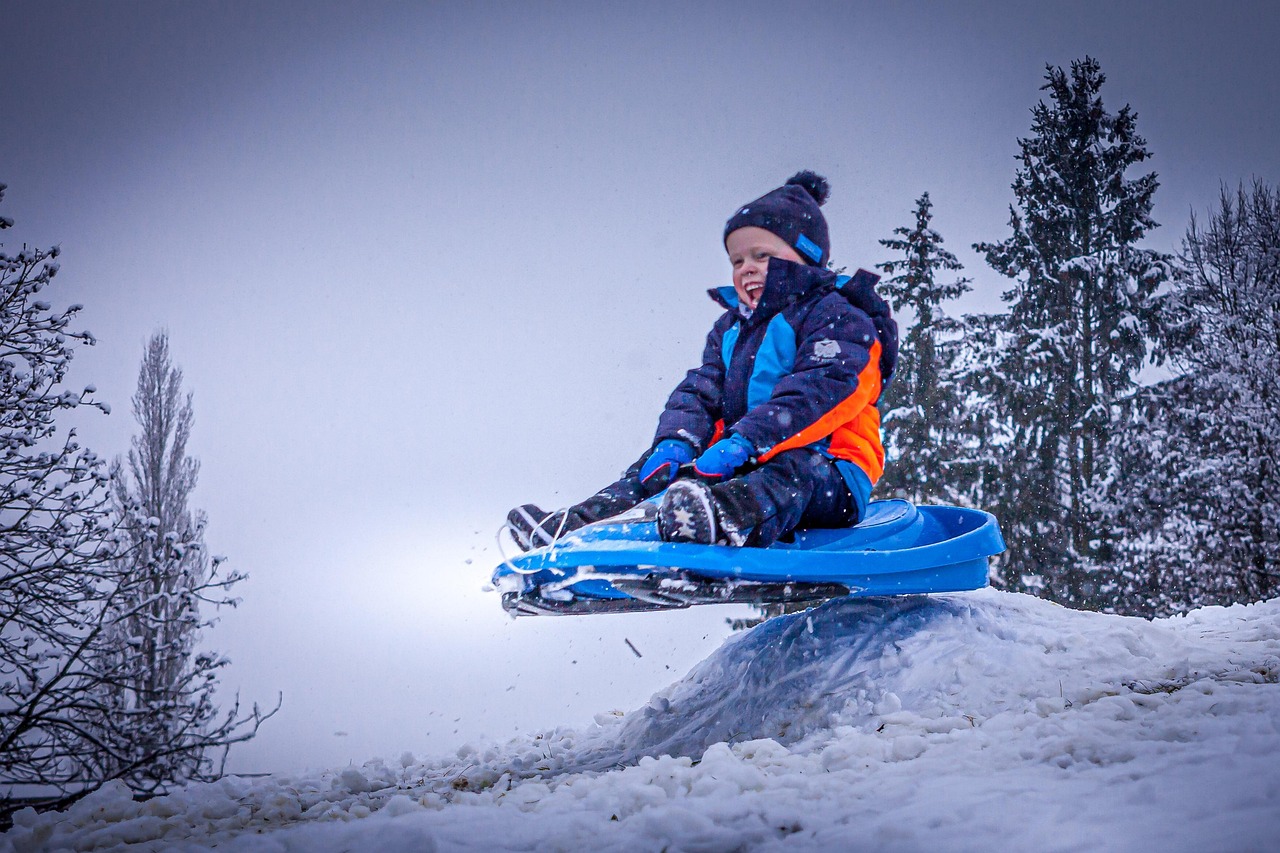
Sledding and tobogganing are some of the most exhilarating winter sports, capturing thrilling moments of speed and joy. To effectively photograph these activities, understanding your camera settings is crucial. Begin by setting your camera to a fast shutter speed of at least 1/500 seconds or faster, which freezes action and minimizes motion blur during high-speed descents. Additionally, consider shooting in burst mode to capture rapid sequences, ensuring you don’t miss any crucial moments. Choosing a location with a clear line of sight to the sledders guarantees unobstructed shots and impressive compositions. Make sure to pay attention to your background, which should be clean and free from distractions, creating a more impactful image of the sledding action. Position yourself at an angle as sledders approach to showcase their speed and excitement. Using a wide-angle lens can draw viewers in, while a telephoto lens allows for closer perspectives, capturing expressions and details. Finally, don’t forget about the importance of lighting. Outdoor daylight during the golden hour provides the most flattering illumination, amplifying the joy of winter fun.
When planning your sledding photoshoot, it is essential to think about the equipment you’ll be using. A DSLR or mirrorless camera with a good zoom lens will yield high-quality results. Fixed aperture lenses allow more light, performing better in various winter light conditions. Ensure your camera is weather-sealed to protect it against the elements, like snow or moisture. Pairing your camera with sturdy, comfortable gear enhances your mobility, allowing you to easily move to capture different angles and perspectives. Lightweight tripods are also great for stability when shooting in variable light conditions. Experiment with different orientations when framing your shots. For instance, capturing vertical images gives a unique perspective on the verticality of the hill. Furthermore, consider how the sledders are positioned or performing tricks during the runs for more engaging compositions. Including the sledder’s expression, especially at the moment of excitement, can further heighten the emotional connection with the viewer. Carefully monitoring focus points at high speeds is invaluable—practice reaction time and pre-focus on specific spots, enabling quicker, sharper shots as they pass through.
Timing is everything in sledding photography. To capture the essence of motion, analyze the sledders’ speeds and predictable paths. Take time to watch the sledders before shooting to determine the right moment for pressing the shutter button. Anticipate the actions of the participants; this allows you to be prepared for jumps and tricks that add drama to your images. It is also a good idea to utilize the natural momentum created by movements. Ensure your body is positioned strategically to aid in this process—angle slightly forward while standing to keep your eyes on the subject. This stance will also assist in quickly pivoting to capture various emotions and actions. Try capturing sledding from different perspectives; below or at the same level as the sledders offers a unique view. Wide shots reveal the environment emphasizing the sledding landscape while close-ups capture individual expressions. Each shot tells a story; by varying your angles, you’ll find different ways to represent the thrill. Additionally, consider using props or capturing candid moments between runs to show the full scope of sledding fun and friendship among participants.
Editing Your Sledding Photos
After successfully capturing the action shots at the sledding hill, it’s time to enhance them with editing software. Programs like Adobe Lightroom or Photoshop provide powerful tools for effectively enhancing your images. Start by adjusting exposure and contrast to bring out details in shadows and highlights of the snow. Pay attention to color accuracy, ensuring the vividness of the sledder’s gear pops against the white of the snow. Cropping is another vital step, focusing on your subjects and eliminating unnecessary distractions. Ensure the composition maintains balance while adhering to the rule of thirds to create visually appealing images. Use sharpening tools to enhance the focus on key elements, like the sledder’s face or the sled itself. Additionally, leveraging filters can add a creative touch while preserving the integrity of the shot, drawing viewers to the emotions within the action. It’s always wise to maintain an authentic representation of your subject and the experience; enhancing key features while avoiding over-editing can result in memorable photos. Archive your best shots for future reference, as they may serve as excellent materials for portfolios or unique gifts.
Sharing your sledding photography online is an excellent way to showcase your skills and enthusiasm for this wintry pastime. Platforms such as Instagram, Facebook, and photography-specific sites like 500px grant exposure to your work. Use relevant hashtags, like #SleddingPhotography or #WinterSports, to help your images reach audiences that share similar interests. Engaging with your audience through comments and feedback can help inform your future photography endeavors as well. Creating an online portfolio or blog dedicated to winter sports photography allows you to present your experiences and expertise to a broader audience. Providing tutorials, guides, or behind-the-scenes insights about your adventures will attract visitors and foster community interaction. Consider submitting your work to local magazines or blogs focused on winter activities, which offers a solid platform for generating interest in your photography skills. Networking with fellow enthusiasts and professionals can lead to collaborative projects and additional learning opportunities. Attend workshops or participate in local photography competitions dedicated to winter sports; these experiences not only enhance skills but also provide further exposure and networking. Bringing your artistic vision to life requires shared experiences among like-minded individuals.
Safety Considerations While Shooting
When shooting sledding action shots, safety is paramount for both the photographer and the sledders. Always remain aware of your surroundings and potential hazards on the sledding hill. Avoid standing right at the bottom of the slope, which could lead to accidents with incoming sledders. Identify safe zones from where to capture action while remaining out of harm’s way. Additionally, ensure you do not obstruct the sledding path; this includes checking your gear and ensuring that your tripod or bags are secured. It is wise to communicate with sledders before shooting; they appreciate knowing where you are positioned to avoid collisions. Wearing proper clothing is also vital; winter environments can be harsh, so layers that keep you warm yet allow freedom of movement are essential for comfortable shooting. Investing in insulated boots and gloves ensures your hands and feet stay functional, enabling you to shoot for longer durations effectively. Always have a first-aid kit nearby, as minor accidents can happen despite careful planning. Reassess your approach continuously based on changing weather conditions to ensure an enjoyable and safe shooting experience.
In conclusion, photographing sledding and tobogganing events requires technique, patience, and preparation. Establish a solid foundation with your equipment, learning how to use various settings effectively with attention to composition and lighting. Timing and anticipating actions can significantly enhance your shots, capturing the heart of the sledding thrill. Editing plays a crucial role in the post-production stage, ensuring your photographs stand out. Also, an understanding of safety precautions will guarantee a successful and enjoyable photography experience in winter sports. Don’t hesitate to share your passion with peers and connect with the photography community online. By engaging with others, you further develop your skills and knowledge while fostering a sense of camaraderie among enthusiasts. As you explore more about this genre of photography, remember to blend your personal style, creating a distinctive approach that reflects your love for winter sports. Over time, capturing sledding will progress from just a fun hobby to an expressive art form that captures unforgettable memories for everyone involved. Happy shooting, and may your sledding photography journey be thrilling and full of adventure!
Sledding and tobogganing are some of the most exhilarating winter sports, capturing thrilling moments of speed and joy. To effectively photograph these activities, understanding your camera settings is crucial. Begin by setting your camera to a fast shutter speed of at least 1/500 seconds or faster, which freezes action and minimizes motion blur during high-speed descents. Additionally, consider shooting in burst mode to capture rapid sequences, ensuring you don’t miss any crucial moments. Choosing a location with a clear line of sight to the sledders guarantees unobstructed shots and impressive compositions. Make sure to pay attention to your background, which should be clean and free from distractions, creating a more impactful image of the sledding action. Position yourself at an angle as sledders approach to showcase their speed and excitement. Using a wide-angle lens can draw viewers in, while a telephoto lens allows for closer perspectives, capturing expressions and details. Finally, don’t forget about the importance of lighting. Outdoor daylight during the golden hour provides the most flattering illumination, amplifying the joy of winter fun.