
Essential Skills for OCR Coaches
Obstacle Course Racing (OCR) has rapidly become a popular sport, requiring unique coaching techniques. To be an effective OCR coach, one must understand the multifaceted skills athletes need. This includes developing strength, endurance, and agility, as well as mental toughness. Moreover, a coach’s ability to identify a learner’s strengths and weaknesses plays a critical role in optimizing performance. Besides physical training, coaches should create well-structured training programs. This can involve tailoring workouts to individual needs, ensuring a variety of challenges and obstacles. Safety must also be a priority during training; hence, knowledge of injury prevention is crucial. Keeping participants motivated and engaged is another essential skill for OCR coaches. Coaches should develop strategies to maintain enthusiasm, including incorporating exciting games and competitions. Furthermore, technical knowledge, such as understanding proper techniques for various obstacles, like climbing, crawling, and jumping, is imperative. A comprehensive coaching philosophy blends these elements while promoting fitness, fun, and community spirit. With these skills, a coach can significantly influence their athletes’ development and success in OCR events.
Effective communication skills are paramount for successful coaching in OCR. As a coach, articulating feedback clearly and motivating athletes through effective dialogue can improve performance significantly. Additionally, encouraging open lines of communication creates a supportive environment where athletes feel comfortable. Moreover, coaches must be adept at listening to their athletes’ concerns and ideas. This two-way communication fosters trust and helps athletes understand their goals. A skilled coach also needs to be adaptable. Each athlete is unique, so being flexible allows coaches to modify their approach based on individual needs and circumstances. Moreover, it’s essential for coaches to stay informed about the latest trends and techniques in OCR. Engaging in continuous education, attending workshops, and networking within the community can benefit a coach’s effectiveness. Furthermore, utilizing technology in training can yield significant results. Coaches can integrate video analysis to break down techniques and provide visual feedback to athletes. This approach aids in understanding and correcting forms while motivating athletes through their progress. Such innovations demonstrate a commitment to developing a well-rounded and effective coaching strategy.
Building a Strong Community
Community plays a vital role in the world of OCR, and coaches should strive to foster a strong sense of belonging among their athletes. A cohesive group can enhance motivation, encourage camaraderie, and improve training outcomes. Coaches can facilitate this by organizing group workouts and team-building activities, which strengthen bonds among participants. Furthermore, coaches can promote inclusivity by welcoming people from diverse backgrounds and fitness levels. Emphasizing teamwork can help athletes learn valuable lessons about collaboration and supporting one another in achieving shared goals. Additionally, creating a culture of encouragement propels athletes to push their limits and reach new heights. Coaches should recognize and celebrate individual achievements, thereby enhancing self-esteem within the community. Maintaining open communication with athletes enables coaches to address concerns and build lasting relationships. Utilizing social media can also amplify community bonds by allowing members to share achievements and training tips. Emphasizing the importance of community in OCR helps foster a positive atmosphere, which ultimately contributes to athletes’ success and enjoyment of the sport. Standing united, participants can take on challenges and celebrate their accomplishments together.
Nutrition is another essential aspect of OCR coaching that should not be overlooked. Coaches must encourage their athletes to understand the significance of proper nutrition in supporting their training and recovery. This includes teaching about macronutrients, hydration, and pre- and post-race meals. A well-nourished body can enhance performance and reduce the risk of injuries and fatigue. Coaches should collaborate with nutritionists to develop tailored meal plans based on individual needs and preferences. Moreover, promoting healthy eating habits fosters a lasting lifestyle change that benefits athletes in and out of the sport. Additionally, emphasizing the importance of hydration cannot be understated, especially during intense training or races. Coaches must remind athletes to drink water consistently before, during, and after workouts. Educating athletes on the signs of dehydration can further emphasize the importance of proper hydration practices. Lastly, encouraging athletes to track their meals and hydration can help cultivate awareness and accountability. With the right nutritional guidance and support, OCR participants can achieve their performance goals while maintaining optimal health throughout their training journey.
Physical Training Techniques
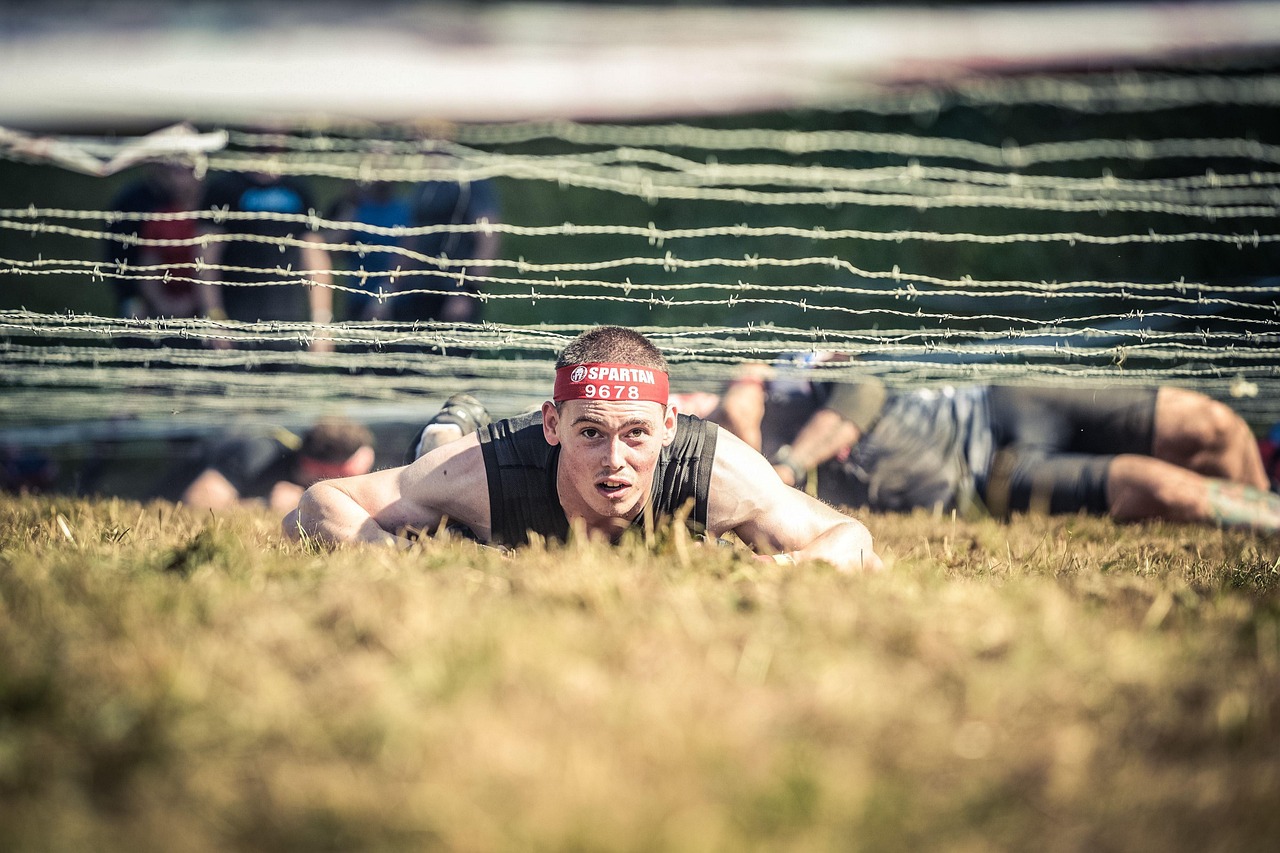
In order to optimize athletic performance in OCR, coaches must implement a variety of physical training techniques. A well-rounded program should incorporate strength training, cardiovascular conditioning, and obstacle-specific skills. Each segment of the training should be tailored to the unique demands that OCR competitions present. Strength training involves utilizing bodyweight exercises, resistance bands, and weights to improve overall strength and power. Coaches should emphasize functional movements that mirror the obstacles found in races, such as lifting, jumping, and carrying. Additionally, cardiovascular conditioning plays a pivotal role in preparing athletes for the endurance required during long races. Incorporating interval training and distance running can improve aerobic capacity and recovery. As athletes build their fitness base, obstacle-specific drills should be introduced to enhance technical skills. These drills can include climbing walls, crawling through mud, and navigating balance beams. Furthermore, incorporating flexibility and mobility work can reduce the risk of injuries and improve overall performance. Ultimately, a comprehensive training approach that balances these components will prepare athletes for OCR challenges and enhance their likelihood of success.
Another crucial aspect of OCR coaching is developing mental toughness among athletes. Coaches can nurture this by incorporating strategies that help participants manage stress, cultivate focus, and develop resilience. Mental toughness is key to overcoming obstacles, both physical and psychological, during races. Coaches should introduce techniques such as visualization, positive self-talk, and mindfulness practices. Teaching athletes to visualize themselves successfully completing obstacles can significantly enhance their confidence and performance. Additionally, encouraging positive self-talk during training allows participants to frame challenges as opportunities for growth. Developing resilience is equally vital, as athletes face setbacks and failures during their journeys. Coaches can simulate race conditions and challenges in training to prepare athletes for the mental demands they will encounter. Consequently, equipping athletes with coping mechanisms fosters a better response to pressure and setbacks. By instilling these mental skills, coaches can help build a strong foundation for their athletes’ performance in OCR events. Furthermore, embracing a growth mindset allows participants to approach challenges with confidence and tenacity, essential qualities for success in this exhilarating sport.
Conclusion and Future Directions
As the field of OCR coaching continues to evolve, it’s essential for coaches to keep up with the latest trends and innovations. By embracing new training techniques, tools, and technologies, coaches can enhance the overall training experience for their athletes. Opportunities for collaboration with other professionals, such as physical therapists, sports psychologists, and nutritionists, can further enrich an athlete’s development. Networking with other OCR coaches can also provide insights into effective strategies while fostering a sense of community among professionals. Additionally, coaches should be prepared to modify their programs according to emerging research and feedback from athletes. Tracking training data and performance metrics can help identify areas of improvement for both the coach and athlete. Understanding the importance of recovery and injury prevention will lead to better long-term outcomes for athletes. In conclusion, by focusing on skill development, community building, nutrition, and mental toughness, OCR coaches can lay a solid foundation for their athletes’ success. With commitment and passion, they can significantly impact the growth of Obstacle Course Racing and inspire the next generation of OCR enthusiasts.