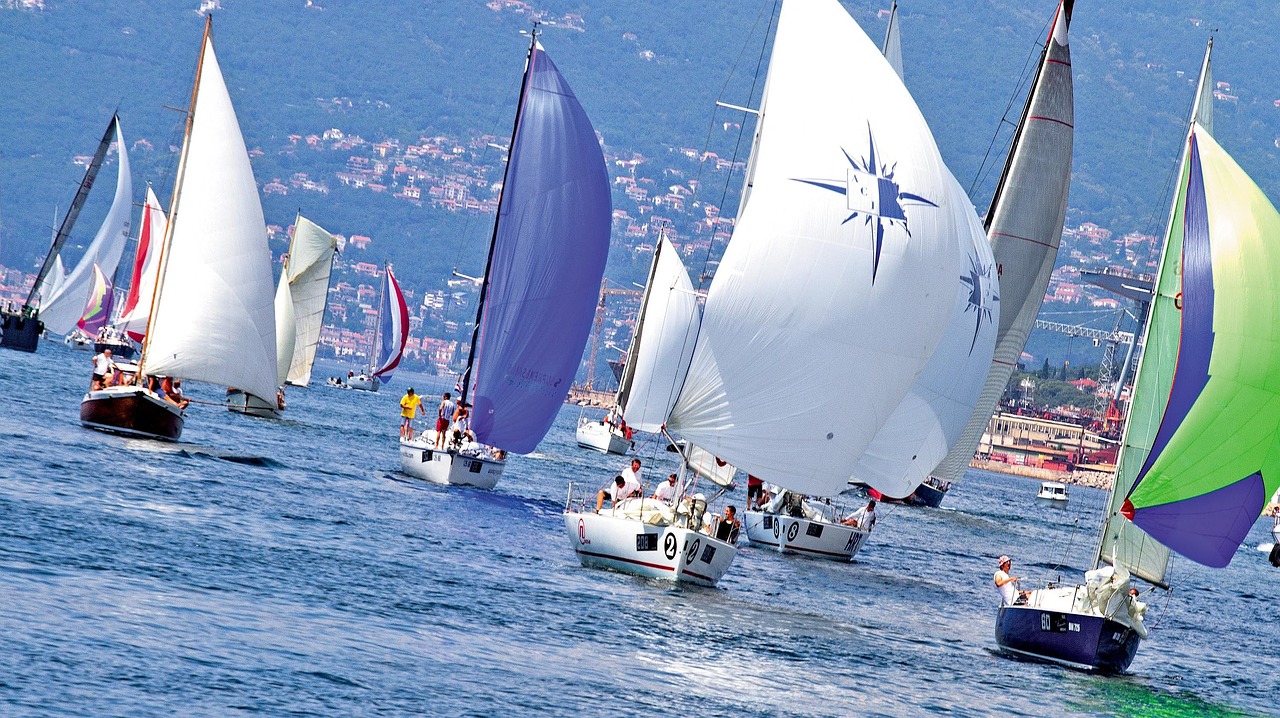

Understanding Race Planning in Sailing
Race planning is an essential skill for sailors participating in competitions. It involves strategizing on various elements that affect performance on water. Developing effective race plans requires a deep understanding of weather conditions, tides, and course layouts. Sailors must become familiar with how different factors can influence their speed and positioning. A strong race plan takes into account the capabilities of the vessel and the crew. Each race offers its unique challenges that must be anticipated for success. Additionally, analyzing past races can provide valuable insights into effective strategies. By breaking down previous performances, sailors can identify strengths and weaknesses that impact outcomes. Utilizing these insights leads to better preparation and adaptability. Sailors are encouraged to maintain a flexible mindset, ready to modify their strategies based on evolving conditions. Good race planning can determine the difference between winning and losing, making it a crucial focus in sailing coaching. Utilizing tools like performance charts and navigation aids can enhance this process significantly. Ultimately, a structured approach to race planning can enhance a sailor’s competitiveness, positioning them favorably during races by ensuring preparedness for any encountered hurdles.
Key Components of a Strong Race Plan
There are several key components that should be included in a strong race plan for sailing. Firstly, understanding the weather conditions is paramount; this includes wind direction, speed, and forecast changes. Sailors must learn to interpret various forecasts and how to react accordingly. Secondly, analyzing the course layout, including marks and potential obstacles, is critical. Developing strategies for each leg of the race ensures that sailors know their approach before the race begins. Thirdly, an assessment of competitor tendencies can provide tactical advantages. Observing other competitors’ strategies can inform decisions on positioning and course tactics during the race. Furthermore, contingency plans should be developed for unforeseen circumstances, such as sudden weather changes or tactical errors. Finally, incorporating crew roles into the race plan establishes clarity in execution. Defining responsibilities ensures that each crew member knows their tasks, streamlining communication on the water. To summarize, a successful race plan in sailing involves a deep understanding of multiple factors and creates an adaptive strategy capable of responding to changing conditions while maximizing the performance of the vessel and crew.
Race Planning Techniques and Tools
Utilizing various techniques and tools can significantly enhance race planning and execution in sailing. Sailors are increasingly relying on technology, such as sail charts and wind apps, to facilitate informed decisions. Analyzing race data from previous events and using performance tracking software can help sailors develop their strategies. Moreover, communication devices have become essential, allowing teams to share information during competitions. Weather apps that provide real-time updates help sailors make crucial decisions on the water, ensuring they adjust their plans dynamically. Other tools include traditional methods, such as grid charts, where sailors can lay out their strategies visually. Training sessions on land that simulate race conditions can also assist in refining these skills. Furthermore, post-race debriefs enable teams to analyze what worked well and what didn’t, leading to continuous improvement for future races. Developing a routine in preparation and analysis ensures that all team members stay aligned in their objectives, maximizing their performance during races. Continuously honing these techniques and adapting tools will contribute to successful sailing outcomes and help build a competitive mindset.
Setting Goals and Expectations in Racing
Establishing clear goals and expectations is a vital step in developing effective race planning skills. In sailing, goals encompass various aspects, including performance targets, team dynamics, and individual objectives. These goals should be realistic yet challenging, pushing the team to strive for excellence. It is essential to communicate these goals effectively to all crew members for cohesive efforts. Moreover, setting expectations regarding participation, training frequency, and teamwork fosters a committed and motivated environment. Recognizing achievements and milestones along the way reinforces positive behaviors and strengthens team bonds. Creating a timeline for pursuing these goals enhances accountability and allows for adjustments based on progress. Additionally, adopting a growth mindset is crucial for dealing with setbacks. By viewing challenges as opportunities for improvement, sailors can develop resilience. Regular reflection on both successes and failures provides learning opportunities that refine race strategies. Building a culture of open feedback enables sailors to learn from one another, enhancing overall performance. Ultimately, establishing clear goals and expectations sets the foundation for purposeful training and focused racing, driving individuals and teams towards success.
Improving Communication among Crew Members
Effective communication is a cornerstone of successful race planning and execution in sailing. Navigating a course requires seamless interaction among crew members to ensure everyone understands their roles. Establishing communication protocols before races helps in minimizing misunderstandings. Regular practice sessions enable the crew to become familiar with terminology and signals they will use on the water. During races, clear and concise communication is necessary, especially in high-pressure situations. Crew members should be trained to provide immediate feedback to one another, enhancing coordination as they sail. Facilitating discussions post-race also promotes team learning, as members share observations about their performance. Utilizing communication devices, such as headsets or radios, can further improve interactions on competitive courses. Implementing a variety of communication methods strengthens team dynamics, accommodating different styles and preferences. Keeping the crew engaged in decision-making fosters a sense of ownership and accountability. It also cultivates trust within the team, improving performance under the stress of racing conditions. Therefore, actively nurturing communication skills contributes significantly to the effectiveness of race plans and can lead to improved outcomes in competition.
Adapting Strategies During Races
Being adaptable is a key factor in successful race planning for sailors. As conditions change, the ability to adjust strategies is crucial for achieving optimal performance. Sailors must be observant and responsive to alterations in wind speed and direction, ensuring they make timely sail trim adjustments. Moreover, anticipating how other competitors are likely to react creates opportunities to capitalize on their decisions. During races, sailors should evaluate their current strategy based on real-time observations, allowing for course corrections as necessary. Utilizing pre-established contingency plans can streamline the decision-making process amid sudden changes. It can also reduce reaction times, leading to swift adaptations. Furthermore, continually engaging with the crew fosters an environment where everyone feels confident to suggest adjustments. Regular practice under varying conditions enhances the crew’s ability to remain flexible during races. Additionally, reflecting on previous races and identifying where adaptability was successful allows for better preparation in future competitions. Embracing a mindset that welcomes change can significantly affect overall race outcomes and encourages a proactive rather than reactive approach. Therefore, adaptability is essential for sailors looking to excel in their racing experiences.
Continuous Learning and Development in Sailing
The importance of continuous learning and development cannot be overstated in sailing race planning. Sailing is an ever-evolving sport, where new techniques and technologies emerge regularly. Engaging in workshops and seminars about race tactics can broaden sailors’ perspectives on effective strategies. Furthermore, participating in races with experienced sailors provides invaluable firsthand knowledge that can accelerate learning. Reading sailing literature and research studies also offers insights into methods that have been successful across varying conditions and contexts. Additionally, setting up mentorship programs allows novice sailors to learn from seasoned professionals. By fostering a culture of growth within teams, sailors can stay enlightened about best practices and innovations within the sport. Reflecting on previous races enhances understanding, leading to improved strategies. Creating an archive of lessons learned serves as a resource for future references. Innovative training techniques, such as virtual reality simulations, are also emerging as tools to prepare sailors for different racing scenarios. Ultimately, committing to ongoing development leads to a deeper mastery of sailing and race planning, helping individuals perform better and achieve their competitive goals.
Conclusion and Future Perspectives
In conclusion, mastering strategic race planning skills is vital for sailors aiming for success in competitions. By understanding the numerous components involved in developing effective race plans, sailors enhance their performance significantly. Utilizing analytical tools, setting clear objectives, and fostering communication among crew members are critical aspects contributing to success. Furthermore, being adaptable during races enables sailors to respond effectively to changing conditions. Engaging in continuous learning and development ensures that sailors remain on the cutting edge of competitive sailing, allowing them to refine their skills and strategies constantly. By prioritizing these elements in their preparation, sailors can look forward to improved outcomes in future races. Indeed, successful race planning combines individual focus with team effort, emphasizing the importance of collaboration in sailing. Every racing experience serves as a stepping stone toward greater understanding and success in the sport. The future of racing in sailing promises to be exciting, with opportunities to innovate and enhance traditional strategies continually evolving in a competitive environment. Therefore, sailors must stay committed to improving their planning skills, ensuring they can navigate any challenges that arise in racing.