
How Cross-Training Improves Endurance for Swimmers
Cross-training is a vital component for enhancing a swimmer’s endurance. It integrates various workout styles to supplement swimming, thereby addressing different muscle groups. As swimmers seek to improve their overall performance, diversifying their training regimen becomes essential. Engaging in activities such as running, cycling, or strength training can lead to better aerobic capacity and increased stamina. Cross-training specifically targets the muscles that swimmers rely on, which can help prevent injuries through balanced muscle development. Swimmers frequently focus on their primary sport, risking overuse injuries from repetitive strokes. Including diverse exercises allows them to strengthen supporting muscles and improve their core stability. This approach not only enhances endurance but boosts overall fitness levels. Such cross-training also keeps workouts fresh, reducing mental fatigue associated with a monotonous swimming routine. By incorporating variety, swimmers can cultivate a more positive training environment. Additionally, engaging in other sports can foster mental resilience, an essential trait for competitive swimmers. Thus, cross-training plays a crucial role in a swimmer’s journey to excel by improving not merely strength, but also endurance and psychological fortitude, allowing athletes to perform at their best during competitions.
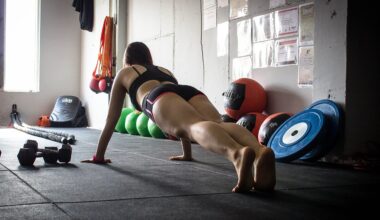
To effectively integrate cross-training into a swimmer’s regimen, a structured plan is necessary. First, evaluating current skills and fitness levels allows swimmers to select appropriate activities that complement their swimming goals. Incorporating aerobic exercises such as cycling and running can build cardiovascular endurance, critical for sustaining energy during races. Furthermore, swimmers should focus on strength training, as it enhances muscle power and contributes to swimming speed. Incorporating resistance exercises, such as weightlifting or using resistance bands, can increase strength in the upper body and core. An effective strength training program might include push-ups, squats, and planks, all beneficial for swimmers. Implementing flexibility and balance exercises, such as yoga or Pilates, can improve range of motion and help prevent injuries. Additionally, ensuring proper recovery time is crucial, allowing muscles to repair and grow stronger. Creating a balanced weekly routine by mixing swimming sessions with cross-training activities enables swimmers to optimize performance. Cross-training not only keeps workouts interesting but also enhances overall physical capabilities, making it an essential strategy. Therefore, a comprehensive approach to cross-training significantly aids swimmers in developing endurance and achieving their training objectives. Consistency plays a vital role in realizing these benefits.
The Role of Aerobic Exercises
Aerobic exercises are fundamental components of cross-training for swimmers, as these workouts significantly boost cardiovascular endurance. When swimmers engage in activities such as jogging or cycling, they can enhance their lung capacity and oxygen consumption. Increased oxygen delivery is crucial for sustaining high-performance swimming over longer distances. Aerobic activities promote efficient fat utilization during training, which is beneficial when swimming long races and reducing reliance on carbohydrates. This metabolic efficiency enables swimmers to conserve energy for sprinting and finishing races strongly. Moreover, aerobic exercises can also aid in weight management, improving body composition, which can directly influence swim performance. As swimmers develop their aerobic base, they can train at higher intensities without fatigue setting in prematurely. Incorporating a variety of aerobic workouts counters the monotony of solely swimming, making training more stimulating. Additionally, this variety minimizes burnout and develops a well-rounded athlete, crucial for competitive environments. Engaging in high-intensity interval training (HIIT) within aerobic sessions can push cardiovascular limits further, allowing swimmers to build both endurance and explosive power. Aerobic exercises form a strong foundation in any swimmer’s cross-training program, contributing significantly to their overall performance.
Strength training is another critical element of cross-training that plays a significant role in enhancing swimming endurance. By incorporating strength workouts, swimmers develop the muscle power necessary for explosive starts and finishes. Targeting key muscle groups used in swimming, including the back, shoulders, and core, helps swimmers be more efficient in their strokes. Exercises such as pull-ups, deadlifts, and bench presses can improve overall strength, leading to better propulsion in the water. Additionally, stronger core muscles provide better stability and body positioning while swimming, reducing drag. To maximize benefits, swimmers should incorporate both upper and lower body workouts. Integrating plyometric exercises, like box jumps, offers explosive power development, vital during starts and turns. Training programs should progressively increase in intensity to continue challenging the muscles. Furthermore, strength training promotes healthier joints and connective tissues, reducing injury risks common in swimmers. By balancing swimming with strength training, athletes can sustain longer training sessions and recover faster. Thus, the incorporation of strength-focused cross-training enhances muscular endurance, vital for competitive swim scenarios. To achieve optimal results, swimmers should ensure that strength training complements their swimming schedules for synergistic gains.
Benefits of Flexibility and Core Training
Flexibility and core training are essential aspects of a comprehensive cross-training regimen for swimmers. Improved flexibility allows swimmers to perform strokes with a greater range of motion, leading to more efficient and effective swimming techniques. Regular stretching routines can enhance muscle elasticity and overall joint health, crucial for maintaining optimal performance. Swimmers often experience tightness in their shoulders and hips, which can hinder their technique and efficiency in the water. Therefore, incorporating dynamic stretching pre-workout and static stretching post-workout helps alleviate these issues. Core training, on the other hand, strengthens the muscles that stabilize the torso during swimming. A strong core provides better body alignment, promoting streamlined movement and reducing drag in the water. Exercises such as planks, Russian twists, and leg raises can enhance core strength significantly. Moreover, a robust core helps swimmers maintain balance and control, especially during turns and starts. Together, flexibility and core training contribute to longevity and health in swimming careers. By maintaining flexibility and core strength through cross-training, swimmers can realize improved performance, decreased injury rates, and increased endurance. Prioritizing these areas is crucial for peak athletic performance in competitive swimming.
Cross-training can also improve a swimmer’s mental resilience, a vital attribute for competitive success. Mental endurance plays a critical role in withstanding the rigors of training and competitions. When diversifying their routines, swimmers face new challenges, pushing them to adapt and grow. Learning new skills and achieving varied fitness goals can boost confidence. Participating in different sports also teaches valuable life lessons about focus, determination, and overcoming obstacles. The mental strategies honed through cross-training can benefit swimmers during races. Visualization techniques, developed in different sporting environments, can enhance a swimmer’s performance under pressure. Building mental resilience through cross-training provides swimmers with better coping mechanisms for both the physical and psychological demands of their sport. Additionally, social engagement through group workouts or team sports fosters motivation and commitment. Finding workout partners or participating in clubs allows for shared experiences and ideas, creating supportive communities. This element can transform the training process from a solitary endeavor into a communal one. Overall, enhancing mental toughness through cross-training magnifies a swimmer’s performance capacity in competition. Mental resilience, developed through diverse training, characterizes successful swimmers who excel under pressure.
Integrating Cross-Training into a Routine
To successfully incorporate cross-training into a swimmer’s routine, consistency and organization are key. A well-structured program enables athletes to balance swim training with complementary workouts effectively. Establishing a weekly schedule that allocates specific days or sessions for cross-training can optimize results. For instance, swimmers might alternate between swimming and cross-training activities throughout the week, ensuring that both aspects are sufficiently addressed. Flexibility in scheduling can also accommodate rest days, allowing for recovery while maintaining engagement. Swimmers should listen to their bodies, adjusting intensity and frequency as necessary to avoid burnout. Furthermore, setting clear goals for each training segment can enhance motivation and accountability. It’s essential to track progress over time through logs or apps, allowing swimmers to see tangible improvements. Coaches and trainers can provide valuable insights on progress and help adjust workouts as needed for maximum efficiency. Engaging in workshops, clinics, or community events can also serve to enrich one’s cross-training experience, providing new tips and methods. Overall, thoughtful integration of cross-training into a swimmer’s regimen leads to measurable improvements not only in endurance but also in overall athletic performance.
In summary, cross-training is instrumental in enhancing a swimmer’s endurance. By diversifying training through various activities, swimmers can improve cardiovascular health, strength, flexibility, and mental resilience. Aerobic exercises build endurance, allowing athletes to swim longer distances without fatigue. Strength training, meanwhile, contributes to muscle power and overall body stability. Flexibility and core workouts improve range of motion, reducing injury risk and facilitating an efficient stroke technique. Additionally, cross-training offers mental benefits that enhance performance under competition pressure. Effective integration of cross-training requires a structured approach, one that remains consistent and adaptable to each swimmer’s individual goals. Tracking progress is crucial for motivation and allows for adjustments to training routines as necessary. Coaches can play a vital role in designing effective cross-training programs tailored to individual athletes. By systematically applying cross-training techniques, swimmers can experience significant performance improvements, setting themselves apart in competitive swimming. Overall, the integration of cross-training leads to enhanced endurance and athletic excellence. As swimmers cultivate these diverse skills, they pave the way for personal bests and career achievements. Embracing cross-training ultimately becomes a pathway to success in the water.