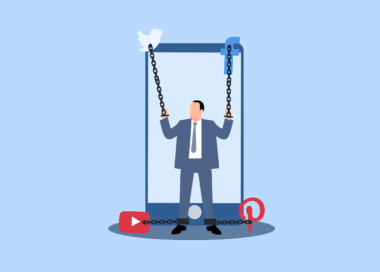

Balancing Online Presence and Mental Health for Professional Athletes
In the modern age, social media profoundly influences athletes’ lives, impacting their psychological wellness significantly. Professional athletes often feel immense pressure to maintain an ideal online persona, balancing authenticity with public expectation. This constant scrutiny can lead to heightened anxiety and stress, making it imperative for athletes to understand the effects of their online presence. Social media platforms such as Instagram, Twitter, and Facebook provide athletes with direct communication channels to their fans, but excessive engagement may overshadow their personal lives and well-being. To counter these negative effects, athletes should establish healthy boundaries. It is crucial to ensure that their online engagement enhances rather than detracts from their mental well-being. Creating strategies to handle online interactions can empower athletes and provide them with control over their digital narrative. Regular digital detoxes—temporary breaks away from social media—can also be productive. Studies have indicated that brief disconnections can lead to reduced stress and improved focus, ultimately reminding athletes that their self-worth isn’t tied to likes or followers. The pursuit of a balanced digital existence is essential for promoting athletes’ mental health in this hyper-connected world, facilitating more authentic connections with fans.
Moreover, understanding the social dynamics of online platforms can help athletes navigate potential pitfalls. Athletes should be informed about the nature of online interactions, including trolls and negative commentary, that could affect their mental health. Engaging with negative feedback can be counterproductive and instigate feelings of inadequacy. Developing coping mechanisms to handle criticism is an essential skill every athlete should adopt for mental resilience. Athletes can benefit from seeking mental health services or workshops focused on managing online engagement. A support system, including therapists and coaches, can help athletes process their experiences with social media, ensuring mental health is prioritized. Incorporating mindfulness practices can also assist in reducing anxiety linked to social media presence. These techniques promote awareness and help athletes maintain perspective amidst online pressure. Establishing a positive online brand involves consistent self-reflection, where athletes assess their feelings towards social media. Underpinning the necessity for self-care, athletes must continuously evaluate their online experiences and their impact on mental health. Engaging in proactive mental health practices equips athletes with tools to navigate the complexities of social media, fostering both personal growth and professional excellence.
The impact of social media extends beyond individual athletes, affecting team dynamics and the overall sports culture. Social media allows for collective pressure, where athletes may worry about their performance being discussed by fans and peers alike. This can create an unhealthy environment, leading to a fear of failure or feeling like they must constantly prove themselves. Teams must address these dynamics by fostering a culture where mental health discussions are openly encouraged. Mental health first-aid training could greatly benefit coaching staff, enabling them to support athletes dealing with social media-related stress. By prioritizing mental health awareness, teams can cultivate a supportive atmosphere that enable athletes to express their concerns without fear of judgment. Coaches should initiate conversations about the challenges of social media, normalizing the discussion of mental wellness. Workshops or group sessions can lead to a collective understanding of how social media influences behavior and emotional responses. In doing so, teams can create a resilient cohort of athletes who understand the importance of protecting their mental health, even in the face of external pressures. Such initiatives not only enhance individual athlete performance but also contribute to positive team morale and cohesion.
Strategizing Social Media Use
Constructive engagement with social media platforms requires strategic planning and intentionality. Athletes should outline clear guidelines for their online interactions, prioritizing meaningful content that resonates with their values. Engaging with audiences requires balancing personal and professional experiences, fostering authentic communication without compromising privacy. For instance, sharing training routines or motivational messages can foster connection, while preserving personal boundaries. Setting time limits for social media use can also help minimize distraction, allowing athletes to devote more energy to their mental and physical training. Additionally, athletes can selectively choose the platforms that align best with their authentic selves while disengaging from outlets that feel overwhelming. It’s important to curate the type of content consumed as well; athletes can follow accounts that inspire and uplift them rather than those that generate negativity. Utilizing analytical tools to assess engagement can help athletes achieve a healthier online presence. By understanding their digital footprint, athletes can gain insight into how their interactions affect their mental health. Ultimately, proactive strategies geared toward mindful social media use empower athletes in creating an online experience that is both beneficial and fulfilling.
Importantly, athletes should also consider the influence of social media on younger generations who look up to them. Professional athletes serve as role models for aspiring athletes, influencing their perception of success and mental wellness. As such, promoting honest discussions about mental health through their platforms can foster a healthier mindset among young fans. By sharing personal experiences, athletes can break down stigma, encouraging others to seek help when necessary. Collaborating with mental health campaigns or initiatives can amplify their message, showcasing the importance of emotional well-being. For example, athletes could engage in fundraising efforts or awareness projects, drawing attention to mental health issues directly linked to the pressures of sports culture. Participating in community outreach programs can also provide athletes with avenues for giving back while simultaneously reinforcing their commitment towards promoting mental health awareness. Emphasizing the importance of mental health not only helps their audiences but contributes positively to their own mental state as well. Through these means, athletes over time can foster greater societal change, helping to reshape conversations around mental health and well-being in sports and beyond.
Ultimately, the importance of prioritizing mental health amidst the pervasive influence of social media cannot be overstated. Athletes should feel empowered to take ownership of their online narrative while understanding the significance of maintaining mental wellness. Engaging with social media can be beneficial when approached with the right mindset, utilizing it as a tool for connection and advocacy rather than a source of pressure. Athletes should view their mental health as a key component of their success rather than a secondary element. Through education, support, and active engagement, athletes can cultivate a positive relationship with social media, becoming not only better competitors but also advocates for mental health awareness. Adaptive strategies and coping mechanisms will lead to resilience, which directly translates into their performance in sports by ensuring athletes are emotionally balanced. As the conversation around the impact of social media continues to evolve in the sports landscape, it is imperative athletes retain focus on their mental well-being. This will determine not only their success in athletic endeavors but also their ability to thrive as balanced, healthy individuals beyond their competitive careers.
Conclusion
In conclusion, the intersection of social media and athletes’ mental health is a crucial discussion in the modern sports arena. Athletes face unique challenges stemming from their public personas, leading to increased scrutiny that can harm mental health. Learning to navigate these pressures is a collective responsibility, involving athletes, coaches, and teams. By fostering a culture of openness regarding mental health and adopting strategic approaches towards social media, athletes can thrive both online and offline. Discussions surrounding mental wellness must be normalized, providing athletes with the tools needed to deal with external pressures. Innovation in support mechanisms, including workshops and professional resources, is essential in equipping athletes to manage their online presence. As athletes prioritize mental health without neglecting their athletic careers, they pave the path for a healthier sports culture that values the individual. They can emerge not only as champions in sports but also champions of mental health advocacy. By embracing these principles, athletes can inspire future generations, creating a lasting impact that goes beyond competitive accomplishments.