
Ergonomic Assistive Devices to Prevent Overuse Injuries in Athletes
Overuse injuries are common occurrences among athletes, resulting from repetitive motions that stress the same muscles and joints. These injuries often develop gradually, leading to significant discomfort and reduced performance over time. Ergonomic assistive devices play a crucial role in rehabilitation and injury prevention by providing support, stability, and improved biomechanics. These devices are specifically designed to enhance the natural movements of the body, thereby reducing the risk of overuse injuries. The integration of ergonomic technology in sports and rehabilitation not only aids recovery but also prevents injuries from occurring in the first place. Such devices aim to mitigate the stress on muscles and joints while athletes engage in various activities. Professionals in athletic training and rehabilitation suggest that using these devices can lead to a more sustainable training approach. Devices such as braces, dynamic orthotics, and specialized footwear can significantly impact an athlete’s performance and longevity. The utilization of these assistive devices serves to align an athlete’s body mechanics, allowing them to move more efficiently and with reduced pain, thus promoting better outcomes in both injuries and overall performance.
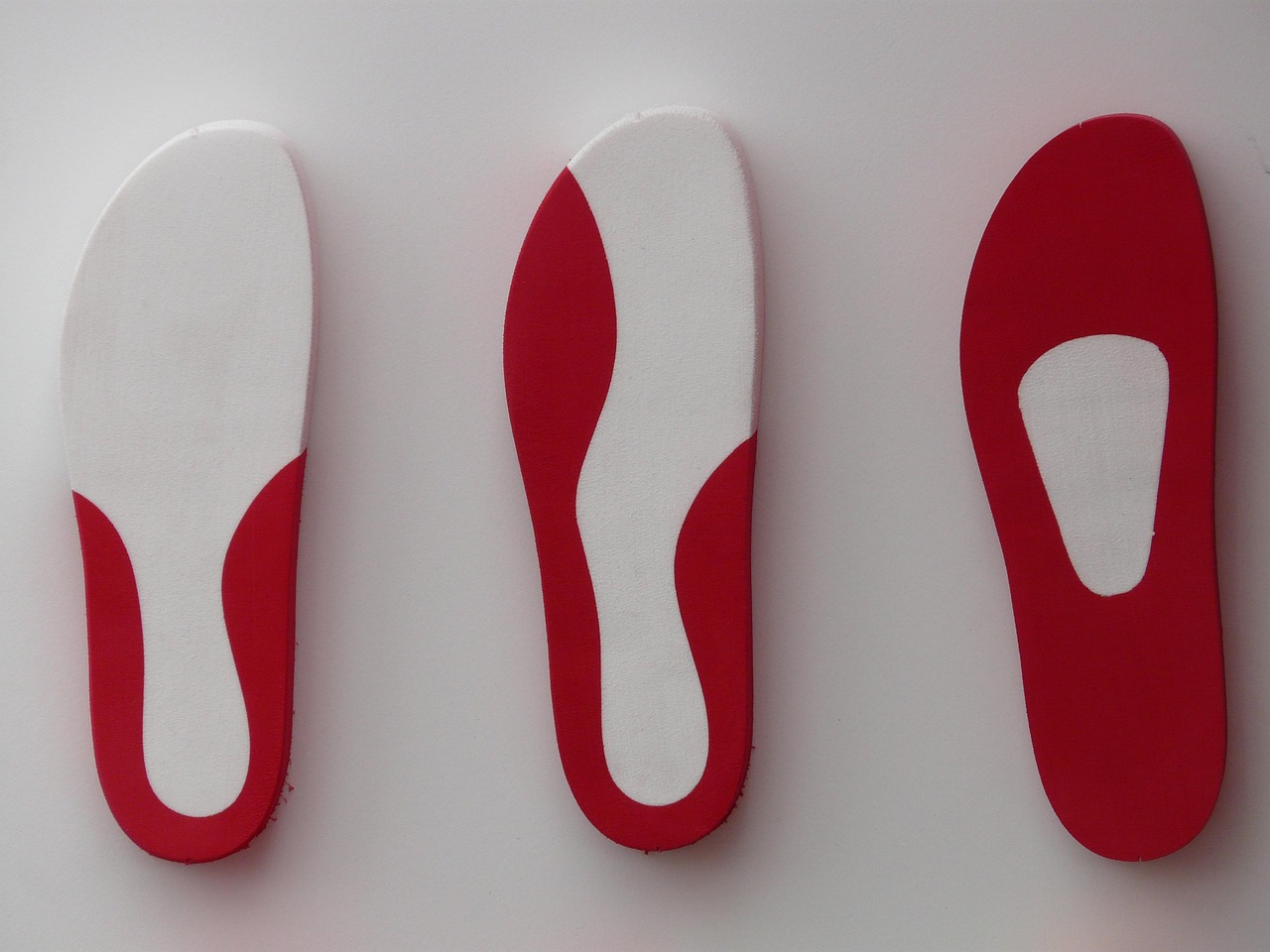
Understanding the types of ergonomic assistive devices available is essential for athletes seeking to prevent overuse injuries. Braces, for example, are commonly used to support specific joints such as the knee or ankle, allowing for proper healing while maintaining mobility. Compression sleeves can also be beneficial, providing muscle support and enhancing blood circulation during exercise. These devices can effectively alleviate discomfort caused by muscle fatigue or excessive strain. Additionally, ergonomic footwear is tailored to provide optimal arch support, cushioning, and stability based on an athlete’s unique needs, contributing significantly to injury prevention. Other products, such as foam rollers and massage tools, are invaluable in aiding recovery and improving muscle function by reducing soreness. Furthermore, specific training aids, like resistance bands or stability balls, can strengthen areas susceptible to injury, ensuring a more balanced and resilient physique. As athletes incorporate these tools into their training regimens, they often find increased comfort, reduced rates of injury, and enhanced performance overall. Knowledge of proper usage and selection tailored to individual biomechanics is vital in maximizing the benefits of these devices for every athlete.
The Role of Technology in Ergonomic Devices
Technology has revolutionized the design and functionality of ergonomic assistive devices. Today, many devices incorporate smart technology that tracks users’ movements, providing real-time feedback on performance and biomechanics. This information is invaluable for athletes looking to fine-tune their techniques while minimizing stress on their bodies. For instance, wearable sensors can analyze posture during training, alerting the athlete to any improper alignment that may lead to injury. Furthermore, advancements in material science have resulted in lighter, more durable devices that enhance comfort and effectiveness. Innovations such as heat-responsive materials and shock-absorbing designs contribute to improved user experiences by adapting to individuals’ needs. Additionally, mobile applications paired with these devices allow athletes to engage with personalized training programs that address their rehabilitation and injury prevention goals. Through ongoing monitoring and assessment, athletes can adjust their training routines to ensure they remain injury-free while continuously improving performance. The integration of technology into ergonomic assistive devices represents a significant leap forward in how athletes approach their training and injury prevention protocols.
Education and accessibility are vital components in promoting the use of ergonomic assistive devices in sports. Athletes, coaches, and trainers must be knowledgeable about various assistive technologies available to reduce the risk of overuse injuries. Workshops and seminars focused on ergonomic principles and device utilization can increase awareness and encourage proper adoption. Additionally, ensuring that these devices are easily accessible is crucial. It’s essential for sports organizations and rehabilitation centers to stock an array of ergonomic devices and encourage athletes to utilize them effectively. Through collaboration amongst healthcare professionals, coaches, and athletes, a culture of injury prevention can emerge, benefiting all levels of sports. Furthermore, athletes should be encouraged to openly communicate about their discomfort and the efficacy of various devices, fostering an environment of shared knowledge and experience. When athletes take proactive steps towards injury prevention, they not only improve their individual performance but also contribute to the overall safety and health of their sporting community. Adaptive sports programs can particularly benefit from such educational initiatives, as they address the unique challenges faced by athletes with disabilities or pre-existing conditions.
Implementing Ergonomic Devices in Training Routines
Integrating ergonomic assistive devices into training routines requires careful planning and consideration. First, athletes should assess their specific needs and consult with healthcare and fitness professionals for tailored recommendations. Incorporating devices into an athlete’s regime must not disrupt their existing strengthening or conditioning routines. Instead, these devices should complement and enhance their physiological training, maximizing benefits while minimizing the risk of injury. Coaches can play an integral role by ensuring that athletes use these devices correctly during practice or competition. Furthermore, keeping an open line of communication regarding any discomfort or restrictions is vital for ongoing adjustments to training protocols. Regular evaluations can help track an athlete’s progress and the effectiveness of the assistive devices in use, allowing for timely modifications to training regimens. Experimentation with different devices can help identify the most effective solutions for individual needs, improving performance outcomes. As athletes become accustomed to using ergonomic devices, they may find their strength and endurance improve without excessive strain on their bodies.
Long-term benefits of utilizing ergonomic assistive devices extend beyond immediate injury prevention. They contribute to better posture, enhanced strength, and flexibility, ultimately improving an athlete’s performance on the field or court. By integrating these devices into training routines, athletes can foster progressive adaptations in their bodies. As a result, they often experience improved overall athleticism, better skills synchronization, and reduced fatigue levels during competitions. Furthermore, such preventative measures also allow athletes to maintain their training schedules consistently through injury rehabilitation and reduced downtime. As athletes adopt more health-conscious practices, they ultimately cultivate longevity in their sports careers. Evaluating the effectiveness of these devices should be an ongoing process, as they may require adjustments based on progress and user experience. Ongoing education about ergonomics among athletes is essential for maximizing these benefits and encouraging a proactive approach to physical health. In the long run, incorporating ergonomic assistive devices not only supports athletes in their quest for excellence but also promotes a sustainable athletic lifestyle essential for peak performance.
Conclusion: The Future of Ergonomic Devices in Sports
As sports science continues to advance, the future of ergonomic assistive devices looks promising. Ongoing research and development will focus on enhancing the efficacy of these devices by targeting specific muscle groups and optimizing their designs. The ultimate goal is to create highly personalized options that evolve alongside athletes’ training needs and physical conditions. Furthermore, the integration of artificial intelligence and machine learning could drive innovation in adaptive technologies, making them more responsive to athletes’ requirements. This emerging trend will likely foster a new generation of smart devices capable of predicting and mitigating the risk of injuries before they occur. As society becomes increasingly aware of the importance of injury prevention, the demand for ergonomic assistive devices will continue to grow, encouraging manufacturers to invest in advanced research. Ultimately, the evolution of ergonomic assistive devices in sports has the potential to redefine the way athletes train and recover. This commitment to collaboration, education, and technology creates a pathway toward injury-free athletic success, allowing athletes to push their limits while safeguarding their health.
In conclusion, ergonomic assistive devices play a vital role in preventing overuse injuries in athletes. Their integration into training and rehabilitation can lead to improved performance and sustainability in sports. By focusing on proper techniques and utilizing the available technology, athletes can enjoy longer careers with fewer injuries. Understanding the importance of preventative measures not only helps the individual athlete but also supports the broader sports community. As these devices become more accessible and technology-driven, the future of athletic training is set to transform, promoting healthier lifestyles for athletes of all disciplines. Ongoing education around the benefits of these devices will ensure that athletes remain informed and proactive in their training approaches. By investing in ergonomic solutions, the sports community can expect a notable decline in overuse injuries, enabling athletes to reach their fullest potential. Hence, embracing ergonomic technology is a key move towards creating safer athletic environments. As the conversation around injury prevention continues, it is crucial that all stakeholders collaborate to bolster education and access to these important tools. Ultimately, this evolution in sports training will empower athletes to thrive while prioritizing their overall well-being.