
Functional Training Techniques for Explosive Athletic Movements
Functional training is essential for athletes aiming to improve performance in sports that demand explosive movements. The core principle of functional training emphasizes movements that mimic the tasks and challenges faced in specific sports. This type of training enables athletes to develop strength, speed, coordination, and agility, which are crucial for success in their respective competitions. Incorporating exercises such as kettlebell swings, box jumps, and plyometric drills can significantly enhance an athlete’s explosiveness. The focus should remain on building stability in the core while enhancing the lower body’s power components. This balanced power can translate effectively into various athletic skills, from sprinting to jumping.
Understanding the biomechanics behind explosive movements is key to optimizing functional training. Incorporating techniques like Olympic lifts plays an effective part in developing the requisite strength and speed. Olympic lifts, such as the clean and jerk or the snatch, engage multiple muscle groups simultaneously, which is essential for enhancing overall athletic performance. When performed correctly, these lifts teach athletes how to generate power and transfer that energy efficiently through their bodies. Training should also emphasize tempo and explosiveness, ensuring athletes can move dynamically, whether during hurdles, sprints, or lifts. Additionally, practicing with lighter loads while emphasizing form can yield better results without compromising safety.
A comprehensive approach to functional training involves multiple planes of motion. Athletes must be trained to move not only forward and backward but also laterally and rotationally. Exercises like lateral lunges, rotational medicine ball throws, and agility drills can enhance these movement patterns. Strong lateral and rotational movements are essential for sports like soccer, basketball, and tennis, where athletes often change directions rapidly. Implementing agility ladder drills can improve foot quickness while building coordination across multiple planes. Trainers should also assess which planes need more focus based on the athlete’s sport-specific demands, ensuring a customized training regime that enhances not only performance but also injury prevention.
Nutrition also plays a critical role in an athlete’s ability to perform explosive movements. Consuming a balanced diet loaded with macronutrients helps fuel high-intensity workouts. Protein intake is vital for muscle repair and growth, particularly after functional training sessions. Additionally, carbohydrates serve as the primary energy source, making them essential for sustained performance. Incorporating nutrient-dense foods will assist in both pre-training fueling and post-training recovery. Hydration cannot be overlooked, as even minor dehydration can impair athletic performance. Athletes should thus focus on maintaining proper hydration before, during, and after training sessions to support their physical capabilities and recovery processes.
The Role of Speed and Agility Training
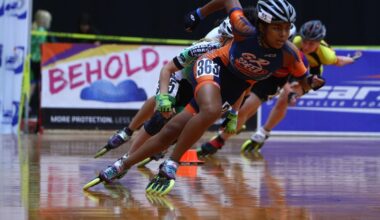
Speed and agility training forms the backbone of effective functional training for explosive movements. These components are pivotal for athletes aiming to enhance their overall athleticism. Sprinting drills that focus on acceleration and maximum velocity can improve an athlete’s quickness. Agility drills that incorporate change of direction often use cones or hurdles. This heightens the athlete’s ability to perform under pressure, simulating conditions frequently faced in competitive environments. Technique plays a significant role in ensuring that athletes maximize their speed while minimizing injury risk. Trainers should encourage athletes to develop optimal running mechanics through proper stride, arm action, and posture.
Incorporating recovery practices into training regimens is equally essential. Recovery not only facilitates muscle repair but also ensures athletes can consistently perform at their highest level. Techniques such as foam rolling, dynamic stretching, and active recovery days should be integrated into training schedules. This helps prevent overuse injuries and maintains optimum performance capabilities. Furthermore, proper sleep hygiene enhances recovery, ensuring that athletes return to training sessions refreshed and ready. In this context, athletes must understand that recovery is not merely an afterthought but an essential aspect of their functional training approach. Constructing an effective recovery strategy tailored to individual needs can profoundly impact performance.
Lastly, incorporating technology can provide valuable insights into progress and performance levels. Fitness trackers and apps that monitor metrics such as heart rate, speed, and power output enable athletes to analyze their training effectiveness. This data can highlight strengths and weaknesses in skill development. Utilizing video analysis helps provide feedback on technique and emphasizes areas for improvement. Such evaluations ensure that athletes can perform tasks with maximum efficiency, enhancing overall effectiveness in training. Embracing this technological evolution helps athletes stay competitive and fosters a greater understanding of the effectiveness of different functional training techniques throughout their journey.
In conclusion, functional training techniques that emphasize explosive movements are crucial for any athlete’s success. By focusing on strength, speed, agility, and recovery, athletes can optimize their performance and reduce the risk of injury. Customizing training regimens to meet individual sport demands ensures athletes cultivate the necessary skills and abilities. From effective nutritional strategies to adopting technological advances, functional training is a multifaceted approach designed to enhance athletic capabilities. By integrating and efficiently applying these fundamentals, athletes will undoubtedly see improvement in their explosiveness, making them more competitive in their respective sports.