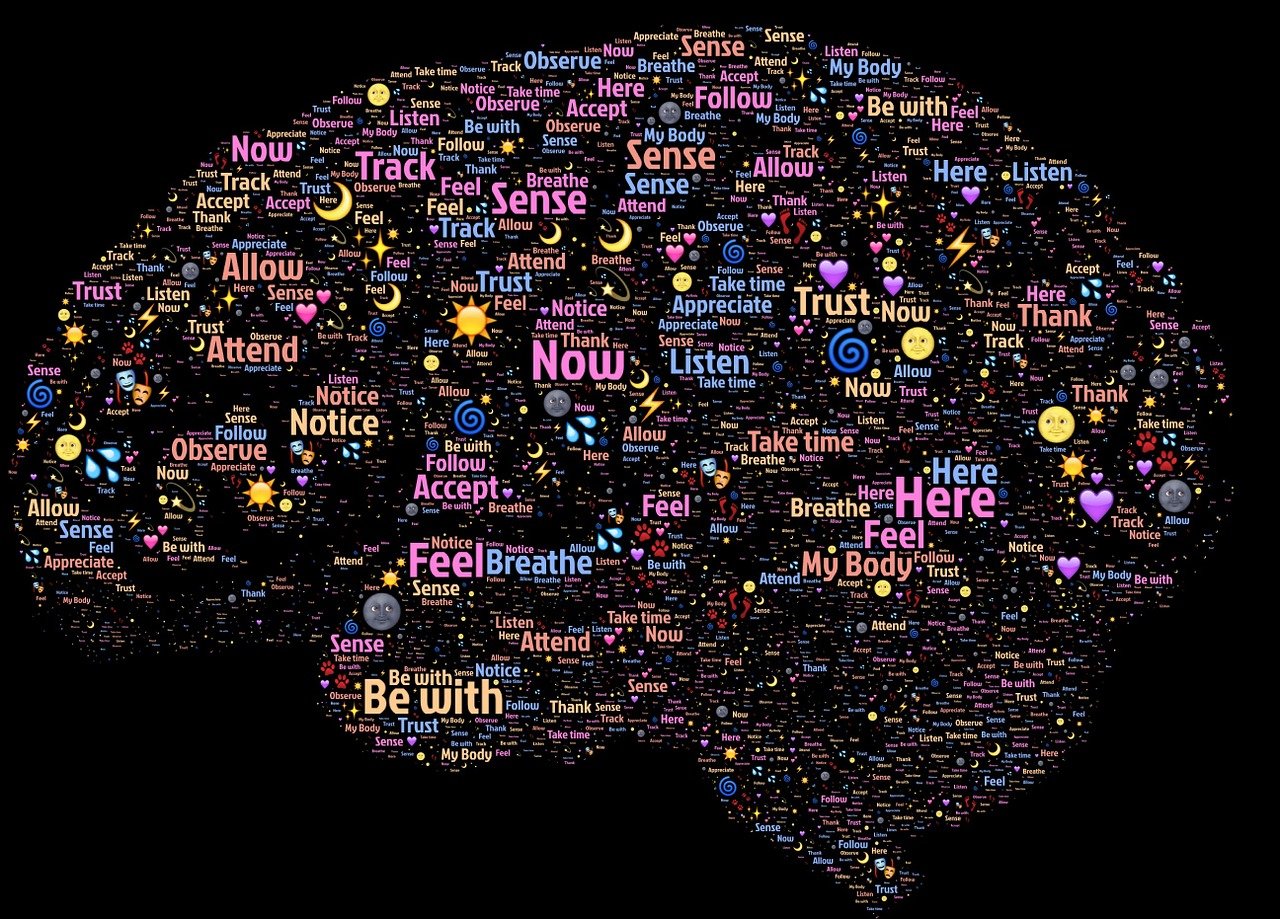

Meditation Techniques that Boost Brain Plasticity
Meditation has long been recognized for its mental health benefits, but it also plays a crucial role in brain plasticity. Brain plasticity refers to the brain’s ability to reorganize itself by forming new connections. Certain meditation techniques enhance this ability, making them essential for cognitive health. Mindfulness meditation, for instance, encourages greater awareness of the present moment. This practice fosters a deeper connection with one’s thoughts, emotions, and environment. As practitioners consistently focus on their breath or sensations, they strengthen neural pathways associated with attention and emotional regulation. Moreover, studies show that a regular mindfulness practice can lead to significant increases in gray matter density in brain regions associated with memory, emotional regulation, and stress management. Brain scans of individuals engaged in mindfulness meditation depict noticeable changes in brain structures and functions. These transformations suggest that the brain is indeed malleable, capable of adapting to new information and experiences, reinforcing the idea that engaging in mindful practices has profound implications for mental health and overall cognitive functioning. Thus, understanding how these practices influence brain plasticity can empower individuals to incorporate meditation into their daily routines.
Mindfulness Meditation and Neuroplasticity
Practicing mindfulness meditation is not only about relaxation but also significantly influences neuroplasticity. This approach involves cultivating awareness and presence while observing thoughts without judgment. Neuroplasticity is enhanced through consistent practice, as it leads to changes at the structural and functional levels of the brain. As individuals become more skilled at focusing their attention, they train their brains to develop heightened concentration. This process effectively rewires neural circuitry, leading to improved cognitive functions such as planning, problem-solving, and emotional regulation. Research has shown that those who regularly practice mindfulness experience increased cortical thickness in areas related to attention and sensory processing. Engaging in mindfulness meditation can also diminish the size of the amygdala, which is responsible for stress responses. Consequently, as the amygdala’s activity decreases, so does the overall stress level of the individual. This reduction in stress allows for a more adaptive response to daily challenges. Ultimately, this means practitioners are more equipped to handle difficult situations without being overwhelmed. Regular engagement, therefore, allows practitioners to experience enhanced brain functioning and emotional well-being.
Another technique associated with boosting brain plasticity is loving-kindness meditation. This practice emanates feelings of love and compassion towards oneself and others through structured phrases and visualizations. Studies reveal that this form of meditation not only creates a profound sense of well-being but also contributes positively to neuroplastic changes. Loving-kindness meditation has been shown to activate brain regions associated with positive emotions, moral decision-making, and social connections. Practitioners often report greater emotional resilience and better interpersonal relationships, fostering a profound sense of connectedness and empathy. Regular practice leads to efficient functioning within the anterior cingulate cortex and prefrontal cortex, both vital for emotional regulation and decision-making. Engaging in loving-kindness meditation regularly can reshape cognitive frameworks, allowing individuals to approach life with openness and compassion. As emotional connections deepen, the overall neural wiring can transform, enhancing the practitioner’s quality of life. By fostering an attitude of kindness—both towards oneself and others—individuals can create a significant shift in their neural pathways and emotional health. This technique serves as a powerful tool for promoting self-awareness and emotional intelligence.
Transcendental Meditation and Brain Health
Transcendental meditation (TM) is another method with substantial evidence backing its benefits for mental health and neuroplasticity. In contrast to mindfulness practices, TM focuses on the silent repetition of a mantra. This technique promotes profound relaxation, which allows the brain to enter a unique state of coherence, where cognitive functions can rejuvenate. Research indicates that TM can lead to measurable increases in brain function and cognitive capacities. Participants often experience improvements in creativity, intelligence, and overall mental agility. TM’s effectiveness stems from its ability to reduce stress and promote calmness, fostering conditions conducive to synapse growth and increased neural connectivity. The physiological benefits of TM include decreased stress hormones, which can lead to lower anxiety levels and better emotional health over time. Regular practice allows individuals to navigate daily challenges more effectively. Many studies have demonstrated TM’s impact on brain wave frequencies, leading to heightened alertness and calm. Consistent practice can enhance learning abilities and retention, significantly impacting academic or professional performance. Thus, TM emerges as a valuable addition to anyone’s mental wellness routine, making it beneficial for brain health.
Aside from traditional techniques, movement-based meditative practices can also enhance neuroplasticity. Yoga is a prime example that combines physical postures, breath control, and meditation, significantly affecting brain structure and function. Engaging in yoga promotes enhanced coordination and flexibility but also improves brain connectivity and cognitive functioning. Studies indicate that individuals who partake in regular yoga practice often experience greater increases in gray matter volume in critical regions of the brain associated with memory and emotional processing. Yoga promotes mindfulness through its emphasis on breathing and attention, allowing individuals to develop greater focus and resilience. Neuroscientific research supports yoga’s role in reducing anxiety and improving overall mental health, contributing to neuroplasticity. Practitioners report less activation in the stress-response system and greater emotional resilience. Furthermore, yoga facilitates relaxation, leading to significant decreases in cortisol levels, thus improving brain function. Incorporating yoga as part of a holistic approach to mental wellness can be profoundly transformative. This physical and mental interplay serves to encourage a more adaptable and resilient brain while integrating physical health into a mindful lifestyle.
Benefits of Group Meditation
The practice of group meditation also emerges as an impactful method for enhancing neuroplasticity. Engaging in meditation with others creates a shared experience that enriches the individual practice. Research has shown that group meditation can foster social connections and strengthen community bonds, which in turn influences brain health positively. When individuals meditate together, they often feel a heightened sense of belonging and support. This sense of community can boost motivation and commitment to practice consistently, yielding increased neuroplastic benefits. Moreover, shared meditation experiences amplify the effects of meditation through collective energy. When participants engage in mindfulness as a group, their collective intention creates a powerful atmosphere promoting relaxation and learning. A growing body of evidence suggests that such communal practices yield benefits for emotional regulation, particularly in addressing stress and anxiety. Being part of a group also reinforces accountability, which can encourage individuals to maintain their meditation practice. Thus, the communal aspect of group meditation not only nurtures individual self-improvement but also cultivates a supportive environment where neuroplastic changes can thrive, reinforcing mental wellness.
In conclusion, incorporating various meditation techniques can significantly boost brain plasticity, leading to numerous mental health benefits. Through consistent practice, individuals can reshape cognitive patterns, enhance emotional resilience, and improve attention. Each method discussed contributes uniquely to neuroplasticity, whether through mindfulness, loving-kindness, transcendental meditation, or movement practices like yoga. Furthermore, cultivating connections through group meditation creates an enriched experience that enhances the benefits of individual practices. As individuals engage with these techniques, they open the door to cognitive growth and emotional well-being. Understanding the relationship between meditation and neuroplasticity can empower individuals to develop a customized approach to their mental health practices. As we delve deeper into these techniques, we uncover the potential of our brains to adapt and transform through deliberate practices. Therefore, embracing meditation could serve as a powerful tool for anyone looking to enhance their brain health. The ongoing commitment to meditation creates an avenue for lifelong learning and personal development, positioning individuals to navigate life’s challenges with greater self-awareness and adaptability.
As further developments in neuroscience emerge, the understanding of meditation continues to evolve. Ongoing research illuminates how brain plasticity can be harnessed for therapeutic purposes, enhancing learning capabilities and improving emotional regulation. Future studies will likely reveal even more about mindfulness practices’ impact on the brain. This growing body of evidence supports the historical and anecdotal claims of meditation’s benefits. Additionally, advancements in technology and brain imaging techniques will allow for deeper insights into how meditation alters brain function. The intersection of mindfulness and neuroscience presents a promising frontier for exploring personal growth. Individuals engaging in these practices hold the key to unlocking their brain’s potential. Overall, the integration of meditation into daily routines can be transformative, promoting not only personal well-being but also fostering community connections. As we collectively embrace these techniques, we pave the way for a more resilient and adaptable society, equipped with the tools to enhance mental health. Thus, through meditation, individuals can achieve profound insights into themselves. With regular practice, one can experience a genuine shift toward a more mindful, compassionate, and creative existence.