
Hydration and Electrolyte Balance for Cardiovascular Performance
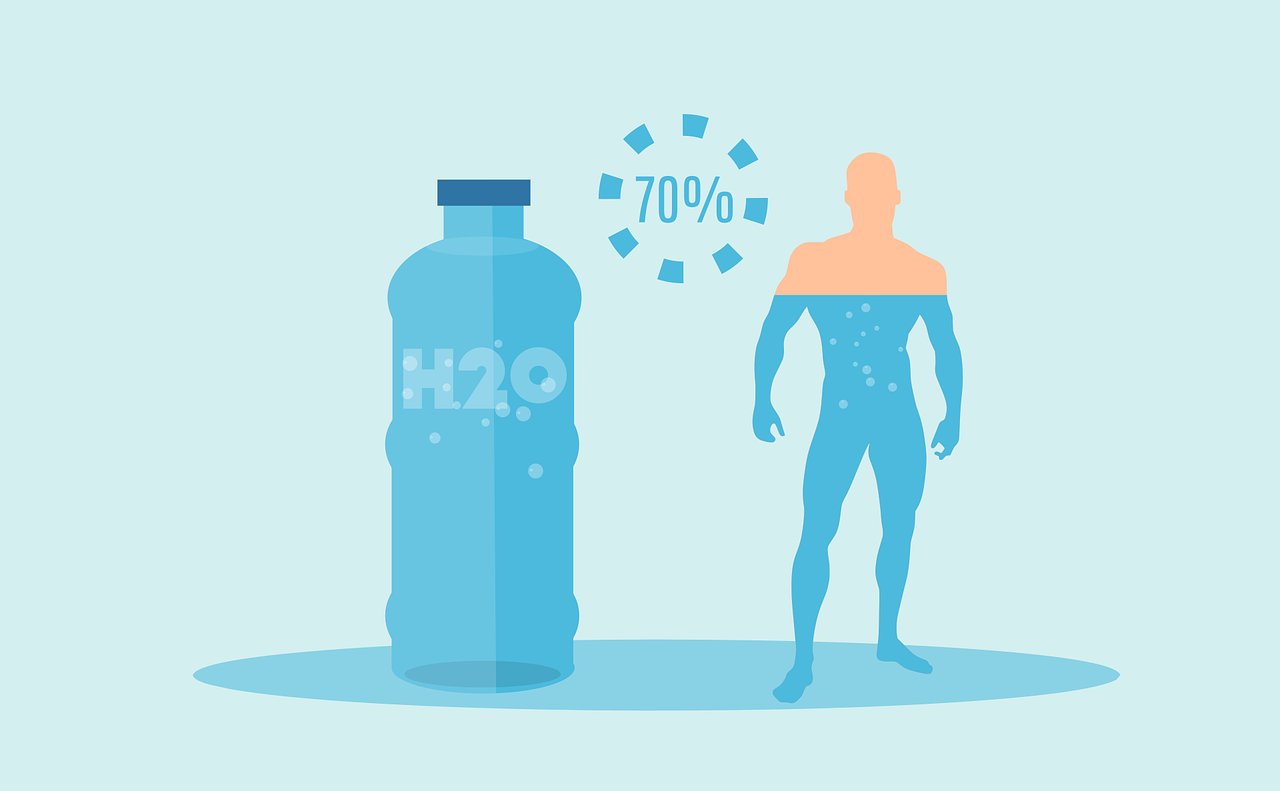
Cardiovascular fitness significantly contributes to overall health, and hydration plays a crucial role. The human body is around 60% water, which is essential for various physiological functions, including temperature regulation and nutrient transport. Maintaining proper hydration levels can directly affect your cardiovascular performance. Dehydration can lead to reduced blood volume, resulting in decreased exercise capacity and increased heart rate. For athletes and active individuals, staying well-hydrated before, during, and after workouts ensures optimal performance and recovery. Water is the most crucial component of hydration, but electrolytes are equally important. Electrolytes, such as sodium, potassium, and magnesium, help maintain fluid balance and support muscle contraction. Without adequate electrolytes, the body may struggle to retain water, thus increasing the risk of dehydration. This balance can be disrupted by factors such as excessive sweating, diuretics, or poor dietary choices. To achieve optimal hydration, individuals should consider both fluid intake and electrolyte replenishment during their training regimen. Incorporating electrolyte-rich foods or drinks can enhance recovery and performance, ensuring you maintain a high level of cardiovascular fitness over time.
One of the most vital aspects of hydration is understanding when and how much to drink. The timing and quantity of fluid intake can influence your cardiovascular performance during activities. Before exercise, aim to hydrate adequately, consuming about 16 to 20 ounces of water two hours before your workout. Additionally, drinking during exercise is just as crucial. Consuming 7 to 10 ounces every 10 to 20 minutes during performance can help maintain hydration levels. Post-workout, rehydrating is essential for recovery; aim for at least 16 to 24 ounces within the first hour after your workout session. These guidelines can vary based on various factors like body weight, intensity, temperature, and individual needs. It is important to listen to your body and adjust fluid intake accordingly. Remember that thirst is not always a reliable indicator of hydration needs, especially during intense activities. Therefore, developing a proper hydration plan tailored to your specific workouts is necessary. Regularly checking urine color and volume can also provide insights into hydration status, ensuring you optimize your cardiovascular fitness routine.
The Role of Electrolytes
Electrolytes are minerals that carry an electric charge; they play a fundamental role in the body’s hydration status and physiological functions. Sodium, potassium, calcium, and magnesium are the primary electrolytes involved in muscle function and cardiac rhythms. Sodium governs fluid balance and helps transmit nerve impulses, while potassium is vital for muscle contractions and heart health. A proper balance between these electrolytes is essential for optimal cardiovascular performance. During intense physical activity, excessive sweating can lead to significant electrolyte loss, resulting in muscle cramps, fatigue, or even heat illnesses. Therefore, it is crucial to not only focus on water intake but also replenish electrolytes after vigorous exercise. Consuming sports drinks that contain electrolytes can be beneficial for athletes, particularly when engaging in prolonged or strenuous activities. Additionally, a balanced diet rich in fruits, vegetables, and nuts provides necessary minerals to support electrolyte levels. Understanding the importance of electrolytes can help athletes and fitness enthusiasts enhance their performance and sustain cardiovascular health over time.
Incorporating natural sources of electrolytes into your daily routine can enhance hydration and support cardiovascular fitness. Foods such as bananas, spinach, avocados, and sweet potatoes are excellent sources of potassium, while nuts and dairy products are good calcium sources. Sodium can be obtained from table salt and certain processed foods, but moderation is key. Additionally, coconut water has gained popularity among athletes as a natural electrolyte beverage, containing a balance of sodium and potassium. Tailoring your diet to include these foods emphasizes the importance of nutrition in hydration and cardiovascular performance. Meal planning can facilitate consistent intake of vital nutrients, aiding recovery and performance. Moreover, awareness of your environment is essential; hot and humid weather demands increased fluid and electrolyte intake to prevent dehydration and heat stress. Always keep some electrolyte-rich snacks handy, especially when undertaking endurance training or long workouts. By prioritizing both hydration and nutrition, you can train effectively and maintain robust cardiovascular fitness, ensuring long-term health and performance benefits.
Signs of Dehydration
Recognizing the early signs of dehydration can help athletes stay ahead of the game and optimize their cardiovascular performance. Symptoms include dry mouth, excessive thirst, fatigue, dizziness, and reduced urine output. Athletes might also experience muscle cramps or headaches as dehydration progresses. If you encounter any of these symptoms while exercising, it is essential to take immediate action by replenishing fluids and electrolytes. Ignoring these signs can lead to severe consequences, including heat exhaustion or heat stroke, which could dramatically affect your training and fitness progression. Regular monitoring of your body’s hydration status during exercise can involve checking your urine color or simply being aware of your thirst levels. Hydration needs may change based on individual factors, such as altitude, climate, and exercise intensity. Therefore, understanding your body’s unique requirements is essential. Always keep water or electrolyte drinks at your side to combat dehydration efficiently, ensuring optimal cardiovascular performance no matter the circumstances. Stay vigilant and proactive in maintaining hydration for success in your fitness journey.
Recovery is a crucial aspect of training, and proper hydration is pivotal in this process. During recovery periods, the body rebuilds muscle tissues, replenishes energy stores, and restores hydration levels depleted during exercise. Consuming adequate fluids and electrolytes post-exercise can significantly improve recovery times and reduce soreness. Studies suggest restoring fluid balance and electrolytes can restore cellular function and prevent complications associated with dehydration. Drinking fluids containing carbohydrates and electrolytes immediately after workouts can expedite this process. For those engaging in vigorous exercise or competing, consuming a recovery drink that incorporates both hydration and electrolyte replenishment can be beneficial. Simple strategies include taking in fluids that consist of approximately 0.5 to 0.7 grams of carbohydrates per kilogram of body weight after intense sessions. Likewise, incorporating fruits rich in water content, such as watermelon and oranges, can assist in rehydration. Ultimately, making recovery a priority through hydration strategies can enhance your cardiovascular fitness, allowing for continuous improvements in your performance over time while reducing the risk of injuries.
Conclusion
In conclusion, hydration and electrolyte balance are cornerstone aspects of nutrition for maintaining cardiovascular fitness and overall athletic performance. Staying properly hydrated before, during, and after workouts is vital to ensure optimal bodily functions, and electrolyte management is equally crucial. Emphasizing both elements aids in achieving increased endurance, reduced injury risks, and quicker recovery times. To elevate your cardiovascular performance, focus on water intake alongside sources of essential electrolytes from your diet. Develop individual hydration strategies tailored to your workouts and environmental conditions. It is essential to regularly assess your hydration and tailor your approach through monitoring signs of dehydration. By prioritizing your hydration needs, you can enhance your physical capabilities and health significantly. Maintain a balanced intake of fluids and electrolytes to support your cardiovascular pursuits. Integrating discipline in hydration practices ensures that you are maximizing your fitness regimen. Ultimately, a well-planned approach to hydration can unlock your true potential and achieve long-term success in your cardiovascular fitness journey.
With growing awareness of the importance of hydration and electrolytes, implementing these strategies becomes essential for serious athletes. Following the informative strategies outlined will propel your cardiovascular fitness even further. Remember that your body is your primary mechanism, so treat it with respect and the care it deserves. No matter the level of physical activity you pursue, understanding the relationship between hydration, electrolytes, and cardiovascular performance can unlock your athletic potential. Incorporating these principles will positively impact your fitness journey while keeping your body healthy. Make hydration and electrolytes a priority, and watch as your performance improves. The journey to enhanced cardiovascular fitness begins with the right knowledge and commitment to implementing effective hydration practices.