
Trail Running Safety Tips for Older Adults
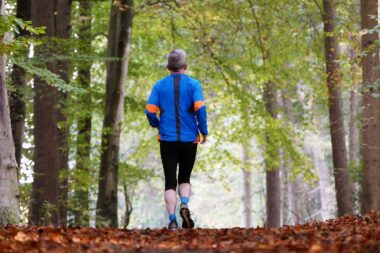
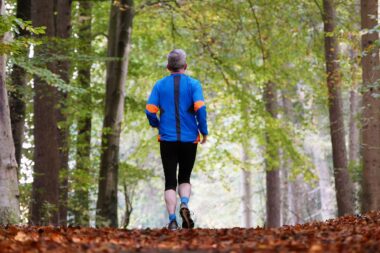
Trail running offers seniors a fantastic way to maintain fitness, enjoy nature, and foster social connections. However, safety should always come first. Before embarking on a trail run, seniors should ensure they choose trails that match their fitness level and experience. Knowing the trail’s terrain is essential; rocky paths or steep inclines may pose a risk. Always check the weather forecast as conditions such as rain can affect trail conditions significantly. Consider running during daylight hours and wear visible clothing to increase safety. Joining a local running group can also provide companionship and support, which adds an important layer of safety. Staying hydrated is crucial, so always carry water and snacks. Ensure you have your phone for emergencies. Listen to your body; if something feels off, take it easy and don’t hesitate to rest. By following these precautions, older adults can ensure their trail running experience is enjoyable and safe.
Proper Footwear and Gear
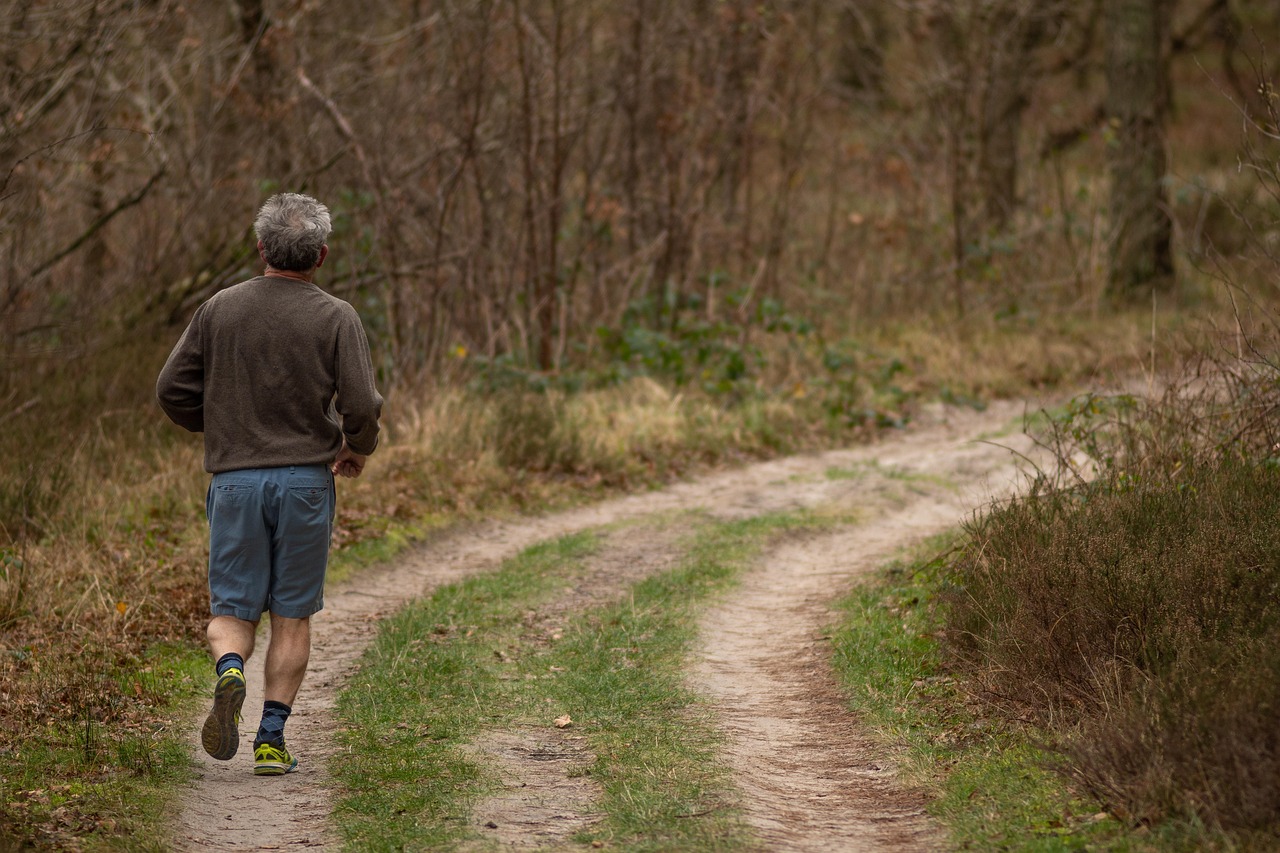
When trail running, appropriate footwear and gear become paramount, especially for seniors. Investing in a good pair of trail running shoes is essential, as these provide the best support and grip on uneven surfaces. Look for shoes specifically designed for trail running with a robust outsole to prevent slips. Additionally, using moisture-wicking socks can prevent blisters, ensuring comfort throughout the run. Other vital gear includes lightweight athletic clothing tailored for moisture control and temperature regulation. A breathable, long-sleeve shirt and shorts can protect the skin from the sun while keeping you cool. Consider wearing a hat with a brim to shield your face from the sun’s rays. Bringing along lightweight equipment such as poles can help maintain balance on steep sections. A running vest with hydration storage is also beneficial for carrying water and essentials without weighing down the runner. Investing in proper gear not only enhances performance but also promotes safety during the trail run.
Navigating trails can sometimes be confusing, especially for older adults unfamiliar with the area. To enhance navigation, consider carrying a map and a compass, or downloading a GPS application on your smartphone. These tools can be lifesavers if you lose your way. Familiarizing yourself with the trail before setting out is also wise, providing insights into potential hazards and varying terrains. Always tell someone your running route and expected return time for safety. This precaution ensures someone is aware of your plans, allowing for prompt action if needed. If you run with a partner or group, staying within sight of each other is essential. Additionally, investing in a whistle can be a useful tool for drawing attention in case of emergencies. Remember to take your time traversing tricky points; there is no rush. Furthermore, a basic first-aid kit can be helpful for minor scrapes or injuries, adding an extra layer of preparedness. This approach allows seniors to revel in their trail running adventures confidently.
Warm-Up and Stretching
Before participating in trail running, seniors should prioritize warming up and stretching. Preparing the body for physical activity reduces the risk of injuries, especially in more mature runners. A warm-up routine can include dynamic stretches like walking lunges and leg swings to get the blood flowing. These exercises help loosen the muscles and joints, making them more flexible and ready for activity. Prioritizing dynamic stretching instead of static stretches has proven effective in preparing muscles for exertion. Once warmed up, practicing appropriate running form is crucial for efficiency and safety. A proper posture, combined with a relaxed gait, ensures less strain on the body. After the run, implement a cool-down routine with static stretches, focusing on major muscle groups like calves, hamstrings, and quadriceps. This practice promotes recovery and reduces soreness. Aim for at least 10 minutes of stretching after every run, allowing muscles to relax and lengthen, leading to improved flexibility over time. Overall, incorporating adequate warm-up and cool-down practices is essential for longevity in trail running.
Staying connected with healthcare professionals is vital for seniors involved in trail running. Regular check-ups enable doctors to assess cardiovascular health, joint conditions, and overall physical fitness, advising on suitable levels of exercise. Before starting any trail running regimen, consulting with a doctor ensures the chosen activity aligns with specific health needs. Senior runners with pre-existing conditions such as arthritis or heart issues should have tailored plans to accommodate their unique situations. Having regular communication with physical therapists can also provide essential insights into injury prevention strategies. They can recommend exercises that strengthen areas prone to injury. If interested in group trail running sessions, it’s essential to select a group that understands and accommodates individual health concerns. This leads to a supportive atmosphere, valuable for motivation. Additionally, being aware of the signs of exhaustion or distress is crucial. Encourage seniors to listen to their bodies and rest when needed. This proactive approach to health can significantly contribute to the safety and enjoyment of trail running experiences.
Monitor and Manage Fatigue
One of the essential aspects of trail running for seniors is learning to monitor and manage fatigue effectively. As the body ages, recovery times and energy levels can vary significantly. It’s crucial to listen to your body, recognizing the signs of fatigue and taking measures to address them. Before setting out, assess your energy levels and physical condition; if you feel overly tired or unwell, choose to rest or consider a shorter route. Take regular breaks during the run, especially on longer trails, to allow the body time to recover and replenish energy. Hydration is equally important during these breaks. Carry snacks such as fruits or energy bars to maintain momentum throughout the run. Additionally, consider setting specific pace goals to avoid overexertion early on. Using a heart rate monitor can help you keep track of your exertion levels. Adapting the pace allows for enjoyment of the trail without injury, ultimately leading to a more rewarding experience. Overall, managing fatigue lays the foundation for fulfilling trail running adventures.
Being aware of the environment is another key safety consideration for seniors engaging in trail running. Trails can present unique challenges, such as natural obstacles, wildlife encounters, and changing weather conditions. It’s crucial to remain alert to potential risks while enjoying the beauty of nature. Knowing trail etiquette can help in maintaining safety not just for oneself but for fellow trail users as well. Always yield to hikers and bikers, and respect the trail regulations, which often include keeping to designated pathways. Familiarize yourself with the local wildlife, including which species are common in the area and how to behave during unexpected encounters. Understanding which animals may pose threats ensures greater safety on trails. Moreover, being mindful of shifting weather conditions is essential for trail safety. If thunderstorms, heavy winds, or low visibility are evident, it’s crucial to reconsider your plans or cut a run short. In such cases, convenience and safety should be prioritized over completing the planned distance. By fostering awareness about environmental aspects, seniors can greatly enhance their trail running experience.
In conclusion, trail running for seniors offers health benefits and enjoyment but should be approached with care and safety considerations. Implementing these safety tips enhances the trail experience while minimizing risks. Focus on the right equipment and your physical condition before heading out. Always remain aware of your surroundings, trail etiquette, and adapt your pace and distance to suit your capabilities. Incorporating warm-up routines and cool-down strategies can promote longevity in the sport. Regular check-ins with healthcare professionals ensure your approach aligns with recommended guidelines and individual health needs, making for a safer experience. Encourage forming connections with fellow trail runners for support, fostering a sense of community while promoting accountability. Ensure you understand your limits, and be ready to take breaks when needed. Lastly, educate yourself on your environment, respect nature, and be prepared for unexpected challenges. This comprehensive approach to safety in trail running ensures seniors can enjoy the great outdoors while protecting their well-being, leading to fulfilling exploration and a healthier lifestyle.