
Introduction to Basic Inline Skating Techniques
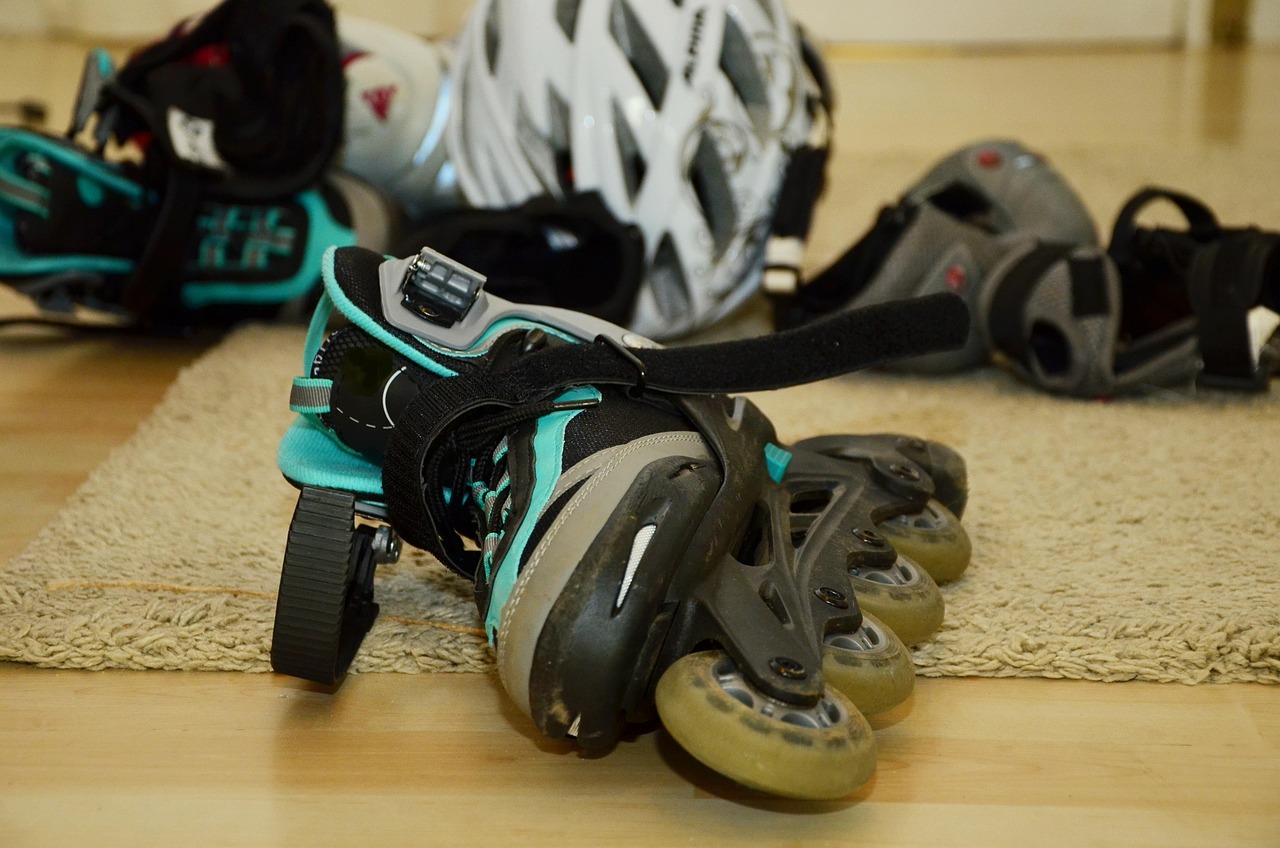
Inline skating is an exciting and engaging physical activity that not only provides a fun way to exercise but also enhances balance and coordination. By mastering basic techniques, beginners can ensure a strong foundation for further progression. First, it’s important to understand the equipment: skates need to fit properly, ensuring comfort and stability. Making sure to wear protective gear including wrist guards, knee pads, and helmets is essential for safety while practicing skills. Begin by learning the proper stance; knees slightly bent, feet shoulder-width apart, and body weight centered. This balanced position helps maintain control while skating. Practice gliding forward by pushing off with one foot, transferring weight to the other foot, and keeping both skates parallel. Adjusting your weight seamlessly while skating is crucial for speed and agility. Learning how to brake effectively is also a key skill. Several techniques exist, including the T-stop and heel brake. Each braking technique allows skaters to slow down or stop safely while maintaining confidence. Establishing these initial skills will set the stage for exploring more advanced inline skating techniques in the future.
Essential Techniques for New Skaters
One of the fundamental techniques in inline skating is the “V” position for better control during your slides. Begin by positioning your skates in a slight V-shape while maintaining that slightly bent knee stance. This technique not only aids in maintaining balance but also helps to navigate turns more smoothly. As you gain more confidence, be sure also to work on your forward stride. This technique involves pushing off from the ball of your foot while making sure to keep the other skate gliding straight behind you. Alternating strides will develop rhythm and boost speed while skating. As you become proficient in forward strides, practice transitioning into backward skating. Start slowly, looking over your shoulder, allowing for gradual movement backward while maintaining your balance. Additionally, learn how to carve turns effectively. This involves shifting your weight and leaning into the direction of your turn while keeping your skates close together. The principle of shifting weight side to side is for enhancing speed and execution of turns, making the skating experience more enjoyable.
Another key technique to master is the stopping method. The ability to stop safely is critical for every skater’s safety. Learning the “snowplow” stop is particularly useful for beginners, as it allows skaters to slow down and halt effectively. This technique involves turning the toes outward while pushing the heels inwards, creating friction against the ground. However, the T-stop is another effective way to stop, utilizing one skate positioned perpendicular to the other to create braking through friction. Skaters should practice these stopping techniques consistently, as confidence in stopping builds overall confidence in skating. Practicing on varied surfaces will help strengthen your skills, allowing you to adapt to different skating environments. Furthermore, improving your core strength through exercises will provide the stability needed during your skating sessions. Core strengthening workouts may include planks or balancing activities, which contribute to better balance on skates. Conditioning your muscles through practice is essential for skaters to manage agility and endurance in longer distances. Regular practice and perseverance will make progress in the development of these inline skating skills, setting a solid groundwork for advanced techniques.
Mastering Balance and Coordination
Balancing proves to be one of the most challenging aspects for beginning inline skaters. It’s essential to focus on strengthening your balance skills. Practice skating on one foot while slowly lifting one skate off the ground, alternating feet. This exercise can help you develop control and stability, improving overall coordination. Additionally, utilizing a wall or rail for support during early practice can instill confidence and a sense of security as you learn to maintain balance. Joining a local skating group or community can also be beneficial; skating with peers cultivates motivation and allows for shared tips. Strength and flexibility exercises, such as yoga, can greatly enhance balance in skating, reducing the risk of falls and injuries during practice sessions. The key is to practice regularly while maintaining a positive attitude, as progress takes time and dedication. Another avenue for enhancing balance is participating in other activities such as roller hockey or skating games. These opportunities provide an engaging way to improve techniques while enjoying time with friends or others interested in skating.
Inline skating involves not just physical techniques but also knowledge of safety practices. Always ensure your skating location is safe, well-lit, and free from obstacles. Engaging in early lessons or taking courses from experienced skaters can significantly improve one’s skills and boost confidence. This is particularly true for understanding how to engage in group skating, which can vary in dynamics, especially regarding speed control and communication. Observing experienced skaters can provide insight into advanced movements while also making skating more enjoyable. Additionally, it’s critical to always wear appropriate protective gear to reduce the risk of injuries. Furthermore, ensuring that your skates are maintained, including checking the wheels, frame, and brake pads, will ensure a safer skating experience. Keeping your skates clean and making necessary repairs can prevent potential accidents. Join local skating clubs or online communities dedicated to inline skating; they can provide valuable resources and camaraderie. These connections can also lead to insights on favorite skating trails and can be an excellent platform to share experiences and progress.
Developing Confidence on Skates
As you continue to practice the techniques mentioned, building confidence in your skating abilities becomes essential. Set realistic goals for each skating session, focusing on achievable skills. Gradually challenging yourself while allowing for breaks will create a more productive learning experience. Try varying the skating environment to enhance adaptability; practicing outdoors can help skaters adjust to different surfaces and conditions. Braving inclines or declines strengthens different muscle groups and improves control. Skaters should also focus on developing their style, which comes naturally as they become more comfortable on skates. Skating in different formations, incorporating tricks, or creating personal routines will provide excitement and a sense of accomplishment. Joining special events or skate races can serve as motivational factors, enhancing commitment and determination. Moreover, consistently monitoring progress through journaling or video recordings can provide insight into improvements and areas needing more practice. Learning from mistakes or missteps can lead to faster skill refinement. Confidence often flourishes in supportive environments, so surround yourself with encouraging friends and fellow skaters with similar goals. This camaraderie fosters positive reinforcement in your journey as an inline skater.
Finally, skateboarding and inline skating provide excellent opportunities for community interaction. Attending skating events, local meetups, and competitions allows riders to build friendships and connections while sharing their passion. These gatherings introduce various skating styles and disciplines, offering new perspectives and techniques for cooperative learning. Checking local parks or community centers for scheduled skating sessions can encourage ongoing practice and motivation. Sharing knowledge with others who are interested can also strengthen one’s own skills. Additionally, incorporating regular stretches and warm-ups into your routine will enhance flexibility and prevent injury. Keeping your body strong and ready for skating facilitates learning, ensuring longer, more enjoyable sessions. Make sure to stay tuned into progress and celebrate small achievements along the way, as this keeps the motivation alive. Inline skating is a journey filled with learning, exploration, and joy. The thrill of racing downhill and gliding through turns fosters a sense of freedom and exhilaration that can be addictively rewarding. With commitment and perseverance, inline skating can become a lifelong passion that yields both fitness benefits and boundless enjoyment.
Concluding Thoughts on Inline Skating Mastery
In conclusion, inline skating is a multifaceted sport that requires dedication, patience, and practice to truly master. By focusing on the basic techniques, safety practices, and enjoying the journey, beginners can develop their skills in a supportive environment with their peers. Inline skating serves not only as a healthy outlet but also fortifies personal goals in fitness and mastery within this exhilarating activity. Celebrating progress, regardless of how small, helps fuel motivation and commitment over time. Those looking to improve their inline skating should remember the importance of consistency and community engagement. Companionship during practice fosters enjoyment, experimentation, and learning as an evolving skater. As skaters advance through the phases of development, they should approach new skills with an open mindset while continuously honing their fundamentals. With regular practice and a fruitful learning approach, inline skaters can look forward to endless enjoyment on skates. Ultimately, the world of inline skating promises not only personal growth but also cherished memories that last a lifetime. Embrace the journey, make new friends, and discover the exhilarating joy that inline skating has to offer.