
Hormonal Changes During Menopause and Their Effect on Weight
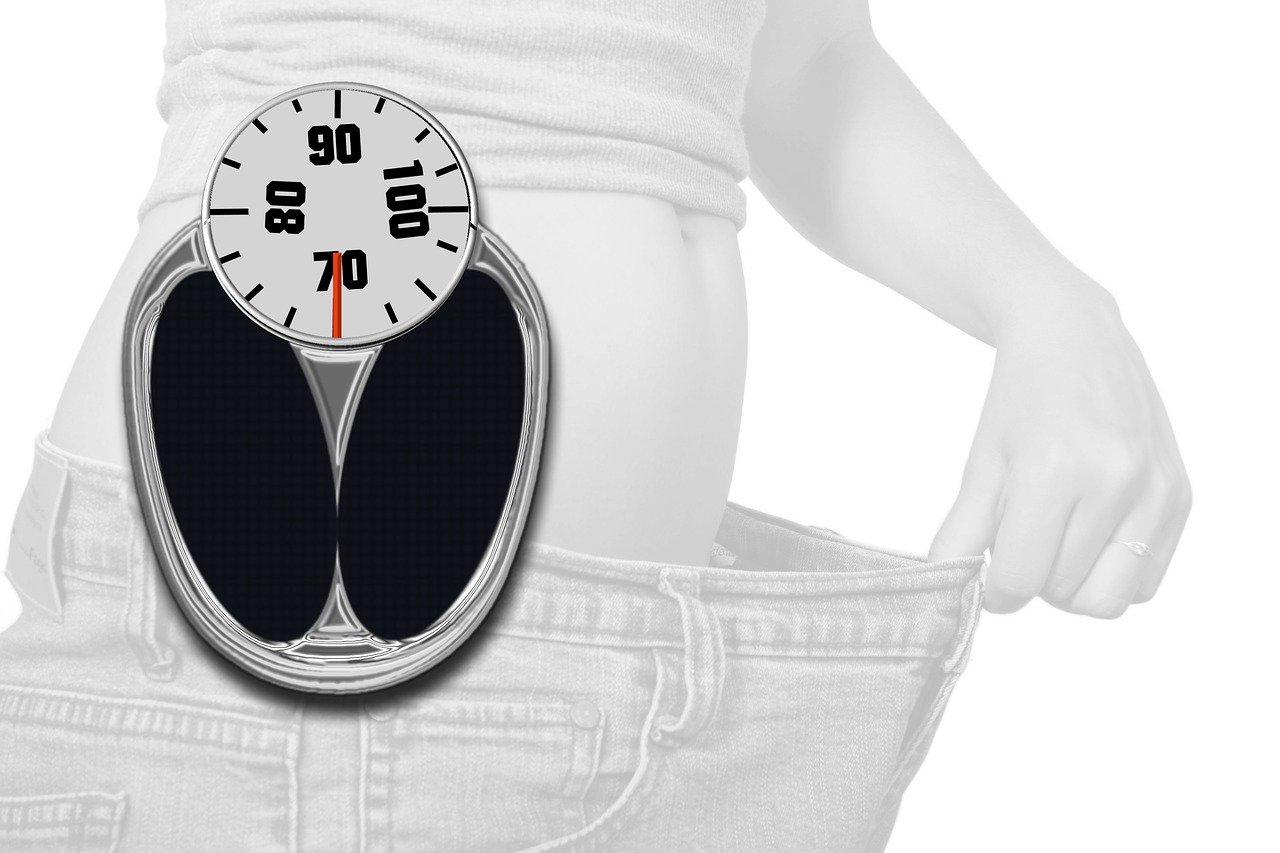
Menopause is a significant life transition that impacts women’s bodies, leading to various hormonal changes. A notable effect of these changes is weight fluctuation, which can be challenging to manage. During this period, estrogen levels drop significantly, which has a profound impact on body weight and fat distribution. This drop in estrogen affects how the body stores fat, often leading to increased abdominal fat. Hormonal imbalances can also slow metabolism, making it easier to gain weight. Additionally, women may experience changes in appetite and cravings during menopause due to hormonal fluctuations. These changes can make it more difficult to follow a healthy diet. Another challenge women face is emotional and psychological factors related to menopause. Stress and mood swings can lead to overeating or poor food choices. It is crucial to understand these hormonal effects on weight during menopause. This knowledge allows women to develop effective strategies for weight management and overall health. Staying active is essential, as regular exercise can counteract some negative hormonal effects. Nutrition plays a pivotal role as well, emphasizing the need for a balanced diet to support hormonal health.
Women undergoing menopause should consider focusing on their dietary choices to manage weight effectively. A well-balanced diet is crucial during this hormonal transition. High-fiber foods, such as fruits, vegetables, and whole grains, are essential. These foods not only provide necessary nutrients but also promote satiety, helping to control hunger. Additionally, ensuring adequate protein intake can help maintain muscle mass, which is vital given the potential loss of muscle during menopause. Incorporating healthy fats, like avocados and nuts, also supports hormonal balance. Likewise, it’s important to limit processed foods and sugar, which may exacerbate hormonal imbalances and lead to weight gain. Staying hydrated is also vital, as water aids in various bodily functions and can help prevent overeating. Portion control becomes increasingly beneficial to manage daily caloric intake effectively. Some women may benefit from consulting with a registered dietitian who specializes in menopause. Personalizing dietary strategies can more effectively address individual needs and preferences. Furthermore, consistent meal planning can reduce impulsive eating. By taking these dietary steps, women can navigate the challenges of weight management during menopause.
Physical activity is another vital component of managing weight during menopause. Regular exercise helps counteract the natural decline in metabolism and muscle mass associated with aging. Engaging in both aerobic and strength-training exercises is beneficial. Aerobic exercises, such as walking, running, or swimming, promote calorie burning and heart health. Meanwhile, strength training helps build and preserve muscle mass, which can decline during menopause due to hormonal changes. Women should aim for at least 150 minutes of moderate-intensity aerobic activity weekly. Strength training twice a week is also recommended. Finding enjoyable activities can improve adherence to an exercise routine. Social exercise like group classes or walking with friends can enhance motivation and accountability. Moreover, incorporating flexibility and balance exercises can prevent injuries and improve overall functionality. Integrating movement into daily routines also helps; simple steps like taking stairs instead of elevators can significantly increase physical activity levels. Consistent exercise not only aids weight management but also reduces menopausal symptoms, such as mood swings and sleep disturbances. Thus, a sustainable exercise routine that fits one’s lifestyle is essential for overall well-being during this transitional phase.
The Importance of Hormonal Balance
Maintaining hormonal balance during menopause is critical for weight management and overall health. Hormones play a vital role in regulating metabolism, mood, and appetite. As estrogen levels decline, the body needs to adapt to these hormonal changes. One strategy to promote hormonal balance includes reducing stress through mindfulness practices such as yoga or meditation. High stress can lead to increased cortisol levels, which may contribute to weight gain, particularly around the abdomen. Additionally, adequate sleep is crucial for regulating hormones involved in appetite and metabolism. Aim for seven to nine hours of quality sleep per night. It’s beneficial to establish a regular sleep routine and create a calming bedtime environment. Certain supplements, like omega-3 fatty acids or vitamin D, may also support hormonal balance; however, it is essential to consult with a healthcare provider before starting any new supplements. Staying informed about hormonal health empowers women to make proactive decisions regarding their weight and health. Regular check-ups can ensure that hormonal levels are monitored, allowing for timely interventions if necessary. By focusing on overall wellness, women can navigate this life phase with greater confidence.
Herbal remedies and supplements may also play a role in alleviating menopausal symptoms and managing weight. Some studies suggest that herbs like black cohosh and evening primrose oil may help balance hormones naturally. However, it is crucial to approach supplements carefully, as they are not monitored as strictly as pharmaceuticals. Consulting with a healthcare provider ensures that any chosen remedies are safe and suitable for individual health conditions. A comprehensive approach to weight management should consider both dietary and lifestyle factors. Combining sensible dietary changes with regular physical activity creates a solid foundation for maintaining a healthy weight. Moreover, engaging in support groups can provide encouragement and motivation, which is beneficial in coping with the emotional aspects of menopause. Sharing experiences and strategies with others can enhance compliance with weight management goals. Understanding the unique challenges posed by hormonal changes promotes a more customized response to weight management. Ultimately, personalized plans that address lifestyle, emotional health, and physical activity will yield the best outcomes. Empowering women with knowledge and resources to manage weight effectively is essential.
It’s important to remember that weight loss or maintenance should not be the sole focus during menopause. Rather, women should prioritize overall health and well-being. This perspective encourages a more holistic approach to managing weight rather than getting obsessed over numbers. Body positivity and acceptance are essential during this life stage. Many changes occur, and adapting to these changes involves both physical and emotional resilience. Celebrating small victories in terms of health and fitness can boost morale and encourage continuous progress. Additionally, focusing on nourishing the body with whole foods rather than engaging in restrictive diets can lead to sustainable habits. Adequate self-care and time for personal physical activity must allow women to embrace their bodies at every life stage. Engaging in activities that bring joy, whether that’s gardening, dancing, or hiking, also contributes to better emotional health. The goal is to cultivate a positive relationship with food and exercise rather than a negative feedback loop of guilt or shame. Recognizing the value in both mental and physical health promotes a balanced approach to life during menopause.
Seeking Professional Guidance
Finally, seeking professional guidance can be an invaluable resource for women navigating menopause. Healthcare providers can offer personalized strategies for managing hormonal changes. They are equipped to assess hormonal levels and recommend treatments if necessary, including hormone replacement therapy. This therapy can sometimes alleviate menopausal symptoms, making it easier to maintain a healthy lifestyle. Nutritionists or dietitians can assist in creating tailored meal plans that consider individual preferences and health statuses. Combining professional guidance with self-care practices can boost confidence and provide a clearer path toward weight management goals. Furthermore, mental health professionals can be instrumental in addressing the emotional aspects tied to menopause. Therapy or support groups can offer women a platform to share their experiences and learn coping techniques. Participating in community events or workshops focused on health during menopause is also beneficial. Education plays a key role in empowering women to make informed decisions about their bodies. By prioritizing both physical and emotional health, women can successfully manage the challenges of weight loss and hormonal changes during this period.
In conclusion, understanding the role of hormones during menopause is critical for effective weight management. By recognizing the intricate relationship between hormonal changes and weight fluctuations, women can tailor their approaches to health during this transitional phase. A comprehensive strategy that incorporates diet, exercise, stress management, and professional guidance provides the best results. Embracing lifestyle changes can foster resilience and adaptability during menopause. Weight management is not merely about losing pounds but enhancing overall health through positive habits. With awareness and support, women can navigate this life stage confidently and healthily. Engaging with the community can amplify motivation and provide resources. Continuous learning and adapting strategies contribute to long-term success in managing weight amidst hormonal changes. Ultimately, the journey of menopause can be a time of empowerment, where women invest in their well-being and embrace their new stages of life. Facing challenges together creates a profound sense of solidarity among women. With the right resources and mindset, maintaining health and wellness during menopause is within reach. It is an opportunity for growth and rediscovery, embracing the changes that come with maturity while focusing on quality of life.