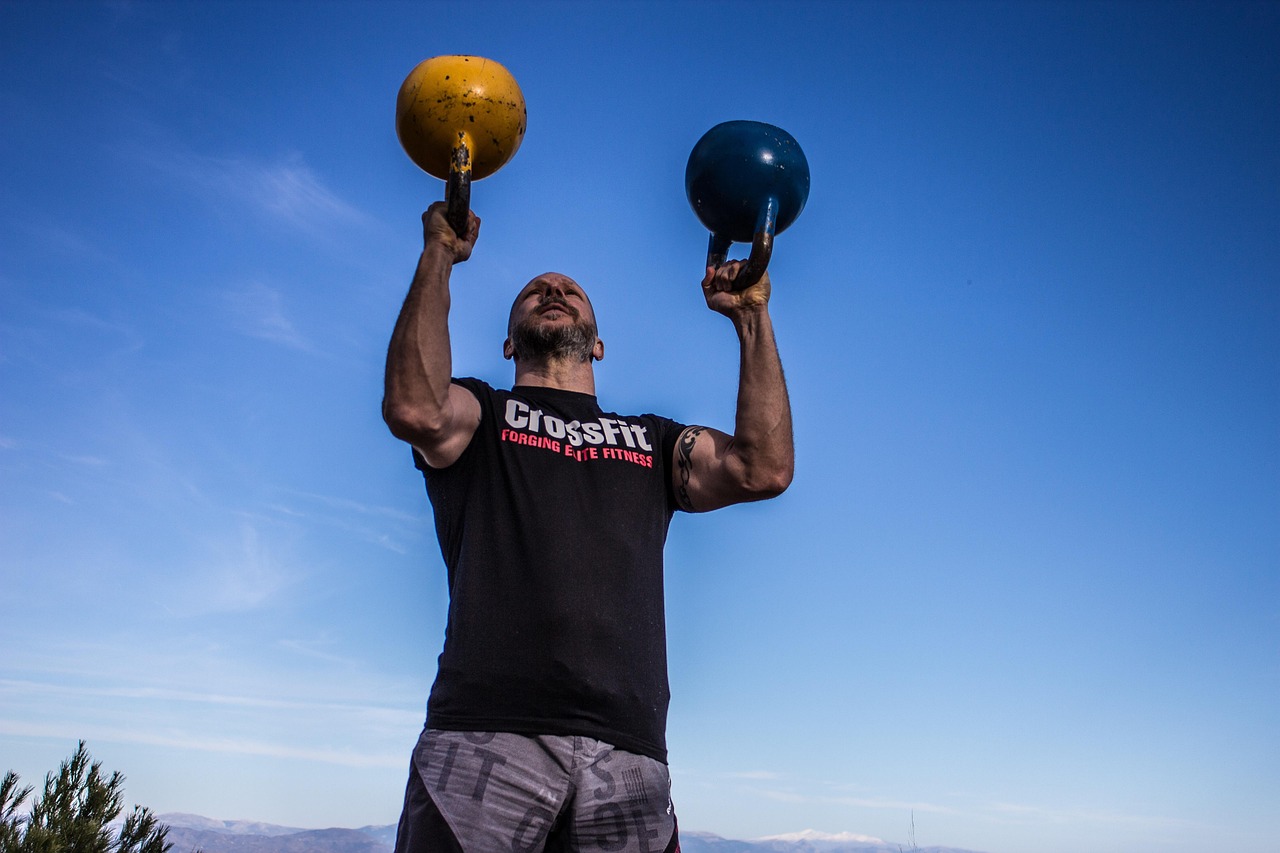

Customizing Kettlebell Routines Based on Your Fitness Level
When it comes to kettlebell training, recognizing your fitness level is critical for achieving optimal results. Beginners often benefit from focusing on foundational exercises to build strength and develop proper form. Starting with lighter kettlebells allows for gradual progression while minimizing the risk of injuries. For those new to kettlebell training, consider beginning with basic swings, goblet squats, and deadlifts. After mastering these movements, you can diversify your routine by incorporating more complex exercises. Assessing your current fitness level includes evaluating your strength, endurance, and overall experience with kettlebell-based workouts. If you’re unsure about your starting point, seek guidance from a certified fitness professional. Additionally, listen to your body during workouts. If an exercise feels too challenging, it may be a good idea to scale back and focus on mastering techniques first. Always keep safety and proper form as a top priority during training. This approach helps in building a solid foundation upon which you can progressively increase the intensity and complexity of your workouts. Committing to incremental progress ensures a more effective kettlebell training experience over time.
As you move on from the beginner stage, you might find that your fitness goals shift, necessitating more tailored kettlebell routines. Intermediate exercisers should aim to enhance strength while focusing on endurance, agility, and flexibility. A well-rounded kettlebell routine for this level might include complex moves such as kettlebell snatches, Turkish get-ups, and one-arm swings. Incorporating these into your routine helps to engage various muscle groups while improving coordination. You might want to aim for a balanced approach by alternating between strength workouts and those focusing on more explosive movements. This diverse training not only keeps workouts engaging but also prevents plateaus. Gradually increasing kettlebell weights helps stimulate muscle growth and provides necessary challenges for your body. More importantly, consider incorporating high-intensity interval training (HIIT) principles to increase the intensity of your workouts. Short bursts of maximum effort followed by rest periods can significantly enhance your cardiovascular fitness. Remember to constantly evaluate your progress and set new goals to guide your training. This way, you ensure that your kettlebell routines remain relevant to your evolving fitness level and overall objectives.
Advanced Techniques for Kettlebell Training
For advanced kettlebell users, routines should focus on refining technique and achieving specific fitness goals. At this stage, you’re likely familiar with various kettlebell exercises, making it essential to introduce advanced techniques. Incorporating double kettlebell movements, such as double cleans and presses, can offer an increased challenge to your strength training. Advanced users can experiment with complex flows, seamlessly transitioning from one exercise to another, thereby boosting coordination and functional strength. Also, integrating plyometric movements, like kettlebell jumps and swings, can enhance power and explosiveness, benefiting athletes across various sports. It’s important to embrace functional training principles, which emphasize exercises that improve everyday movements and athletic performance. Advanced routines can also include strategic periodization – alternating periods of high intensity with recovery phases to optimize strength gains. Additionally, implement workout variations with different tempos to increase time under tension, which can promote muscle hypertrophy. Engaging in community challenges or competitions can also inspire growth and foster motivation. As always, focus on maintaining proper form, ensuring your body can safely handle the complexity of these advanced kettlebell workouts.
Another essential aspect of customizing kettlebell routines by fitness level involves incorporating rest and recovery into your regimen. All fitness enthusiasts benefit from adequately scheduled rest to allow muscle recovery and growth. Ensure you’re allowing proper intervals between kettlebell workouts to prevent overtraining and enhance overall performance. Listening to your body is crucial. Signs of fatigue or soreness suggest that your body requires rest. Incorporating active recovery days can also be highly effective. Engaging in low-impact movements like yoga or walking can keep you active while facilitating recovery. Additionally, integrating cross-training activities like swimming or cycling can provide variations in your workouts without stressing the same muscle groups consistently. Post-workout nutrition plays a vital role in recovery as well. Ensuring adequate protein intake and hydration after workouts allows your body to recuperate effectively. Additionally, consider utilizing foam rolling or stretching techniques to alleviate muscle tightness and improve flexibility. Consistent attention to recovery practices will ultimately lead to better resilience and improved performance in your kettlebell routines. Putting into practice these recovery strategies will significantly enhance your overall training experience and progress.
Tracking Progress and Setting Goals
Customizing kettlebell routines also involves careful tracking of both your progress and setting achievable goals. Documenting your workouts, weights, sets, and repetitions can highlight improvements over time. Using fitness apps or journals helps easily visualize progress and allows for adjustments to your routines based on performance. Setting specific, measurable, attainable, realistic, and time-bound (SMART) goals can facilitate better focus during your kettlebell workouts. For example, you could aim to improve your kettlebell swing weight or increase your total workout time within a specified period. Additionally, it is vital to celebrate small victories along the way as a term of encouragement. This approach creates a sense of achievement, motivating you to tackle new challenges. Regular reassessment of your goals is also essential; as your fitness advances, objectives may require modification to remain relevant. Furthermore, consider seeking a workout buddy or accountability partner who can provide motivation and support. Engaging with communities or online forums dedicated to kettlebell training can foster a shared sense of camaraderie. Creating an environment of encouragement will help sustain motivation and commitment to your customized kettlebell regiment.
The key to successfully customizing kettlebell routines also hinges on the diversity of exercises implemented into your training program. A well-structured routine should combine different movements targeting various muscle groups to prevent routine stagnation. Incorporate a combination of ballistic and grind movements in your regimen. Ballistic movements, like swings and snatches, are explosive and provide cardiovascular conditioning. On the other hand, grind movements such as presses and deadlifts focus on building strength. By integrating both types, you can create a balanced workout promoting overall fitness. Additionally, consider varying workout durations and styles, such as circuit training or tiered sets, to further engage your body. This approach not only enhances the physical challenge but also keeps workouts genuine and exciting. Add variations in set structures, like supersets or drop sets, to stimulate muscle growth. Feel free to experiment with different rest intervals and tempos in your kettlebell workouts. This adaptation keeps workouts fresh and dynamic while also preventing plateaus in your progress. Strive for ongoing exploration in exercise routine while prioritizing safety and proper form throughout your kettlebell practice.
Conclusion and Consistency
In conclusion, customizing kettlebell routines based on your fitness level is essential for achieving desired results. Whether you are a beginner, intermediate, or advanced kettlebell user, understanding how to create appropriate workouts that align with your goals is crucial for long-term success. Regularly assessing your fitness level, implementing diverse routines, and allowing for recovery will contribute significantly to your progress. Remember to track your achievements and celebrate milestones to keep motivation high. As you embark on this kettlebell journey, focus on building a community presence to share challenges and insights. Your growth will be further enhanced through continuous education on techniques and new exercises. Ultimately, maintaining consistency in training not only strengthens your physical capacity but instills discipline in everyday life. With patience and dedication, kettlebell routines can significantly transform your fitness journey. Gain confidence and competence in your workouts by personalizing your training experience. Develop a mindset rooted in resilience and adaptability. The fusion of commitment and creativity will propel you to harness the full potential of kettlebell training, ensuring that your fitness aspirations are realized and surpassed.
Upscaling your kettlebell routine is an exciting journey. Remember to have fun!