
Cross Training Benefits for Recovery
Cross training is crucial for trail runners during recovery periods, as it aids in muscle recovery and improves overall fitness. Engaging in different forms of exercise helps to alleviate muscle stiffness that can occur after long runs. Activities such as swimming, cycling, and yoga allow runners to maintain cardiovascular fitness without the impact of running. By incorporating cross training into the recovery routine, the body can heal while still engaging in physical activity. This multi-directional approach not only prevents injuries but fosters the development of strength in various muscle groups. Moreover, it offers a change of scenery and reduces mental fatigue often associated with repetitive running. Many athletes find that it provides a great stress relief and mental reset, ultimately enhancing their running performance when back on the trails. Incorporating cross training can also develop body awareness, improving balance and coordination essential for navigating challenging trail terrains. With a structured cross training schedule, trail runners can recover more efficiently and come back stronger and more resilient. Consequently, taking a comprehensive approach to recovery through cross training is beneficial for long-term trail running achievements.
Popular Cross Training Activities
When considering effective cross training for trail runners during recovery, several activities stand out for their numerous benefits. Swimming is frequently recommended because it provides a full-body workout while being gentle on the joints. Cyclists often enjoy cycling on flat roads or stationary bikes, allowing for aerobic conditioning without impact. Yoga is another cherished activity, focusing on flexibility, breathing, and mindfulness, essential for mental rejuvenation. Pilates enhances core stability helping to maintain strong posture during trail runs. Strength training is vital for injury prevention; bodyweight exercises or resistance training can build the muscles that support running. Incorporating these diverse activities ensures that recovery workouts remain enjoyable while still challenging the body in new ways. Moreover, engaging in group classes can provide social interaction, further improving motivation and adding a layer of fun to the routine. With the right balance of these activities, trail runners not only recover effectively but also develop skill sets beneficial for tackling further challenges. Adopting a well-rounded approach in recovery can enhance performance, making these activities worth integrating into the routine.
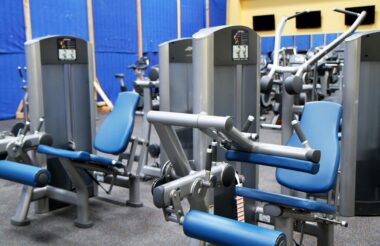
Strength training is essential during recovery, ensuring that muscle imbalances are corrected while promoting overall endurance. Lifting weights or using resistance bands helps develop the muscles needed to conquer the trails. Bodyweight exercises such as squats, lunges, and planks can be effective alternatives to gym sessions. Runners should focus on low-impact exercises that strengthen major muscle groups while being mindful of their recovery. This training can also boost the supportive muscles surrounding the knees and ankles, which are critical in preventing injuries when back on the trail. Scheduling strength training sessions two to three times a week aids in maintaining muscle balance, allowing runners to work on overall body strength. Furthermore, integrating explosive exercises like box jumps or kettlebell swings enhances power without causing excessive strain. By respecting the body’s recovery needs and focusing on strength-building techniques, trail runners can set themselves up for long-term success. Additionally, seeking advice from a professional trainer can further personalize and improve training outcomes, ensuring alignment with specific recovery needs.
Flexibility and Mobility Exercises
Enhancing flexibility and mobility is another effective component of cross training for recovery in trail runners. Incorporating stretching routines or dynamic warm-ups improves the range of motion in joints and promotes muscle elasticity. Cold or static stretches can be performed post-workout to soothe tight muscles, while dynamic stretches should be integrated before workouts to prepare the body for activity. Foam rolling is a fantastic way to alleviate muscle tightness and keep tissues healthy. Mobility work, including controlled movements through various ranges of motion, is essential for trail runners. Exercises such as hip openers or shoulder dislocates help maintain functionality and reduce the risk of injuries. These routines encourage proper movement patterns essential for navigating uneven terrain. Practicing yoga can further encourage deeper flexibility while promoting mental focus, which is particularly beneficial after intensive running sessions. Targeting these areas in a recovery plan helps to counteract the stiffness that can result from long-distance runs. Ultimately, a commitment to improving flexibility and mobility plays a significant role in ensuring the longevity of a trail running career.
Nutrition is a vital component of the recovery process for trail runners. Proper hydration and nutrient timing significantly influence performance and recovery. Consuming adequate amounts of carbohydrates before and after workouts replenishes glycogen stores essential for maintaining energy levels. Protein intake is crucial for muscle repair, so runners should focus on high-quality sources, such as lean meats, fish, legumes, and plant-based options. Additionally, healthy fats contribute to overall energy and can aid in reducing inflammation after strenuous exercises. Whole foods should be prioritized, providing essential vitamins and minerals. Knowing when to refuel is essential; consuming a recovery meal or snack within 30 minutes post-exercise maximizes muscle recovery. This is a great opportunity to consume nutrient-dense foods that cater to individual preferences. Trail runners may also explore using supplements to support their nutritional needs but must consult a healthcare professional before adding anything new to their diet. With the right nutrition focused on the goals of recovery, trail runners can ensure that their body stays healthy and ready for future challenges.
Rest and Recovery Practices
In the trail running community, adequate rest and recovery practices cannot be overstated. While cross training is beneficial, one must also allow time for the body to heal and adapt. Ensuring regular rest days is essential; overtraining can lead to decreased performance and increased injury risk. Sleep quality plays a crucial role in the recovery process, as it is during sleep that the body regenerates muscle tissue and repairs itself. Trail runners should aim for 7-9 hours of restorative sleep each night, setting a consistent sleep schedule. Developing a post-training routine that includes activities like gentle stretching or meditation can promote relaxation and enhance recovery. Utilizing recovery tools, such as massage or compression garments, can also be highly beneficial. Recognizing the signs of fatigue and adjusting training loads accordingly empowers runners to make informed decisions about their recovery regimen. Listening to the body and providing adequate time for both physical and mental rehabilitation can foster a more sustainable running journey. Ultimately, integrating sound recovery practices is fundamental to achieving long-term success in trail running.
As trail runners navigate the recovery phase, incorporating mindfulness practices into the routine can enhance mental well-being and promote a positive outlook. Mindfulness techniques like meditation or focused breathing help runners manage stress and anxiety, creating an optimal space for recovery. Engaging in guided meditation or yoga sessions is an excellent way to integrate mindfulness into regular training while focusing on the body’s sensations and experiences. By connecting the mind and body, runners can deepen their awareness of fatigue and tension, fostering better recovery strategies. Moreover, mindfulness encourages a more grateful perspective towards the process of training, thus making the recovery period feel intentional and purposeful rather than simply downtime. This mindset shift can significantly impact motivation levels when returning to running. Implementing mindfulness practices helps to create mental resilience, which is just as vital as physical training in a trail running journey. With both body and mind nurtured during recovery, runners are better equipped to face the challenges that lie ahead on their trails. Ultimately, a holistic approach to recovery combining both mental and physical practices will yield the best results.
In conclusion, a comprehensive approach to cross training during recovery offers myriad benefits for trail runners. By focusing on strength, flexibility, mobility, nutrition, rest, and mindfulness, runners can enhance their recovery experience. Each of these elements contributes to building a more resilient body and a positive mindset. Engaging in a variety of cross training activities provides a refreshing break from running while maintaining fitness levels. Runners who prioritize recovery will enjoy long-term performance improvements and reduced injury risks. Allowing adequate time for recovery is critical to ensure athletes can return to the trails stronger than ever. With careful planning and mindful practices, runners can make the most out of their recovery periods, setting the stage for future success. Ultimately, the journey of a trail runner is a holistic experience, melding physical prowess with mental fortitude. By embracing the various aspects of cross training during recovery, long-term benefits become evident, leading to enhanced enjoyment and achievement in the trail running lifestyle. Therefore, investing in recovery strategies empowers runners to thrive and enjoy every step of their unique trail running adventures.