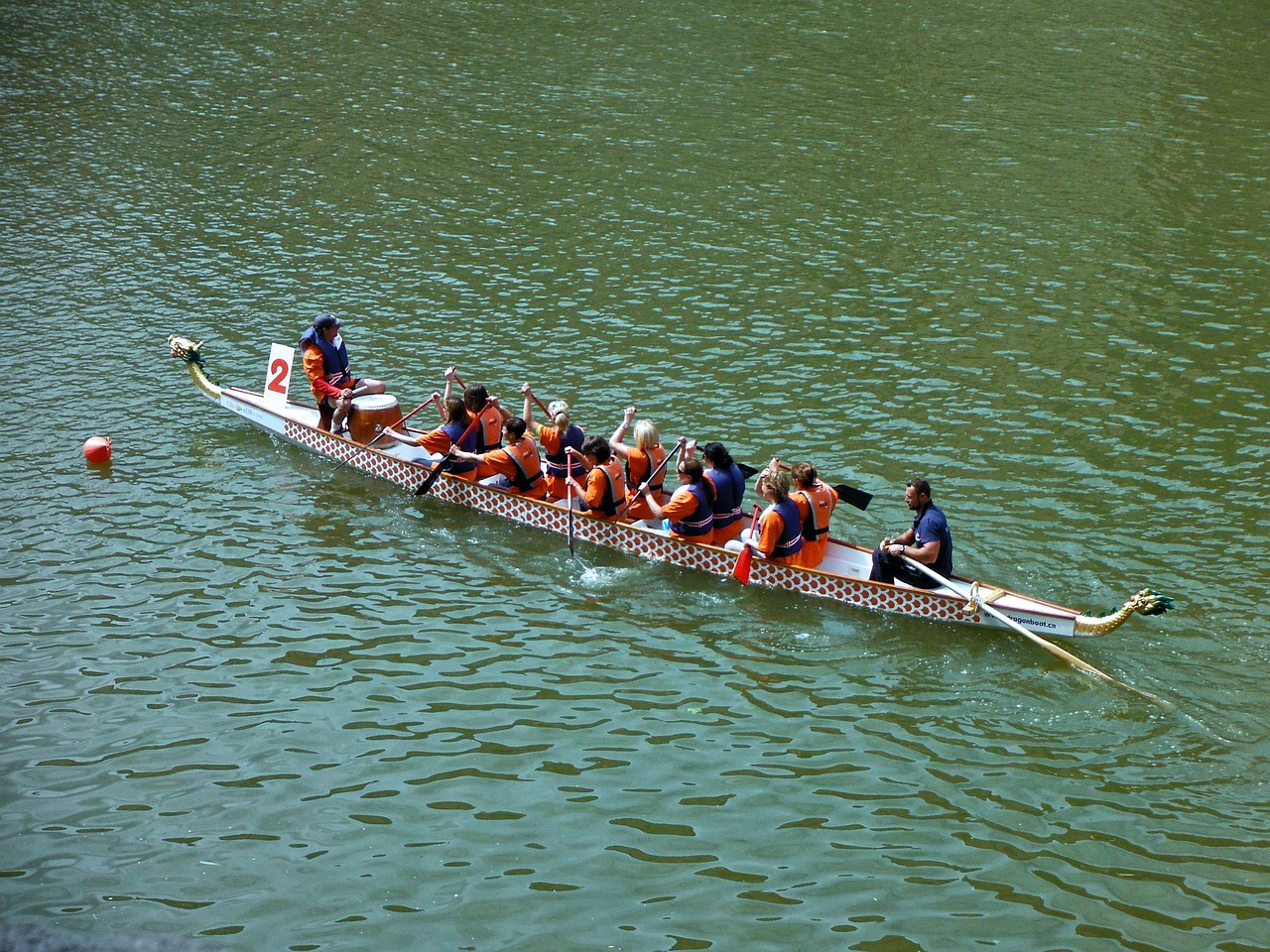

Famous Rowing Teams in Asian Rowing History
Rowing has a rich history in Asia, with several teams gaining international fame through their impressive performances. One notable team is the Japanese national rowing team, which has made significant strides in the sport. Established in the late 19th century, they have participated in Olympic competitions, showcasing their skills and dedication. Another prominent team is the Chinese national rowing team, which has achieved remarkable success on the world stage. They have consistently earned medals in various events and have established a robust rowing program. South Korea’s team cannot be overlooked, either. They have excelled in several rowing championships, showcasing a commitment to excellence in training and competition. These teams represent the passion and intensity of rowing in Asia, and their contributions continue to inspire many. Additionally, countries like India and Thailand have also developed strong rowing programs, participating in regional competitions while striving for Olympic glory. The future of rowing in Asia looks bright, with new talent emerging across various nations. As these countries invest more in rowing infrastructure, the level of competition will continue to rise, leading to an ever-stronger presence in international rowing events.
In recent years, the rowing scene in Asia has seen substantial growth, with countries investing more in grassroots initiatives and training facilities. The development of programs aimed at young athletes is crucial for sustaining success over the long term. In particular, Japan has developed various youth rowing clubs that nurture young talent in a competitive environment. Events like the Asian Rowing Championships have become popular, showcasing the continent’s best teams, including the champion crew of Kazakhstan, which is also gaining a reputation. Furthermore, nations like the Philippines have invested in building up their rowing community, creating a pathway for aspiring rowers to train and compete. The commitment to coaching excellence and athlete development is reflected in the rising number of Asian rowing athletes participating in international competitions. Additionally, Japan and China have even formed rowing exchanges and collaborative programs to enhance techniques and strategies. Coaches from various countries come together to share their knowledge, further elevating the sport’s competitive standard. Overall, the collaborative efforts and investments in this sport across Asia bode well for the future of rowing and the enhancement of team performances.
Outstanding Achievements of Asian Rowing Teams
Asian rowing teams have made significant impacts during international competitions, showcasing their talent and determination. The Chinese national team remains one of the most successful teams in the history of Asian rowing. Having secured numerous medals at the Olympics and world championships, they are a strong competitor against other leading nations. Their lightweight men’s quadruple sculls crew has been particularly successful, setting records that stand as benchmarks for others. The Japanese national team is another powerhouse, producing world-class athletes who consistently compete at high levels. Their women’s team has notably excelled in sculling events, earning slots in prestigious rowing competitions. The South Korean team has similarly distinguished itself, particularly in women’s rowing. They recently claimed a gold medal at the Asian Games, signaling their growing prominence in the sport. Furthermore, teams from India have also been diversifying their rowing talents, helping to grow interest in rowing across the region. As these teams continue to build on their successes, they are creating inspiring narratives that motivate youth to engage in rowing as a competitive sport and leisure activity.
Training regimens among these teams are intensive and focus heavily on teamwork, technique, and conditioning. Rowers spend countless hours on the water as well as in physical training programs tailored to their sport. Nutritional education is also crucial for enhancing performance and recovery. The collaboration between athletes and coaches ensures that they remain competitive on the global stage. Furthermore, specialized camps and training sessions are regularly organized to keep athletes in peak physical condition. Many of these rowing teams have access to advanced technology, such as performance monitoring systems, which help analyze their techniques and track progress. This innovative approach aids in refining their skills and strategies for upcoming competitions. The introduction of sports science into their training routines has played a critical role in elevating their performance. New athletes regularly join programs specifically designed to cultivate their natural abilities while maintaining a focus on the unification of crew dynamics. As these rowing teams continue to innovate and adapt, their prowess will likely influence the broader rowing community and instill a competitive spirit that drives success.
The Role of Community and Support in Rowing
The significance of community support cannot be overstated when it comes to the success of rowing teams. In many countries throughout Asia, rowing clubs play an essential role in developing athletes from a grassroots level. These clubs organize local events, provide access to coaching, and foster camaraderie among rowers. Parents, local businesses, and community organizations often contribute to the funding of these programs, ensuring that young rowers have the resources they need to excel. In China, initiatives to promote rowing through school programs have seen significant results, leading to a growing interest in the sport among youth. The organization of community races generates excitement around rowing and encourages younger generations to participate. Furthermore, media coverage of local events elevates awareness and brings supporters together. Teams that connect with their communities often find the financial and moral support that is vital for their training needs. Overall, the unity among rowers, their coaches, and their communities significantly impacts each team’s ability to thrive and compete on regional and international stages.
Corporate sponsors and partnerships also play a crucial role in enhancing the development of rowing in Asia. Brand sponsorships offer financial assistance, allowing teams to access better training facilities, equipment, and travel opportunities. Companies are increasingly recognizing the value of aligning with teams that promote health, teamwork, and resilience; in return, teams benefit from the exposure and financial stability that corporate partnerships provide. Some rowing teams have established long-term partnerships with major brands, resulting in an enhanced experience for athletes. Sponsorships can cover everything from elite training camps to high-quality rowing shells, thereby directly impacting performance. These partnerships foster innovation and learning, creating opportunities for rowers to benefit from their sponsors’ vast experience. Furthermore, fundraising events, organized by rowing teams, invite community participation and add an additional layer of support. As these partnerships continue to grow, the future of rowing in Asia will likely be brightened by the additional resources and opportunities accompanying this collaboration. Ongoing support from local and international businesses will nurture the sport and contribute to the success of its teams.
The Future of Rowing Teams in Asia
The future of rowing teams in Asia appears promising as they gain momentum in regional and global competitions. A greater emphasis on training programs and athlete development is evident, leading to more competitive teams across the continent. This growth comes with its unique challenges yet also reveals opportunities for expanded rowing initiatives. New collaborations will foster athletic exchanges and knowledge sharing among different countries. As rowing continues to evolve, the implementation of diverse training methods will likely emerge. Innovative practices, such as adaptive rowing, which encourages inclusivity, promote participation among diverse groups and drive greater growth. Further, Asian rowing teams are also increasingly investing in technology to assess performance, leading to enhanced competitive outcomes. Families and local communities are also being drawn into this sport, providing moral support and allowing rowers the motivation needed to pursue excellence. Additionally, as rowing becomes a more recognized sport globally, countries in Asia are more inclined to open pathways to Olympic participation for aspiring rowers. With this trajectory for success, it’s clear that future Asian rowing teams will continue to pride themselves on talent, dedication, and exceptional performance in world-class competitions.
In essence, Asian rowing teams continue to redefine their boundaries while striving for global recognition. With a legacy of dedication, teamwork, and progressive coaching strategies, these teams are actively contributing to the vibrant culture of rowing across the region. Emerging rowers embody aspirations fueled by the achievements of their predecessors, illustrating the cyclical nature of success in sports. Comprehensive training approaches and communal support intertwine to enhance athletes’ performance and promote the sport further. As more nations invest in rowing, it’s expected that we will witness heightened competitiveness among Asian teams at upcoming international events. Additionally, the increasing visibility of rowing in media coverage will inspire new recruits into the sport, further expanding its reach. The dynamic changes in Asian rowing will likely trigger substantial admiration for the sport, enticing young talent to join local clubs and pursue aspirations of athletic achievement. In conclusion, the synergy of community support, corporate sponsorship, and passionate athletes ensures that Asian rowing teams are poised for greatness in the years to come, setting higher benchmarks in the evolving world of competitive rowing.