
HIIT Group Classes for Athletes: Enhancing Performance
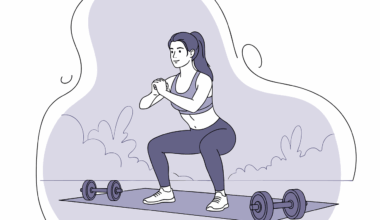
High-Intensity Interval Training (HIIT) has become a cornerstone for athletes looking to boost their overall performance through efficient workouts. These classes typically consist of short bursts of intense exercise, followed by rest periods, which help improve cardiovascular fitness and build muscular strength. HIIT is an effective way to maximize athletic performance while minimizing workout time. By incorporating a variety of exercises, athletes can engage different muscle groups and enhance endurance. Common exercises in HIIT include sprints, jump squats, and burpees, all designed to push your limits. This method not only enhances physical conditioning but also engages the mind, making workouts more enjoyable and engaging. In HIIT group classes, athletes benefit from a shared experience, motivating each other while challenging their capabilities. Furthermore, workouts are often led by skilled trainers who can provide personalized insights, ensuring proper form and technique, which can prevent injuries. Stretching and cooldown techniques are equally emphasized to promote recovery. By participating in HIIT classes, athletes are more likely to achieve their personal bests, making these training sessions an essential part of their routine.
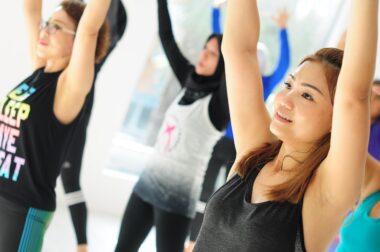
HIIT group classes offer athletes a unique environment that fosters motivation and support. The collective energy generated within a group setting can significantly enhance performance. Athletes often find it easier to push through intense physical challenges when surrounded by like-minded individuals. This atmosphere of camaraderie and accountability encourages each participant to give their best effort. Trainers play a crucial role in these classes, ensuring workouts are tailored to various skill levels while also promoting safety. Feedback on technique and performance enables athletes to improve continuously, which is vital for reaching their personal goals. These structured classes also facilitate networking, allowing athletes to foster relationships with peers who share their commitment to fitness. Creating friendships within this environment can lead to greater dedication and loyalty to fitness goals. Furthermore, HIIT classes are not just limited to experienced athletes; beginners can also benefit significantly from these high-energy sessions. Adjustments can be made for individuals new to training, helping them acclimate before tackling more advanced workouts. This inclusivity ensures that everyone finds a place in HIIT classes, empowering athletes of all levels to enhance their performance.
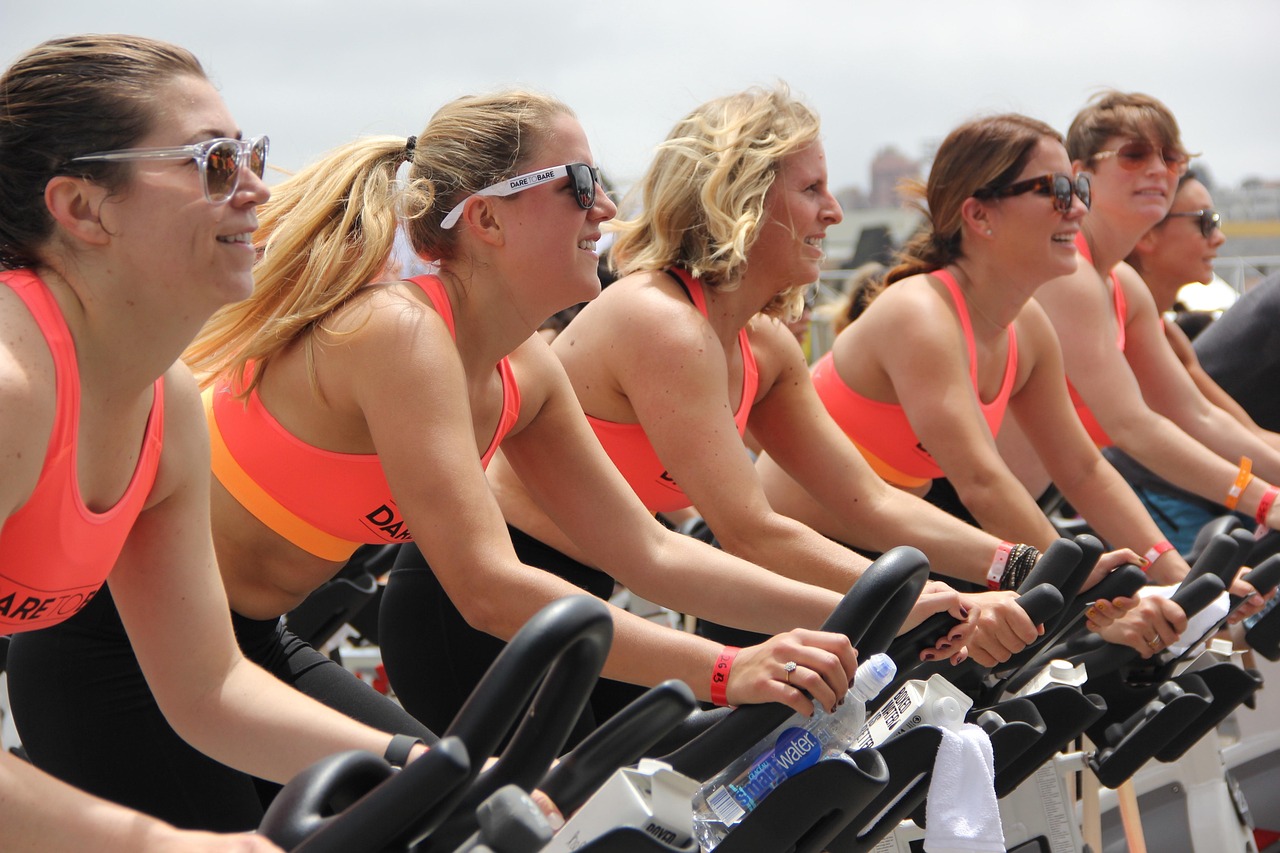
The versatility of HIIT group classes allows for a variety of training modules and exercise routines. This diversity can keep workouts fresh and engaging, reducing the risk of monotony that often comes with traditional workout plans. Classes can incorporate elements like cycling, resistance training, or even martial arts, providing athletes with a comprehensive fitness experience. Additionally, varying the intensity levels means each session can target different fitness aspects, such as strength, speed, or endurance. For instance, a workout might focus on explosive power one day, while the next could emphasize agility and coordination. Such varied approaches are essential for athletes looking to build a well-rounded fitness foundation. Moreover, including equipment such as kettlebells, battle ropes, or plyo boxes can add exciting challenges, continually pushing athletes to adapt and improve. Ensuring that no two classes are the same also enhances retention; participants are more likely to return to classes that offer new experiences. The opportunity to participate in different exercises keeps motivation high and promotes a greater understanding of fitness principles. Athletes must embrace this versatility as they strive to overcome limitations while being part of an ever-evolving training environment.
In addition to physical benefits, HIIT group classes provide mental stimulation that translates to superior athletic performance. The intense nature of these workouts can help reduce stress and improve focus. During a high-intensity workout, endorphin levels increase, leading to a stronger sense of accomplishment and highlighting the mind-body connection essential to athletes. Mental resilience is vital for success in competitive sports, and HIIT classes support this development. As athletes push through challenging workouts, they learn to conquer discomfort and fear, fostering a greater sense of confidence. Furthermore, routine participation in HIIT classes develops discipline—self-management skills that are crucial for training longevity. This mental fortitude can be referenced during competitions, where tough situations often arise. Cultivating a positive mindset is essential for any aspiring athlete, and group classes offer an ideal environment for practicing such skills. Engaging discussions and shared triumphs encourage a culture of support and perseverance, which can carry over into competition scenarios. Athletes must leverage this psychological edge to achieve their performance aspirations. Ultimately, the mental gains gained through HIIT group classes can be as significant as physical improvements.
HIIT group classes are designed not just for competitive athletes but also for those aiming to improve general fitness. This inclusivity provides a broader perspective on the importance of versatility in training. Athletes at different levels can join together, making these classes a community effort towards achieving health and fitness goals. This diversity is crucial because it allows experienced athletes to mentor and inspire newcomers, fostering a sense of belonging and shared purpose. Moreover, witnessing the progress of others can motivate participants on their journeys, sparking a chain reaction of dedication and hard work. For many, these dynamic classes serve as a vital support system that goes beyond physical training. This transformation is often underscored by personal stories and achievements that participants share, creating an emotionally rewarding experience. Additionally, HIIT classes can help break down the barriers that sometimes deter individuals from participating in fitness programs. Social elements, such as teamwork and encouragement, make it easier for everyone, regardless of experience, to feel confident in their abilities. This nurturing environment motivates many to challenge themselves and embrace the process of improvement.
When athletes integrate HIIT group classes into their training regimen, they often witness noticeable improvements in several performance metrics. These enhancements can include increased speed, agility, and cardiovascular health, contributing to overall athletic prowess. Improved endurance, for example, allows athletes to maintain a higher level of performance throughout longer duration events. As physical conditioning improves, recovery times often decrease, enabling athletes to train more frequently with lower injury risks. These adaptations are key components in elevating performance on the field or court. Eventually, this leads to improved scores and competitive outcomes. Incorporating facility options such as tracks or open areas for structured drills further enhances the effectiveness of HIIT workouts. By extracting maximum value from every session, athletes can effectively harness their time in training to methodically build strength and stability. Personalized goals and performance tracking systems increase motivation and foster a culture of accountability within classes. Progress metrics can easily be shared, creating a competitive spirit that helps instill determination among participants. As improvements begin to materialize, athletes are likely to become even more invested in their goals, driving the motivation to attend classes regularly.
In conclusion, HIIT group classes offer athletes a multifaceted approach to enhancing performance through improved physical conditioning, mental resilience, and community support. From their design to their execution, these classes cater to the diverse needs of participants at various fitness levels. The collective environment fosters camaraderie and mutual motivation, ensuring that everyone is encouraged to strive for their best. Additionally, the mental benefits gained through such high-intensity training are pivotal for cultivating confidence and discipline. Strategies like personalized tracking and a variety of exercises keep the training experience thrilling and worthwhile. Athletes who actively engage in HIIT group classes often find themselves surpassing their personal bests, realizing that consistent effort and dedication pay off. The dynamic nature of these workouts, combined with effective coaching and peer support, transforms individual training into a collective journey toward excellence. As athletes embrace this innovative training methodology, they not only enhance physical capabilities but also build the mental fortitude necessary for competitive success. HIIT group classes are indeed an investment into one’s fitness future, propelling athletes towards achieving greater heights.
To make the most of HIIT group classes, athletes should prioritize their nutrition and recovery strategies as well. Proper nutrition supports the body’s physical demands during intense workouts, ensuring sufficient energy levels for optimal performance. Hydration also plays a crucial role in sustaining energy and preventing fatigue throughout classes. Athletes will benefit from incorporating healthy macronutrients in their pre- and post-workout meals, focusing on complex carbohydrates, lean proteins, and healthy fats. This attention to nutritional needs amplifies the effectiveness of HIIT training. Furthermore, understanding the importance of rest and recovery after intense training cannot be overlooked. Allowing time for muscle repair and restoration helps prevent overtraining and keeps athletes feeling fresh for subsequent workouts. Engaging in active recovery methods like stretching and foam rolling further enhances overall fitness. Athletes should remain proactive in discussing their experiences with trainers, asking for tailored advice on both nutrition and recovery, which are essential components for success. Coordination of these elements can create a well-rounded training routine that enhances performance and aids in reaching long-term athletic goals. Ultimately, a balanced approach to fitness will yield sustained improvements, making HIIT group classes an integral part of achieving peak athletic performance.