
Adapting Yoga for Cesarean Delivery Recovery
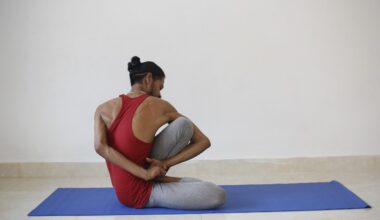
Postnatal yoga can greatly benefit new mothers, especially those who had cesarean deliveries. After a C-section, it is crucial to allow the body time to heal while gradually reintroducing movement. Gentle yoga postures can aid recovery by enhancing flexibility and promoting relaxation. It is essential to focus on deep, mindful breathing throughout each session as this helps connect the mind and body. New mothers should begin with restorative poses that engage the core and pelvic floor subtly without putting too much strain on the incision site. Simple practices like seated forward bends or supported twists emphasize gentle stretching. Always listen to your body and modify poses as needed.
Engaging in yoga also offers emotional support during this transition. New mothers may experience mixed feelings after the birth. Activities such as meditation within yoga can help cultivate mindfulness and reduce anxiety. Incorporating mental relaxation can make a significant difference in overall well-being. Consider integrating visualization techniques with breathing exercises. They provide a supportive framework for handling emotions surrounding motherhood. Joining a class with experienced instructors helps ensure the postures are adapted to one’s unique recovery journey. This also enhances the experience with a sense of community, which is invaluable for new moms.
Gentle Yoga Postures for Recovery
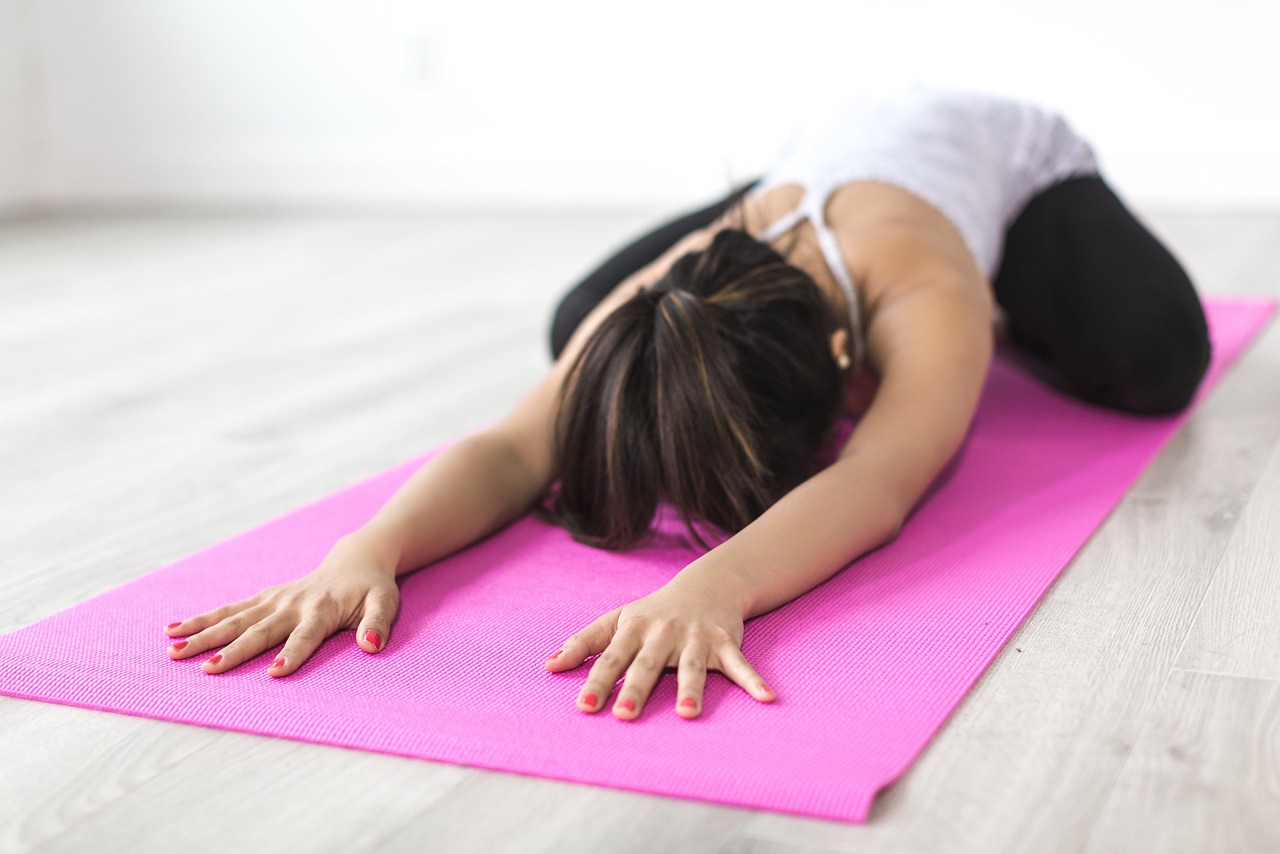
Several specific yoga poses can support recovery after cesarean delivery. Start with Cat-Cow stretches to incrementally improve spine mobility and encourage gentle abdominal engagement. Tailor these movements to maintain comfort without stress on the incision. Additionally, Child’s Pose offers a deep stretch for the back and can relieve tension. Always perform each motion with mindfulness, honoring your body’s signals. Poses like Legs-Up-The-Wall can support circulation while providing a deep sense of relaxation. This pose is especially beneficial as it allows for recovery while encouraging a balanced emotional state. Finally, always consult a healthcare professional before starting any new practice.
In addition to physical benefits, yoga encourages building a toolkit for coping with post-surgery challenges. Mothers can experience limited mobility and fatigue. Gentle stretches can assist in overcoming these common issues. They may feel invigorated while gradually rebuilding strength. Incorporating props, like bolsters or blankets, can make poses more accessible. Soft supports enable mothers to find comfort, thus fostering a sense of safety during practices. As the body heals, gradually increasing the complexity and duration of sessions can emphasize growth while respecting boundaries set by healing. Focus on creating a personal practice that resonates deeply with your journey.
Breathwork and Its Importance
The art of breathwork plays a pivotal role in yoga practice, particularly post-cesarean. Deep, intentional breathing aids relaxation and promotes healing. Establishing a mindful breathing routine can alleviate stress and create a calming atmosphere. New mothers should be encouraged to integrate this practice into their daily life. Breathing deeply while engaging the diaphragm stimulates circulation and nurtures a sense of overall wellness. Techniques such as alternate nostril breathing focus the mind and facilitate emotional balance. Furthermore, the act of conscious breathing reduces tension and improves focus, allowing mothers to embrace the essence of motherhood with grace.
When attending a postnatal yoga class, mothers should communicate specific concerns with instructors. Professors familiar with cesarean recovery can suggest appropriate modifications that accommodate individual needs. Workshops focused on postnatal recovery may assist mothers in connecting with others who’ve experienced similar challenges. It can foster a sense of community and support. Those engaging in regular classes build friendships, share stories, and motivate one another. Finding a supportive environment leads to enhanced physical and emotional recovery. Ultimately, practicing yoga encourages a deeper connection with oneself, promoting healing from within, both physically and emotionally post-delivery.
Consistency is Key
Building a consistent yoga practice is vital for long-lasting benefits after cesarean delivery. Establishing a daily or weekly routine allows for incremental progress. Gradually increasing the difficulty of postures while focusing on gentle movement will support overall recovery. By keeping an open mind and a non-competitive attitude, mothers will notice improvements with each session. Using online resources, recorded classes, or local sessions can make this easier. Such accessibility helps maintain engagement and motivation, making yoga a cherished part of the recovery journey. Savoring the time dedicated to self-care is truly a gift for new parents.
Finally, it is essential to celebrate small victories throughout the recovery journey. Each new pose mastered, or additional breath held, signifies strength and resilience. Acknowledging these milestones creates a positive mindset surrounding the journey. Establishing a reflective practice, such as journaling after yoga sessions, enhances self-awareness, reinforcing a sense of accomplishment and self-love. It’s crucial for mothers to be gentle with themselves, understanding that healing takes time. Surrounding oneself with support, practicing yoga, and prioritizing mental well-being create an army of strength. As each day passes, mothers will find themselves embracing motherhood wholeheartedly, bolstered by yoga’s healing influence.