
Core Warm-Up Exercises for Runners and Cyclists
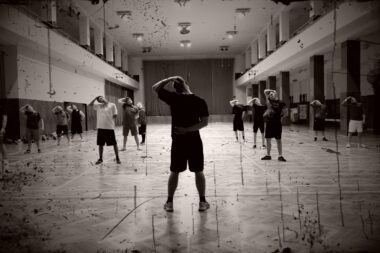
Warming up effectively is crucial for runners and cyclists. It prepares your muscles, increases blood flow, and reduces the risk of injuries. For runners, incorporating dynamic stretching and core-focused movements into their warm-up ensures they’re ready for their stride. Begin with the classic bodyweight exercises like high knees or butt kicks, which stimulate blood circulation through the legs. Dynamic stretches, such as leg swings, enhance flexibility. Focus on exercises targeting the core as well, such as planks and side lunges, essential for stability. Runners should focus on engaging their core to improve posture and efficiency. Conversely, cyclists should also prioritize core strength as it greatly affects cycling performance. Strong core muscles stabilize the body when cycling, making the ride smoother. Include core warm-up exercises like bicycle crunches or Russian twists to ensure that those muscles are activated. Pay particular attention to your hip flexors through a range of mobility exercises. Don’t forget to engage your glutes as well. Activating these areas helps maintain balance through your core, facilitating better overall performance.
Effective core warm-up routines enhance performance significantly for both runners and cyclists. Prioritizing 10 to 15 minutes in your routine for core activities can lead to impressive results. Incorporate various movements aiming for both dynamic stretches and strength-enhancing exercises. But first, ensure you know the specifics of each exercise. Squats are excellent for building core strength and stability. Consider performing in-place squats to activate your core while enhancing leg strength. Also, lunges help stretch the hip flexors and improve the stability of your body. Remember to focus on your breathing while performing these exercises. Engaging your diaphragm increases lung capacity, which is vital for endurance sports. Include torso twists with a resistance band to target those lateral core muscles. You can also utilize various movements in a circuit format to keep the warm-up engaging. Aim for around 30 seconds for each exercise, with minimal rest in between to keep warm. Animated warm-ups can help you both physically and mentally prepare for your workout. Not to mention, completing a thorough warm-up helps set a positive tone for your training session, promoting a happier and more productive workout.
Dynamic Movements for Core Activation
Dynamic movements are excellent tools to activate the core while preparing the body for running or cycling. Incorporating exercises that require active engagement from the core muscles helps improve overall performance. One great movement is the walking lunge with a twist. This not only warms up the lower body but also engages the obliques and improves flexibility. Another effective exercise is the inchworm. Start from a standing position and walk your hands out to a plank. This stretches your hamstrings and activates the core, preparing it for action. Remember to keep your core engaged during these movements to maximize benefits. Likewise, implement bear crawls, which work the entire core and promote coordination. These movements should be done in a controlled manner to enhance core engagement effectively. Additionally, dynamic hip openers, such as leg swings and lateral lunges, prepare the hips for high-intensity activities. These exercises not only warm up the core but also encourage overall body awareness, balance, and stability. Correctly executing these dynamic movements can aid in improved running and cycling performance, increasing endurance and reducing the risk of injury.
Incorporating a variety of core exercises into a warm-up routine enhances muscle engagement effectively. Combining traditional exercises with more innovative, fun variants can keep the routine stimulating. For instance, taking advantage of stability balls can introduce unique movements into your warm-up. Consider doing wall squats with a stability ball while incorporating arm raises for agility. This not only engages your core but enhances overall balance. Additionally, single-leg deadlifts performed with mobility are an excellent way to boost core strength while fostering balance. Furthermore, transverse lunges can effectively aid runners, as they activate lateral muscles essential for maintaining proper form. It’s beneficial to maintain a steady yet paced rhythm for these movements, focusing on quality rather than quantity. Coupled with breathing exercises, they further optimize lung capacity and core engagement. Always work within your comfort to avoid overstretching. Also, remember to hydrate properly throughout your warm-up. Proper hydration keeps muscles supple and functioning efficiently during physical activities. This ensures you’re performing at your best. Additionally, listening to your body is vital; adjusting the warm-up based on how you feel that day can lead to optimal results.
Cool Down Following Warm-Up Exercises
After an intensive warm-up session, transitioning into a cool-down routine can be very beneficial. Allowing your muscles to recover through gradual stretching reduces tension and promotes flexibility. Start with low-intensity static stretches, engaging in various poses like the child’s pose or hamstring stretch. These help decrease heart rate and muscle stiffness over time. Spending at least 5-10 minutes cooling down ensures proper recovery, making it crucial for endurance athletes. Moreover, focusing on deep, controlled breathing during cool-down stretches aids in circulation, further enhancing recovery. Notably, incorporating core-strengthening activities like planks post warm-up can also help reinforce core engagement and stability. Always listen to your body during the cool-down; if something feels tight, spend additional time alleviating that area. Maintaining a balanced approach ensures that muscles are lengthening appropriately after the warm-up phase. It’s essential to hydrate during your cool-down to replace any lost fluids. Finally, this recovery stage is a crucial part of any training routine, and taking it seriously can initiate improved performance in future workouts. Giving your body time to transition from high activity to a resting state enhances overall adaptability and function.
To conclude, maintaining a balanced core warm-up routine plays an essential role for runners and cyclists alike. Emphasizing diverse movements strengthens the core and improves overall endurance. Engaging in a combination of dynamic stretches, strength exercises, and coordination drills contributes toward superior performance. It’s crucial that each athlete personalizes their warm-up routine based on their unique needs, current fitness levels, and specific goals. Trying various activities helps pinpoint which exercises best suit individual preferences and facilitate ideal performance. Moreover, encouraging muscular engagement through innovative movements keeps routines exciting. Fitness progress requires embracing technique and consistency. Remember that dedication to a solid warm-up will yield long-term benefits and prevent the risk of injury. After thorough warm-ups, athletes may experience improved strength, stamina, and mobility. Take time to evaluate your warm-up regularly, adjusting as necessary based on performance and recovery. Integrating feedback on what works best can lead to tailored approaches that ultimately support progression toward fitness goals. Likewise, don’t hesitate to seek guidance from fitness professionals to enhance your core warm-up techniques. They can offer valuable insights that fine-tune routines to increase effectiveness.
Adopting a warm-up routine that emphasizes core activation will not only improve your training efficiency but also enhance overall enjoyment during your runs or rides. Experiment with incorporating various types of warm-up activities to discern what effectively engages and prepares your muscles. By trying different movements like mountain climbers or plank variations, you will find the exercises that resonate best with you. Engaging the muscles that play critical roles in both cycling and running will help maintain performance levels throughout your training sessions. Consistency in maintaining your warm-up routine will lead to significant improvements in muscle engagement over time. Furthermore, ensure your warm-ups guide you through preparation for your main workout effectively. Incorporating a gradual increase in intensity during warm-ups can set high performance and exhilaration for subsequent workouts. Don’t shy away from refining or seeking alternatives to your routine based on your evolving fitness levels. Personalizing your approach will enhance engagement felt during warm-ups, leading to overall progress. Community groups or training partners might provide inspiration by sharing their experiences and insights as well. In sum, proper warm-up routines are essential for runners and cyclists aiming to optimize performance.
Some examples of a solid core warm-up sequence include exercises that can be performed without special equipment. A few specific examples are recommended, including bird-dogs for balance and stability, as well as lying leg raises, which specifically activate the lower abs. As you progress through your warm-up routine, remember to keep movements fluid, enhancing flexibility. Additionally, integrating various core exercises positions you for improved strength, endurance, and overall sports performance. Core strength directly impacts the ability to maintain proper cycling and running posture, preventing fatigue from setting in prematurely. Incorporating bridge lifts into your warm-up can further engage the glutes, maximizing stabilization during activities. Performing these exercises at a steady pace, focusing on form, will also promote an effective warm-up. To further personalize your routine, integrate exercises that suit your specific needs and condition. Experimenting with various exercises will inform the best combination for you. Awareness of body cues will enhance exercise precision, making each movement purposeful. A thoughtful warm-up routine pays dividends as you progress through your fitness journey, whether you’re running or cycling. Being adaptable in your approach will help ensure consistent growth over time.