
Week 11 Powerlifting Workouts: Mastering the Big Three Lifts
Welcome to Week 11 of our powerlifting training program, where the focus is on mastering the big three lifts: the squat, bench press, and deadlift. These exercises are fundamental for building strength and promoting muscle growth. In this week’s plan, you will push your limits, employing various methods to enhance your lifting techniques. Ensure you maintain proper form throughout each session to maximize results and minimize the risk of injury. Always warm up adequately before you start your workouts to prepare your body for the intensity. We recommend starting with dynamic stretches followed by lighter weights to establish a good base for your main lifts. Remember to keep hydrated and consider your nutrition, as fuel is vital for optimal performance during this demanding week. Throughout this journey, gather feedback from fellow lifters or trainers who can provide insights on your lifting techniques. It’s also crucial to keep track of your progress by logging your lifts, ensuring you maintain accountability, and identifying areas for improvement. Let’s dive into detailed workout plans that promise to build strength and prepare you for future competitions.
This week, we will structure our workouts into distinct phases focusing on each of the big three lifts. The first phase emphasizes volume, targeting hypertrophy through higher repetitions and moderate weights. Start with sets of 8–12 reps for each lift, focusing on gradually increasing the total volume lifted. This increase should be done cautiously to prevent overtraining. The second phase will switch to a more strength-oriented approach, lowering reps to between 3–5 while significantly increasing the weight. It’s essential to ensure that your technique remains impeccable even as the load increases—losing form can lead to injuries. Consider incorporating assistance exercises that target specific muscle groups involved in these lifts. Exercises like Romanian deadlifts, tricep extensions, and front squats can aid in building supporting strength. Additionally, this week provides ample opportunity to practice your grip, which is often overlooked but crucial for effective lifting performance. Make sure you listen to your body; rest is equally significant for recovery and strength gain. Prioritize sleep, nutrition, and hydration throughout this week to fully capitalize on your training efforts.
Squat Mechanics and Techniques
The squat is one of the most effective exercises for building lower body strength and power. Focus on the mechanics of the squat this week. Start by ensuring your stance is shoulder-width, with your toes slightly pointed outward. As you descend, maintain a neutral spine to avoid injury and encourage proper lifting ethics. Depth is also key; aim to squat below parallel for maximum muscle activation. Utilize a mirror or ask someone to observe your form to help catch any mistakes in real-time. This feedback is invaluable for making immediate adjustments. Once you’ve grasped the basics, incorporate variations such as pause squats or box squats to challenge your muscles differently. Engaging your core throughout the lift is crucial; consider practicing breathing techniques to help maintain abdominal pressure. Additionally, after heavy squat days, include light accessory work focusing on your quads and hamstrings. Leg curls and lunges can help balance the work done in the squat, promoting comprehensive lower body development. As you progress, take note of your weights and focus on small increments in your training log to watch your improvements.
Next, we will turn our attention to the bench press, an essential component for upper body strength. Similar to the squat, proper form is crucial for success. Begin by positioning yourself on the bench with your feet firmly planted on the ground. Grip the barbell slightly wider than shoulder-width—this will engage your chest muscles effectively. As you lower the bar, ensure your elbows remain at a 45-degree angle relative to your torso. This technique will help prevent unnecessary strain on your shoulders and can lead to better force transfer during the press. For your training this week, alternate between flat bench presses and incline bench presses to promote overall growth in your pectoral muscles. Ensure to include warm-up sets to prepare your body for working weights adequately. Additionally, partner up or spot someone for safety while performing heavy sets. Once again, logging your weights and reps can offer insight into your progress and deliberate areas needing attention. After your bench sessions, incorporate tricep accessory work—this will assist your pressing strength and promote better long-term results.
Deadlift Fundamentals
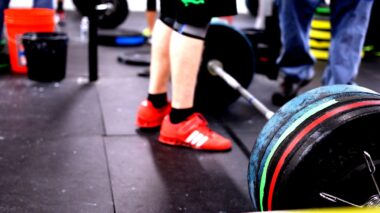
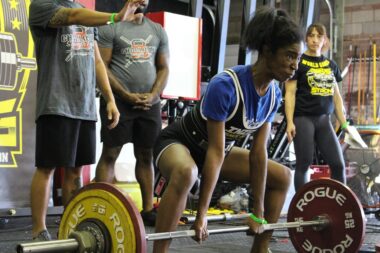
The deadlift is renowned as one of the most challenging lifts due to its demand for full-body engagement and technique. Emphasizing the mechanics of the deadlift this week will greatly enhance your proficiency. Start by positioning your feet hip-width apart, ensuring that your grip on the bar is comfortable, whether it be double overhand or mixed grip. Your back must remain straight, avoid any rounded postures. Maintaining an appropriate back angle is crucial, as it protects your spine while maximizing your strength output. During the lift, push through your heels while engaging your lats and driving your hips forward at the top of the movement. Consider using bumper plates to ensure your lifts have a proper range of motion while minimizing the risk of injury. After heavy deadlift days, perform accessory movements focused on your hamstrings and lower back to promote muscle imbalances. Romanian deadlifts and good mornings are excellent choices for reinforcing strength in these areas. Listening to your body for signs of fatigue is vital; ensure to follow your training program accordingly.
Recovery is a fundamental part of any workout plan, especially during intense training weeks such as this one. After grueling lifting days, adopting a proper recovery protocol is essential for optimal performance. Consider integrating active recovery elements into your routine, like light aerobic activities to promote blood flow without taxing your muscles. Techniques such as foam rolling and stretching should not be overlooked as they gracefully aid in muscle recovery, reduce soreness, and maintain flexibility. Nutrition plays a significant role in recovery as well; ensure to consume protein-rich meals or shakes post-workout to help muscle repair. Hydration is equally important, aiming for adequate water intake to replenish lost fluids during exertion. Resting periods between heavy lifting days can also be optimized through sleep; aim for 7-9 hours of restorative sleep to rejuvenate your body. Incorporating a rest or deload week every few cycles will allow your body to fully recover and facilitate progress. Assess how your body feels; make adjustments to your training accordingly to focus on recovery where needed. This holistic approach will help you sustain your strength journey significantly.
Nutrition Strategies for Powerlifters
Fueling your body properly is crucial during this intense training week. A well-rounded diet can enhance performance and recovery significantly. Aim for a balanced intake of macronutrients: proteins, carbohydrates, and fats. Proteins are essential for muscle repair; consider sources like chicken, fish, legumes, and dairy. Carbohydrates are critical; they provide the energy required for your workouts. Complex carbohydrates, such as whole grains and vegetables, are highly recommended as they digest slowly and provide sustained energy. Healthy fats from avocados, nuts, and olive oil should not be ignored, as they play a vital role in hormonal balance and overall well-being. It might also be helpful to develop a meal plan that supports your training goals and bring meals prepared efficiently during training days to ensure you remain nourished. Consuming a small meal or snack before workouts can provide immediate energy for optimal performance. Lastly, consider tracking your food intake alongside your workouts to spot trends and areas for adjustment. Finding the right balance may take time, but it is essential for your progress in powerlifting.
In conclusion, Week 11 of your powerlifting program focuses on maximizing efficiency, mastering the squat, bench press, and deadlift techniques. Prioritize training intensity while balancing recovery and nutrition. Keep meticulous records of your lifts, nutrition, and recovery strategies to assess your progress thoroughly. Each lift is an opportunity for growth, provided consistent effort is implemented with focus on form and execution. Ensure you challenge yourself while remaining mindful of your body; listening to its needs will guide you toward safe and effective gains. This program should serve as a stepping stone towards future goals, whether competition or personal milestones. The weight room can be a space for tremendous personal growth, physically and mentally. Surround yourself with a supportive environment and community of lifters to help keep you motivated. As you navigate through this week, remember that the discipline shown during this training will directly translate to your performance outcomes. Good luck, stay strong, and embrace the lifting journey ahead. Your commitment is vital, and with each training session, you’re moving closer to your ultimate strength goals.