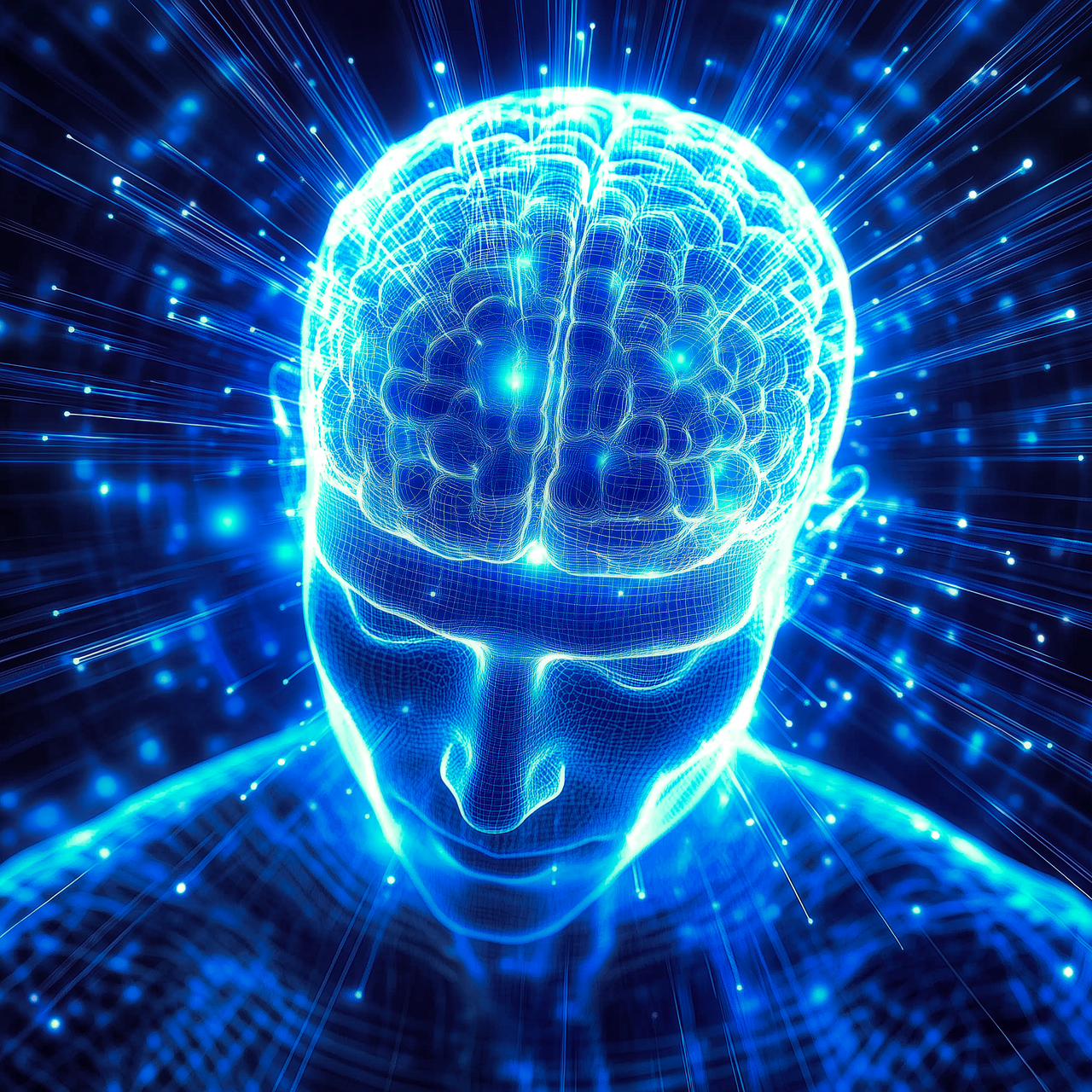

The Science Behind Meditation-Induced Neuroplasticity
Meditation is a practice that has captured the interest of scientists and practitioners, revealing insights about the brain’s capacity for change. Neuroplasticity describes the brain’s ability to reorganize itself by forming new neural connections. This adaptability is essential for learning and recovery from brain injuries. Recent studies suggest that regular meditation practice can enhance neuroplasticity, leading to positive effects on cognitive functions and emotional regulation. Understanding the underlying mechanisms can help individuals incorporate meditation into their daily lives effectively. Researchers have utilized advanced brain imaging techniques to measure changes in brain structure and function associated with meditation. Findings indicate increased gray matter density in areas of the brain related to memory, self-awareness, and emotional processing. Additionally, meditation enhances connectivity between different brain regions, improving overall cognitive performance. This suggests that consistent practice can lead to long-term changes, positively affecting behavior and mental health. To maximize benefits, individuals should consider guided meditation or mindfulness programs designed to foster increased awareness and resilience. By acknowledging the science behind meditation-induced neuroplasticity, one can take informed steps toward a more meditative lifestyle.
Meditation affects not only brain structure but also its function. Specifically, it influences neurotransmitter systems that play vital roles in mood and cognition. For instance, serotonin and dopamine levels may be positively impacted through regular meditation, contributing to improved mental health outcomes. Furthermore, meditation fosters a greater sense of mindfulness, allowing practitioners to become more aware of their thoughts and emotions without judgment. This enhanced awareness promotes emotional regulation, lower stress levels, and reduced symptoms of anxiety and depression. Studies show that individuals who practice mindfulness meditation have a greater ability to experience positive emotions and decreased instances of rumination. By engaging in meditation, individuals cultivate a sense of presence, which nourishes personal growth and well-being. Many people report enhanced creativity and problem-solving skills following regular meditation practice. This improvement can be attributed to the neuroplastic changes that meditation induces, allowing for improved cognitive flexibility and innovative thinking. By altering how we perceive and respond to our environments, meditation enhances our ability to navigate challenges and utilize creative potential. In sum, meditation’s impact on neuroplasticity can significantly transform various aspects of life.
The Neurobiological Effects of Meditation
Several neurobiological changes occur as a result of consistent meditation practice, primarily affecting areas responsible for attention, memory, and emotional regulation. The prefrontal cortex, which governs executive functions, has shown heightened activity in regular meditators. This enhancement implies improved cognitive control and decision-making skills, vital for daily functioning. Additionally, meditation impacts the amygdala, a brain region linked to emotional processing and stress response. Regular meditation practice leads to a decrease in amygdala responsiveness, suggesting a calmer approach to stressors. Understanding these changes emphasizes the importance of incorporating meditation into healthcare practices, especially for patients suffering from stress-related disorders. Furthermore, the shifts in neural structure and function reflect an increased resilience to stress, promoting overall mental health. As more individuals adopt meditation, the potential for these positive neurobiological changes expands across communities. This fosters healthier societies that can better cope with challenges. Implementing meditation training within academic and occupational settings can also yield significant benefits for productivity and creativity. The promising findings serve as a catalyst for further research, aiming to explore the extent of meditation-induced neuroplasticity and its implications on personal development.
Various forms of meditation exist, each potentially offering unique benefits related to neuroplasticity. Mindfulness meditation, focused attention meditation, and loving-kindness meditation are popular types that emphasize different aspects of cognitive and emotional processing. Mindfulness meditation encourages awareness of the present moment, fostering non-judgmental observation of thoughts and feelings. This can lead to significant emotional growth and stress reduction. On the other hand, focused attention meditation hones one’s ability to concentrate by training the mind to focus intensely on a single object or thought. This practice can boost attention spans, leading to better performance in everyday tasks. Loving-kindness meditation promotes compassion towards oneself and others, enhancing emotional connectivity and empathy. These various approaches highlight the flexible applications of meditation, inviting individuals to choose based on personal preferences and needs. Adopting a meditation practice tailored to individual goals ensures optimal benefits and encourages sustained engagement over time. Overall, the flexibility of meditation practices makes them accessible and applicable to diverse populations. As individuals identify their preferred forms of meditation, they can harness the transformative power of neuroplasticity, further enriching their mental and emotional landscapes.
Implementing Meditation into Daily Life
Successfully integrating meditation into daily life requires cultivating a consistent routine. Setting aside even a few minutes each day can lead to significant benefits; for beginners, short sessions can ease the transition. Gradually increasing the duration as one becomes more comfortable can yield better results. Various resources, including mobile applications and online courses, can provide guided meditation sessions to assist in establishing a routine. Furthermore, finding a quiet and calming space can create an inviting atmosphere to promote focus. This environment plays a crucial role in reducing distractions and encouraging mindful practices. As meditation becomes a habitual part of daily life, practitioners may begin to notice subtle changes in their overall well-being. Tracking emotional responses and cognitive shifts can provide valuable feedback, reinforcing the benefits of consistent practice. Creating a supportive community can also contribute to sustained engagement. Joining meditation groups or classes allows individuals to share experiences and foster connections with others on similar journeys. The accountability that comes from these communities can strengthen one’s commitment and encourage continued practice, leading to enhanced neuroplasticity and personal growth.
Research on meditation-induced neuroplasticity continues to evolve, shedding light on the myriad ways in which meditation can enhance our lives. Ongoing studies investigate the connection between meditation and physical health, exploring its potential role in pain management and immune function. Early findings suggest that regular meditation practice may lead to improved pain tolerance, reduced inflammation, and greater overall health. Furthermore, meditation’s impact on mental health is widely documented, with numerous studies linking it to reduced anxiety, depression, and stress. As researchers deepen their understanding of the intricate connections between meditation and neuroplasticity, the potential for new therapeutic approaches in psychology and wellness expands. The future may hold evidence-based strategies that incorporate meditation into treatment plans for various mental health conditions. This could revolutionize the way mental health care is approached, offering holistic solutions to those in need. By continuing to explore these relationships, we pave the way for a comprehensive understanding of how practices like meditation can enhance both brain function and overall well-being across diverse populations. This emphasis on integrative approaches is crucial for advancing healthcare and personal growth alike.
Conclusion: The Transformative Power of Meditation
In summary, meditation offers profound benefits through the lens of neuroplasticity, transforming individuals on multiple levels. The potential to improve mental health, emotional regulation, and cognitive functions highlights its importance in contemporary life. As more studies underscore its positive effects, the integration of meditation into our daily routines becomes increasingly essential. Encouraging individuals to explore various meditation practices ensures that more people can experience the rich benefits that come from this ancient tradition. Moreover, fostering an awareness of meditation’s neurobiological effects can create a greater appreciation for its role in personal development. As we come to understand the science behind meditation-induced neuroplasticity, we empower ourselves to embrace practices that contribute positively to mental and emotional health. With growing access to resources and support systems, meditation can enhance our resilience and adaptability to life’s challenges. Ultimately, the transformative power of meditation lies in its capacity to reshape the mind, fostering a sense of connection, creativity, and compassion. By collectively engaging with meditation, we can cultivate happier, healthier communities that thrive on balance and mindfulness.