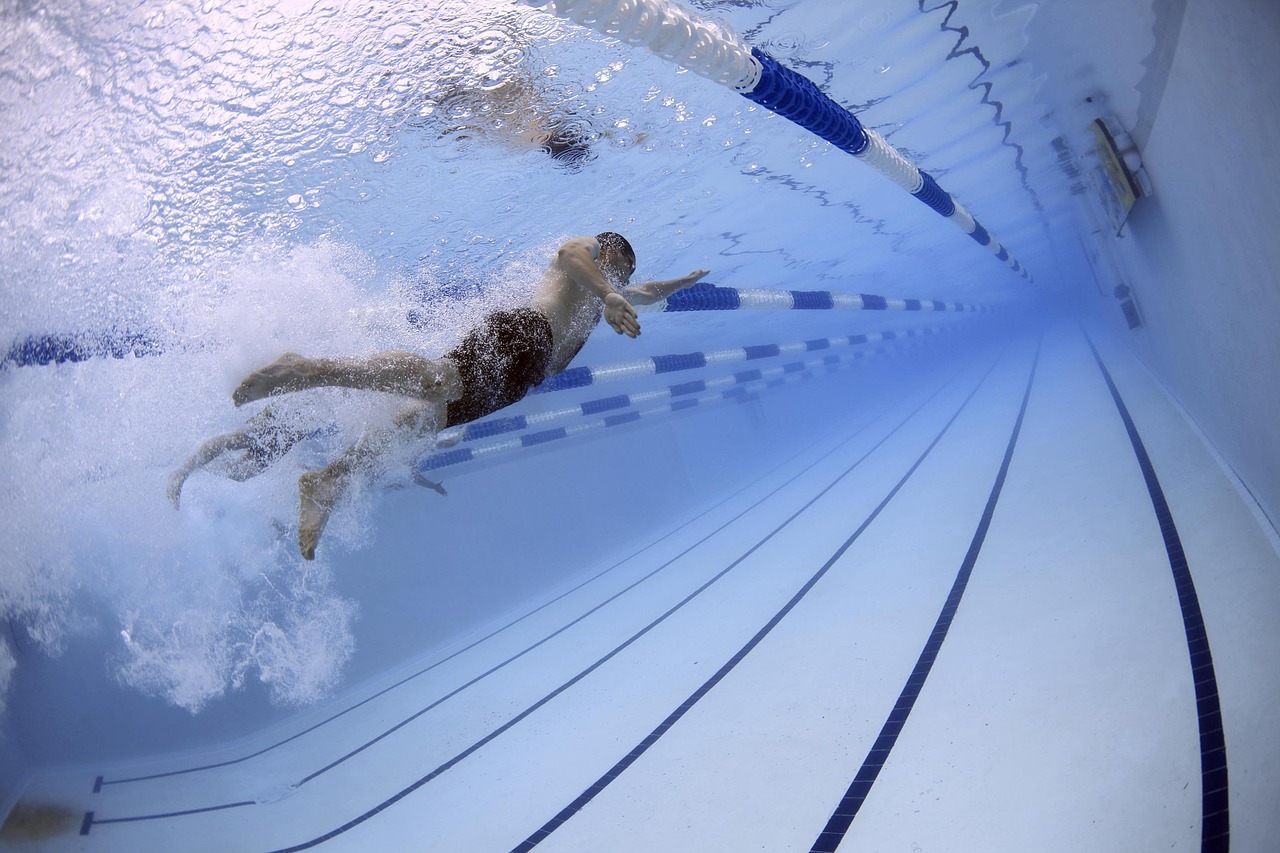

The Myth That Swimming Is Not a Competitive Sport
The assumption that swimming lacks the competitive spirit seen in many sports is widespread and often misguided. Many people perceive swimming as a leisure activity rather than a serious competitive endeavor. This notion overlooks the fact that swimming involves intense physical training, strategy, and a high level of skill. Competitive swimming has a rich history, with events dating back to ancient Greece, where swimming competitions were held during the Olympic Games. The evolution of swimming as a sport has led to the establishment of various federations, clubs, and competitions worldwide, underscoring its competitive nature. Professional swimmers dedicate countless hours to perfect their strokes, improve their times, and prepare for major events such as the Olympics and World Championships. Swimmers often train year-round, facing rigorous practice schedules that include not only pool sessions but also strength training and endurance workouts. Their commitment to competition contrasts sharply with the casual image some hold about the sport. In light of this, recognizing swimming as a competitive sport becomes essential not just for the athletes but also for the perception of swimming in society.
Many people mistakenly believe that all swimming is recreational and does not involve competition. However, various swimming styles exist, including freestyle, backstroke, breaststroke, and butterfly, each with its competitive specifications and rules. Major competitions allow swimmers to excel in their preferred styles, showcasing their strength, speed, and technique. Events feature both individual races and team relay races, highlighting different aspects of the sport. Additionally, swimming competitions can range from local meets to international championships, attracting swimmers from around the globe. This wide range of events only emphasizes that swimming has a diverse competitive landscape. Furthermore, attending competitive swimming events provides a unique experience. Keen fans gather in pools or stadiums to show support, fostering a sense of community among competitors and spectators. For those involved in swimming, the thrill of competing is palpable, making it an exciting sport to watch. As such, the narrative that swimming is merely a non-competitive activity undermines the dedication and passion of those who compete. Recognizing the competitive aspect of swimming enriches its image and encourages new talent to join this vibrant sporting community.
The Physical Demands of Competitive Swimming
Competitive swimming is demanding and requires an unparalleled combination of strength, endurance, and agility. Swimmers face tough physical challenges as they train rigorously to enhance their performance and meet competition standards. Training regimes often encompass a variety of techniques, including interval training, distance swimming, and sprint work; each element aims to improve specific body parts and techniques. Such training requires a well-structured nutrition plan to maintain energy levels and muscular recovery. Swimmers often consume high-carbohydrate meals to provide adequate fuel for training sessions. They must also stay hydrated to optimize their athletic performance in the water. Moreover, weight training is significant in developing muscle strength, contributing directly to a swimmer’s speed and efficiency in the water. Resistance training, targeting core and upper body strength, enhances propulsion and stability while swimming. Additionally, the psychological demands of competitive swimming cannot be overlooked. Athletes must maintain focus, overcome setbacks, and deal with pre-race nerves while performing at peak levels. This combination of physical and mental toughness supports the case that swimming is indeed a competitive sport worthy of recognition.
The achievements of individual swimmers highlight the competitive nature of swimming as a sport. Swimmers aspire to break records and earn medals in prestigious competitions. Legendary figures in the history of swimming include Michael Phelps and Katie Ledecky, each having achieved remarkable success in Olympic medals and world records. Their contributions not only advanced the sport but also inspired countless swimmers with aspirations of their own. Local and regional swimming clubs likewise foster competitive environments for swimmers, as athletes train to qualify for state and national levels. These competitions offer opportunities for personal growth, allowing swimmers to gauge their progress against peers. This spirit of competition fosters excitement while encouraging swimmers to improve. Additionally, officials enforce strict regulations and rules during swimming events, ensuring fair play and integrity as swimmers compete for titles. Participating in competition benefits swimmers immensely, as it cultivates resilience, discipline, and camaraderie among teammates and rivals. Clearly, these achievements, combined with the sense of community established by competitions, affirm swimming’s reputation as a serious and competitive sport.
The Role of Swimming Competitions in Development
The impact of competitive swimming on its athletes extends beyond individual success, fostering skills applicable in broader life contexts. Many competitive swimmers develop a strong work ethic and time management skills while balancing training with academics or other responsibilities. The dedication it takes to compete successfully teaches athletes perseverance in the face of challenges. Furthermore, this commitment to the sport can also lead to scholarship opportunities in colleges and universities dedicated to fostering competitive swimming. Participation in swimming competitions offers various developmental aspects, including teamwork and leadership, as swimmers often collaborate in relay events, striving towards a common goal. Swimmer coaches play a crucial role, guiding their athletes to refine skills, build confidence, and develop strategies for races. Competitive swimming thus nurtures growth, providing invaluable experiences. Additionally, the motivation gained through competitions instills a sense of personal accomplishment, inspiring swimmers to push their limits. Therefore, the influence of competitive swimming on personal development showcases its significance as not only a sport but a life-enriching experience that promotes growth on and off the field.
Critics of swimming as a competitive sport often argue against the physicality compared to contact sports like football or rugby. However, competitive swimming demands immense physical exertion and resilience. Each stroke utilizes nearly every muscle group, challenging swimmers to develop overall body strength and coordination over time. Furthermore, swimming is a unique sport that is accessible to a vast range of people. Athletes of various ages and skill levels can participate, creating a culture of inclusion that fosters competitiveness. Additionally, technological advancements have propelled the realm of competitive swimming, with high-tech swimsuits, racing caps, and timing devices improving athlete performance. Investigating these advancements reveals the sport’s commitment to maintaining relevance and competitiveness in today’s landscape. The world of competitive swimming continuously evolves, drawing athletes who thrive on challenges. Swimmers dedicate themselves to improving their performance, inspiring future generations and revealing their passion for the sport. Therefore, labeling swimming as non-competitive fails to recognize the dedication required to excel and highlights the thrilling nature of competition in swimming at all levels.
Conclusion: Redefining the Perception of Swimming
Redefining the perception of swimming is crucial for acknowledging its significance as a competitive sport. Awareness of the dedication, skill, and intensity required in the sport can elevate the overall regard for swimming. Education about the rigorous training, mental resilience, and spectacular achievements can reshape the misconceptions surrounding competitive swimming. While it is vital to acknowledge the recreational aspects of swimming, it is equally crucial to recognize its highly competitive nature. Support for local swimming clubs, competitive events, and athletes can help to foster a growing culture of urgency, enthusiasm, and talent promotion in the swimming community. Whenever a swimmer breaks a record or wins a medal, it highlights the successful fusion of hard work, dedication, and competition in swimming. Building awareness around swimming competition will not only elevate the sport but enrich the lives of those involved. In conclusion, let’s celebrate competitive swimming for its true essence and support athletes on their journeys to success. Understanding swimming as a competitive endeavor opens doors for aspiring swimmers, generating excitement for the sport’s future and many achievements to come.
This section wraps up our exploration of competitive swimming and its significance. By shedding light on swimming myths, we can share our understanding and support the athletes involved. Recognizing swimming’s place in the realm of sports will empower future generations to pursue their passions. Remember, the exhilaration of competition in swimming is waiting for you.