
Understanding Sensory Processing Disorders
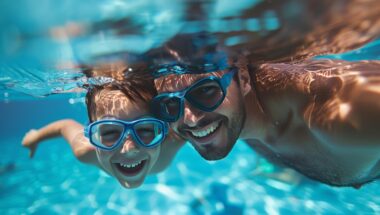
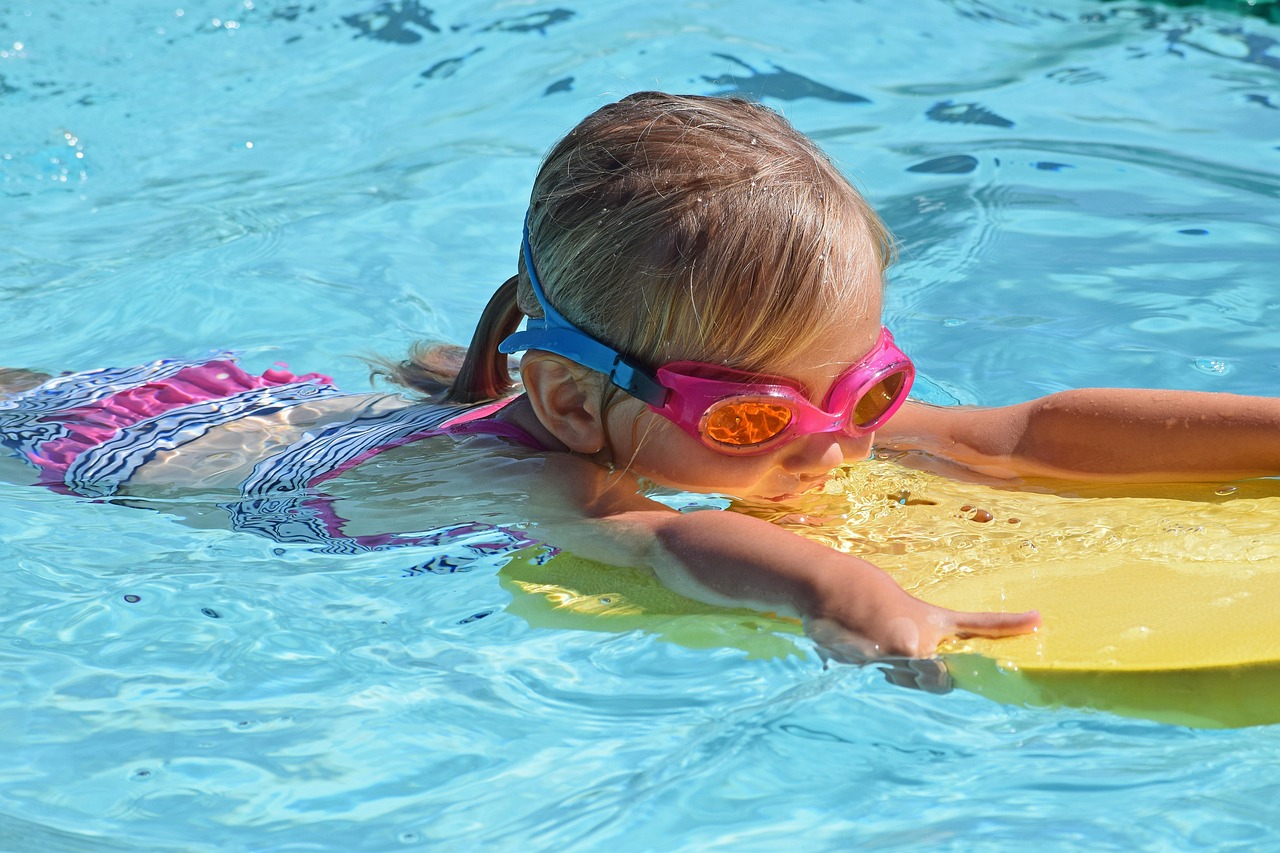
Sensory Processing Disorders (SPDs) can significantly affect children’s experiences in various settings, particularly during activities like swimming. Children with SPDs may have heightened sensitivity to water, sounds, or other external stimuli. This awareness is crucial for swimming instructors. A tailored approach can foster a positive environment where children feel safe. Recognizing these reactions helps instructors design suitable lesson plans. Providing gradual exposure to water can ease anxiety. Changes in lesson structure can also aid comfort and encourage participation. Instructors should observe children’s reactions in different scenarios. Adapting practices based on this information ensures effective learning experiences. Creating a supportive atmosphere helps the child feel empowered and less anxious. It is essential to communicate effectively with both children and parents. Discussions about possible challenges facilitate open dialogue on how best to address them. Understanding a child’s unique sensory needs results in a more enjoyable and fruitful swimming experience. Incorporating tools, such as sensory toys, can further enhance lessons, making them more engaging. Overall, a thoughtful approach can demystify water for these children and encourage them to develop their swimming skills confidently.
Incorporating Visual Supports in Swim Lessons
Visual supports are essential in swim lessons for children with sensory processing disorders. They help enhance understanding and anticipation of activities, which can ease anxiety. For example, using picture schedules illustrates each lesson step visually. Children can see what comes next, mitigating surprises during the lesson. This technique fosters predictability and builds a sense of security. Additionally, using symbols or color-coded systems engage learners more effectively. These visuals create a structured environment, aiding concentration and focus. Instructors can also use visual timers to signify transitions between activities. This approach prepares students mentally and allows for smoother changes. Furthermore, incorporating demonstrations or videos reinforces learning. Children often respond well to visual learning, and mimicking actions can make lessons more relatable. Tailoring visual supports to individual needs is imperative. Regularly updating visuals keeps lessons fresh and engaging. Instructors should include students’ input in visual aids development. A collaborative approach fosters ownership and facilitates engagement. Social stories are another excellent tool for preparing for swim lessons. They outline what to expect. Ultimately, combining visual supports with traditional methods creates a richer learning experience and aids children in adapting to the aquatic environment.
Adjusting the Physical Environment
The physical environment for swim lessons plays a pivotal role in accommodating children with sensory processing disorders. Factors such as lighting, noise, and water temperature can significantly influence a child’s comfort level. Dim lighting can create a calming atmosphere for sensitive learners. Similarly, opting for quieter times in the pool can minimize auditory stress. Understanding these considerations is vital for fostering a conducive learning experience. Water temperature is another essential aspect; ensuring it’s neither too cold nor too warm helps children feel secure. Using soft materials in the pool area can also reduce discomfort when transitioning from land to water. Swim instructors should create safe zones where children can retreat. This may include shaded areas for breaks or quiet spaces for emotional regulation. Additionally, incorporating calming sensory items, such as weighted blankets or fidget toys, can aid in managing anxiety during lessons. Creating a structured routine within the physical space promotes familiarity and reduces confusion. Instructors should observe how children react to changes in environment and adjust accordingly. Ultimately, an accommodating physical environment allows children to focus on their swimming skills and fosters a sense of confidence and security.
Developing Communication Techniques
Effective communication is paramount when teaching children with sensory processing disorders how to swim. Establishing trust is vital; instructors should communicate openly with students and parents. Using clear, concise language minimizes confusion and enhances understanding. Simple instructions increase the likelihood of children responding appropriately during lessons. Additionally, non-verbal communication methods, such as gestures or facial expressions, can supplement verbal cues. Observing children’s reactions ensures tailored communication methods that cater to each child’s unique needs. Utilizing social stories aids builders understanding of skills and concepts. These narratives outline what to expect in lessons, contributing to a sense of stability. Furthermore, incorporating visual aids, such as charts or pictograms, supports comprehension. Consistent terminology helps reinforce learning and creates a predictable environment. Instructors can also establish signals or signs for common instructions. Memory aids can facilitate smoother communication patterns, allowing lessons to progress seamlessly. Encouraging peer interaction also fosters practical communication skills in the water. Children learn by watching peers and can mimic actions and dialogues. Ultimately, effective communication enhances the overall learning experience, fostering independence and self-confidence in swimming skills.
Focus on Social Skills Development
Swimming lessons can serve as an essential platform for children with sensory processing disorders to develop social skills. By participating in group activities, children learn how to navigate interactions with peers. Instructors can facilitate team bonding by incorporating games and activities that require cooperation. This approach not only enhances swimming skills but also promotes communication abilities among children. Gradually introducing children to group settings fosters confidence and reduces anxiety. Instructors can initiate small group activities for a gentle introduction. Regular practice in social interactions leads to increased comfort over time. Role-playing scenarios before swimming lessons prepares children for potential social dynamics they may encounter in the water. This practice allows for better understanding and the development of appropriate responses. Furthermore, instructors should actively encourage positive peer interactions and reinforce desirable behaviors. Taking the time to celebrate achievements helps children feel valued. Building friendships through shared experiences within lessons fosters a sense of community. Encouraging inclusiveness creates a supportive environment for every child. Ultimately, swimming lessons become a holistic experience emphasizing swimming skills along with personal and social growth, leading to enhanced confidence and the ability to forge connections with others.
Encouraging Self-Regulation Techniques
Teaching self-regulation techniques is vital when working with children with sensory processing disorders in swim lessons. Encouraging children to identify their feelings can lead to greater emotional awareness and control. Instructors should introduce breathing techniques to manage potential anxiety or overwhelm. This practice can be as simple as a few deep breaths before entering the water. Establishing clear routines fosters a sense of stability and security for the children. Providing visual reminders can assist children in adhering to these routines. Additionally, allowing children to take breaks and manage their pace empowers them during the lesson. Recognizing when they need to step back serves as a practical skill for swim lessons and daily life. Self-assessment opportunities can further promote ownership of behavior. Educators can share techniques that encourage students to reflect on their own actions during swim lessons. Incorporating calming items, such as stress balls or calming scents, can provide a necessary diversion during overwhelming moments. Ultimately, supporting self-regulation enhances the swimming experience by allowing for more focus and enjoyment. Instructors’ patience and understanding in this process foster independence and self-confidence within each child.
Celebrating Achievements in Swim Learning
Celebrating achievements is crucial for children with sensory processing disorders participating in swim lessons. Recognition of milestones, big or small, boosts confidence and motivation. Instructors can establish systems to celebrate progress, like certificates or stickers, that are simple yet impactful. Encouragement reinforces a sense of accomplishment. Acknowledging personal goals fosters a child’s motivation to engage more actively in lessons. Sharing success stories with family members aids in reinforcing a positive narrative around swimming. Additionally, small celebrations, such as group recognition, can create a supportive atmosphere among peers. Engaging children in conversations about their feelings of success helps them internalize their efforts. Constructive reinforcement not only promotes swim skill development but also boosts self-esteem. Providing feedback during lessons plays a key role in ensuring that children understand their progress. Identifying areas for improvement while celebrating successes fosters a balanced perspective. Instructors should encourage children to reflect on what they deem as achievements. Constructive conversations about individual progress lead to greater understanding and confidence in their swimming journey. Emphasizing the importance of achievements cultivates a love for swimming and personal growth, making lessons a joyful experience for every child involved.
Conclusion: Fostering a Positive Swimming Environment
Creating an inclusive and supportive swimming environment for children with sensory processing disorders is essential. Instructors must prioritize understanding the unique needs of each child. This tailored approach enhances both learning and enjoyment. Encouraging collaboration between instructors, parents, and therapists can lead to a more well-rounded swimming experience. By addressing sensory needs and adapting lessons accordingly, educators provide a safer process for these children. Trial and error may be necessary to discover individual preferences, and patience is key. Promoting open communication fosters trust, allowing children to express their feelings. Incorporating sensory tools and techniques ensures a seamless transition into the water. Progress may vary among individuals, so it’s essential to celebrate every achievement along the way. The joy of swimming can lead to increased confidence and the development of valuable life skills. Furthermore, creating a supportive community encourages children to embrace their unique strengths. Investing time and effort into creating an accommodating environment proves beneficial for all involved. Ultimately, the goal is to inspire a lifelong love for swimming. With ongoing support and encouragement, children can navigate their sensory processing challenges and thrive in their swimming journeys.