
Tracking Hydration Progress for OCR Competitors
Obstacle Course Racing (OCR) demands not only physical strength and endurance but also strategic hydration practices. During races, competitors should consider their hydration strategies carefully, as hydration can significantly impact performance and safety. To effectively track hydration, OCR racers can start by identifying their baseline fluid needs. This can be achieved by evaluating their weight before and after a training session to estimate fluid loss. Understanding environmental factors is also critical since heat can accelerate dehydration. It’s essential for athletes to recognize their individual sweat rates, which will help them gauge how much water they need to replenish. Using a hydration log can aid in monitoring water intake pre-race, during the race, and post-race. It’s advisable for racers to test hydration strategies during training to determine what works best. Additionally, utilizing sports drinks that contain electrolytes may enhance fluid retention. By assessing urine color, competitors can gain quick insights into their hydration status. Clear urine usually indicates proper hydration while darker tones suggest a need for more fluids. This systematic approach ensures racers stay energized for the course ahead.
Maintaining Hydration Throughout Training
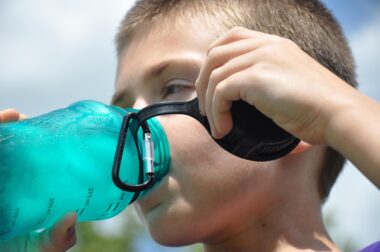
Effective hydration isn’t solely reliant on race day alone; it’s equally important to focus on hydration during training sessions. To maintain optimal performance during OCR training, racers should establish consistent hydration habits. This involves having a structured hydration routine that includes drinking fluids before, during, and after workouts. Athletes should pay attention to their body’s signals, such as thirst, to guide their fluid consumption. In longer training sessions, particularly those exceeding an hour, electrolyte-enhanced beverages can be beneficial. These drinks help replace electrolytes lost through sweat and enhance performance reliability. Moreover, setting reminders to drink fluids can help prevent dehydration. Carrying a personal water bottle can serve as a visual and physical cue to drink regularly. It’s crucial for competitors to experiment with different hydration methods like using hydration packs or belts, which could be advantageous during races for convenience. Planning hydration strategies in advance ensures racers are accustomed to their intake plans. Monitoring their physical response to different hydration strategies allows athletes to optimize their race-day performance and avoid the pitfalls of dehydration.
Hydration Timing and Techniques
The timing of hydration is as critical as the volume consumed. Racers should hydrate before they feel thirsty, making proactive hydration part of their routine. Pre-race hydration can involve consuming a certain amount of fluids two hours before the race. During races, sipping fluids every 15-20 minutes enhances absorption and prevents dehydration. It’s also vital to recognize the benefits of consuming electrolytes alongside water. Electrolytes help maintain balance and improve performance. Experimenting with various hydration methods, such as water bottles or hydration packs, can lead to personalized preferences. The key is to find a technique that facilitates drinking while navigating obstacles. Incorporating hydration breaks at strategic points in training can also ensure adequate intake. Drinking during training mimics race demands and develops habits crucial for performance. Additionally, understanding the role of temperature in hydration is advantageous. Cold fluids tend to be more refreshing, while warm fluids might be easier to digest. Therefore, it’s sensible for OCR competitors to test what temperature aids their performance, ensuring that fluid intake aligns with both comfort and efficiency during events.
Post-Race Recovery Hydration
After the race, hydration efforts should continue, focusing on replenishing lost fluids and electrolytes effectively. Recovery hydration is essential for restoring balance within the body and promoting muscle recovery. Aiming to consume at least 16-24 ounces of fluid over the next few hours can significantly assist in rehydration. Including electrolyte-rich beverages can also play a crucial role in replenishing essential minerals. Recovery time can be influenced by how well athletes manage their hydration during and after the race, directly affecting their overall recovery. Encouraging racers to weigh themselves after races can help quantify fluid loss and guide rehydration efforts. Proper post-race hydration practices can include consuming fluids and meals rich in sodium and potassium for effective replenishment. A good restorative drink, such as coconut water or electrolyte-infused beverages, may expedite recovery. Additionally, practicing good hydration habits consistently can lay the groundwork for ongoing performance improvements. Athletes should evaluate their recovery needs and tailor their hydration approach to become more attuned to their bodies over time. Long-term hydration strategies contribute significantly to durability and sustained success in future races.
Benefits of Keeping Hydration Records
Recording hydration progress can provide invaluable insights into athletes’ hydration habits and patterns. Documenting fluid intake can reveal which strategies work best and those that require adjustments. Having a water intake tracking system encourages accountability and enhances decision-making regarding hydration practices. Athletes can identify trends, such as specific training conditions that increase their hydration requirements. This information enables more effective planning for future races and competitive events. Using apps or journals to log fluid consumption can make tracking more efficient. Moreover, athletes can combine this information with their performance metrics to discover potential links between hydration habits and outcomes. This innovative approach to data analysis fosters better engagement with hydration strategies and highlights their importance. Engaging with coaches can provide additional perspectives to refine hydration plans. Athletes can learn from peers and support each other by exchanging tips on effective hydration management. Creating a supportive environment where competitive racers understand the importance of hydration ensures collective progress. Ultimately, maintaining a hydration record embodies a commitment to performance excellence in the demanding world of OCR.
Hydration Education and Resources
Education on hydration strategies is vital for discerning athletes eager to optimize their performance. Athletes should engage with credible resources and expert opinions to create informed hydration plans. This can include attending workshops or reading literature from sports nutritionists who specialize in hydration. Understanding fluid requirements relative to fitness levels and weather conditions can improve comfort and enhance results. Additionally, online forums and communities focused on OCR provide varied insights into effective hydration practices. Engaging with experienced OCR competitors can lead to discovering unique hydration strategies through shared experiences. It’s also beneficial to explore various hydration products and their relevancy to the racer’s individual needs. Tasting different electrolyte beverages during training helps athletes understand their preferences. Social media platforms can serve as accessible outlets to find tips regarding hydration strategies tailored for OCR. As such, developing a toolkit of reliable hydration methods will enhance confidence when racing. Ultimately, staying informed through continually evolving hydration practices is essential for long-term success in the demanding landscape of obstacle course racing.
Final Thoughts on OCR and Hydration
In conclusion, effectively tracking hydration progress strategically influences performance in obstacle course racing. Hydration is a crucial element that cannot be overlooked, especially for competitors navigating demanding environments. Starting with careful assessment of individual hydration needs during training prepares athletes for better hydration management. Regular checks of urine color and proper logging of fluid intake unlock vital insights into hydration statuses, enhancing racing experiences. Athletes who define their hydration plans focusing on timed fluid intake and electrolyte balance often see improved results. Developing hydration routines that coincide with training regimens can streamline efforts effectively. By maintaining a focus on hydration during physical preparation, athletes can promote performance excellence and faster recovery periods post-race. Ultimately, it’s about applying knowledge, tracking progress, and iteratively refining methods to achieve optimal hydration results. Emphasizing hydration at every stage—from training to post-race recovery—ensures competitors are ready to conquer the rigors of obstacle courses. The commitment to hydration can become a hallmark of OCR success, setting competitive athletes apart in their pursuit of excellence. Thus, hydration serves as a cornerstone of performance in the thrilling world of obstacle course racing.