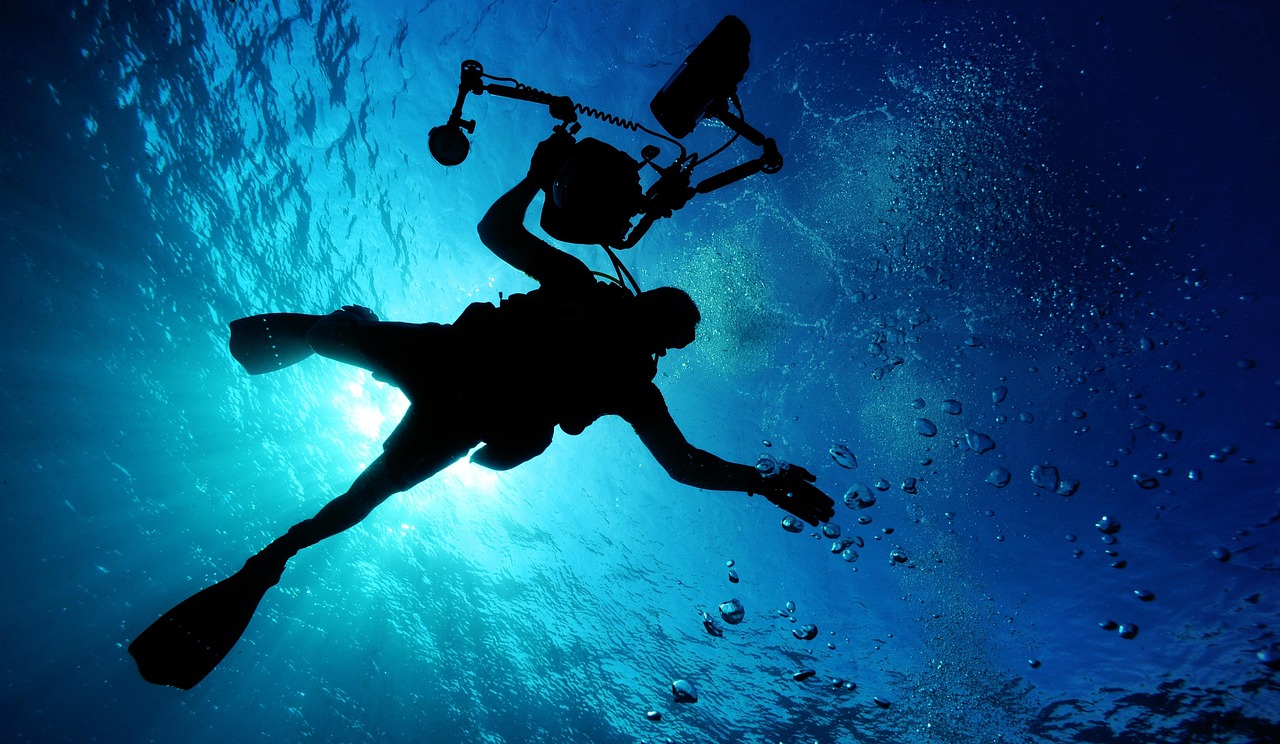

Scuba Diving Fitness: Exercises to Prepare Your Body for Diving
When preparing for scuba diving, it’s essential to understand the correct fitness levels required for this recreational activity. A diver’s physical condition significantly impacts not just their experience underwater but also their safety. Before getting to the exercises, divers should assess their personal fitness and consider their diving goals. Each diver may have different requirements, such as the depth they’ll be reaching and the conditions they’ll encounter. Conditioning the body specifically for diving can enhance performance and enjoyment during dives. Engaging in regular fitness activities will prepare your muscles for handling diving gear effectively and help manage currents and physical exertion while diving. To start, divers should prioritize cardiovascular exercises that enhance endurance and boost lung capacity. Activities such as swimming, cycling, or jogging can be immensely beneficial. Understanding the importance of synergy between strength and flexibility will help achieve the optimal physical state needed for diving excellence.
Strength Training for Divers
Incorporating strength training into your routine is vital when preparing your body for scuba diving. Divers should focus on building core strength, as a strong core helps maintain buoyancy control and stability underwater. Exercises like planks, squats, and lunges are excellent for strengthening the core and legs, essential muscle groups for divers. Resistance training also is beneficial for upper body function when lifting scuba gear or pulling on a wetsuit. Additionally, using resistance bands or free weights can improve overall muscle strength without the risk posed by heavier weights. Flexibility is another critical component of diving fitness, helping divers achieve movement when getting in and out of the water. Practices like yoga or dynamic stretches can greatly enhance flexibility, preventing injuries. Divers should aim for a workout routine that incorporates both strength and flexibility training at least three times a week. Building overall strength and improving flexibility will allow divers to have a more comfortable and engaging experience while navigating underwater challenges.
Breath control and lung capacity play crucial roles in a diver’s efficacy underwater. It’s important to incorporate specific breathing exercises into your fitness regimen. Techniques such as diaphragmatic breathing help expand the lungs to increase oxygen intake, which is crucial during diving. Practicing pranayama yoga techniques can also enhance lung function and improve oxygen usage efficiency. Consider spending time each week focused solely on controlling your breath, whether through yoga or lung capacity drills. Additionally, divers can practice static and dynamic apnea to build endurance, allowing for longer breath-holds and improved relaxation while submerged. Incorporating these breathing techniques into your fitness schedule will allow you to manage anxiety under pressure and maintain calmness. Achieving superior respiratory efficiency is vital to optimize your scuba diving experience. Divers should remain keenly aware that aquatic environments require precise breathing control, especially when dealing with currents. These exercises not only enhance your physical readiness but also significantly boost your confidence while being submerged underwater.
Cardiovascular Fitness
Moreover, cardiovascular conditioning is a non-negotiable aspect of scuba diving fitness. Having a robust cardiovascular system is essential for overall health and endurance, especially when diving in challenging conditions or for extended periods. To elevate cardiovascular fitness, divers may consider engaging in aerobic activities such as running, swimming, or biking. These activities help improve heart and lung function, leading to better stamina when diving. Aim for at least 150 minutes of moderate-intensity aerobic activity weekly to ensure good health and performance. Consider splitting the time across multiple days for more effective training results. Interval training can also boost cardiovascular fitness effectively. For instance, alternating between higher and lower-paced cycles during your workout can spur improvements. When your cardiovascular fitness is well-maintained, you’ll possess the strength to manage yourself safely underwater, even under strenuous situations. Striving for improved cardiovascular fitness translates to being a safer and more efficient diver, fully prepared to enjoy the wonders beneath the surface of the water.
The Importance of Flexibility
Flexibility is often overlooked in fitness plans for scuba divers, yet it plays a crucial role in performing well underwater. Enhanced flexibility assists in buoyancy management and decreases the risk of injuries. Stretching exercises targeted at improving range of motion in the hips, shoulders, and back can profoundly impact your diving experience. Implementing stretches such as leg stretches, torso twists, and shoulder rolls into your routine is beneficial. A consistent stretching schedule, particularly before and after an exercise, helps maintain and improve flexibility. Divers may also benefit from incorporating a yoga practice into their overall fitness plan, as yoga emphasizes flexibility, balance, and strength. Engaging in yoga strengthens both the body and mind, equipping divers with essential skills for better focus and relaxation while diving. Practicing yoga also enhances breath control, a vital skill when diving. Embracing flexibility training offers a comprehensive approach to fitness for divers, ensuring they remain limber and capable during dives, ultimately contributing to a safer diving experience.
Nutritional considerations are equally important for divers looking to enhance their fitness. A well-rounded diet consisting of protein, healthy fats, and carbohydrates is essential for optimal performance. Divers should prioritize foods rich in Omega-3 fatty acids, like fish, which benefit lung health and aid in managing inflammation. Whole grains, fruits, and vegetables supply the necessary energy reserves required during physical activities associated with diving. Staying hydrated is crucial, too, as dehydration can negatively impact endurance and overall health. Drinking plenty of water before, during, and after workouts is fundamental for maintaining peak performance levels. Consider integrating electrolyte-rich beverages during and after long dive sessions to replace lost minerals. The mental aspect of proper nutrition cannot be underestimated—having a healthy diet boosts confidence and readiness for dives and workouts alike. Divers should educate themselves about the nutritional value of the foods they consume to make informed choices to enhance their diving performance. Balancing fitness, nutrition, and hydration will ultimately create a strong foundation for exciting diving adventures.
Conclusion: Preparing for Scuba Diving
In conclusion, preparing your body for scuba diving involves a multifaceted approach that incorporates strength, flexibility, cardiovascular exercise, and proper nutrition. Each component plays an essential role in ensuring safety and performance under the water. Hydration is vital, facilitating optimal bodily functions, particularly when descending into depths. It’s advisable to understand individual capabilities and recognize personal fitness standards. Engaging in regular fitness routines improves not just comfort in the water but also enhances the overall experience. Additionally, breathing exercises cannot be neglected, establishing a crucial foundation for effective diving. Divers need continued practice to maintain and build their fitness, enhancing their experience during every dive. Collaborating with a fitness coach or diving instructor can provide further guidance to tailor a personalized fitness plan to your specific needs. The benefits gained from comprehensive fitness training will promote confidence and performance, shaping proficient and responsible divers. Embrace these exercises and nutritional practices, ensuring you are ready to dive into adventure and explore the beauty of the underwater world.