
Pilates Breathing Tips for Beginners
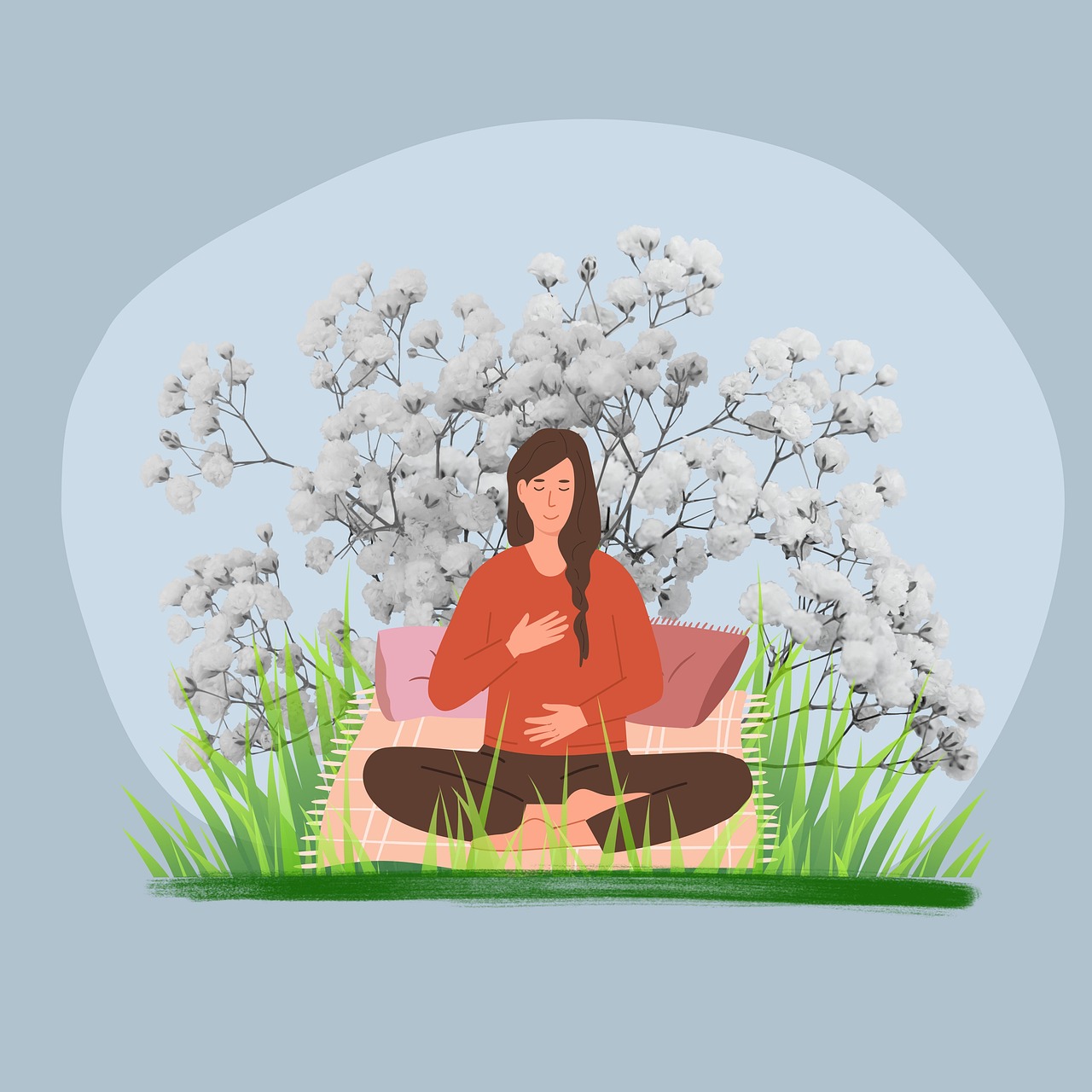
Breathing is a foundational element in Pilates, crucial for enhancing performance and relaxation. Beginners often find it difficult to synchronize their breath with movement. Start by focusing on diaphragmatic breathing, which is a technique allowing deeper inhalation and exhalation. To practice this, lie flat on your back. Place your hands on your abdomen and take deep breaths, aiming to feel your belly rise and fall. This method will provide your body an adequate supply of oxygen and allow efficient muscle function. When introducing breath to your Pilates routine, ensure motivation remains steady. Implement a pattern, inhaling through the nose and exhaling through the mouth. Establish a reliable rhythm, maintaining focus on inhalations and exhalations. Gradually, integrate this breathing pattern during your exercises, labeled as the practice of Pilates breathing. As your understanding deepens, pay attention to the connection between breath and movement, as this harmony is vital for effective training. Never rush; patience will empower you to appreciate the process and enhance physical control. Instructors can guide you, providing essential feedback for success in mastering Pilates breathing techniques.
In Pilates, specific breathing techniques can improve your workouts significantly. One essential practice is learning lateral breathing, allowing for more effective muscle engagement. By filling the lower lungs, this type of breathing will expand your lower ribs outward. To start, sit or stand comfortably, initiating an inhale through your nose, allowing your ribs to stretch. While exhaling, draw your ribs back together, feeling your core engage. This process not only enhances your workout but also promotes relaxation. Remember, the goal is to breathe deeply, using your breath to fuel movements and control throughout each exercise. Additionally, consider utilizing breath throughout dynamic transitions. Effective breath control aids in maintaining stability during more complex sequences. As you gain increased awareness of your breath, start to identify when to inhale and exhale effectively based on the movements you perform. Each inhale brings fresh energy, while each exhale allows you to release tension. Working with a qualified Pilates instructor, they can aid you in refining these techniques, ensuring correct application. Embrace the journey of improving breathing methods as an opportunity for growth as a beginner in Pilates.
Connecting Breath with Movement
As a beginner, understanding how breath connects with movement in Pilates is paramount for success. Ensure that you correlate each inhalation and exhalation with corresponding exercises; this mindfulness will result in better muscle activation and support. Focus on directing your breath towards specific muscle groups engaged during key movements. For instance, while performing the lat pull or roll-up, inhale to prepare, engaging your core, then exhale, smoothly executing the movement. This coordination allows for a more fluid practice, ultimately enhancing physical outcomes. Pay attention to how breathing influences balance and stability throughout your workouts, as maintaining proper breath control can minimize feelings of stress. Additionally, developing a solid connection between your breath and movements creates a local energizing effect, improving your overall performance. Continuing to make improvements helps foster a better understanding of this crucial relationship. When facing challenging lessons, remind yourself to stay calm and focused. Regular practice will allow strides in coordination, ensuring that the synchronization of breath with movement becomes second nature. Remember, this relationship reinforces your foundation for achieving your Pilates goals efficiently.
Communication with your instructor plays a vital role when learning Pilates breathing methods as a beginner. As you work together, don’t hesitate to ask questions regarding breath integration into your workouts. Instructors can provide valuable feedback, ensuring you grasp the concepts while practicing effectively. Developing a connection with your teacher fosters an encouraging learning environment. Additionally, participate in group classes, where you can observe others’ breathing practices, sharing insights and tips. The collective energy in a group, coupled with the shared goal of mastering Pilates, can enhance your motivation. Remember to be open to constructive criticism from your instructor; their observations are designed to fine-tune your technique. When attending workshops or classes, actively engage with the lessons, practicing specific breathing techniques and identifying patterns that resonate with you personally. This versatile approach enhances understanding, building a solid foundation. To make the most of your experience, set clear goals for improvement and track your progress over time, acknowledging each step you take as you develop your breathing techniques.
Incorporating Breath in Different Exercises
Different Pilates exercises warrant various breathing techniques to optimize your performance. For example, during the Hundred, practitioners inhale for five counts and exhale for five counts, cultivating strength and endurance. This alternation sharpens focus on core stability during the exercise. When it comes to more rejuvenating movements, such as the spine stretch, breath can accentuate relaxation. Inhale deeply, elongating the spine, and exhale as you round forward. Utilize breath to deepen each stretch within the practice. As you begin to flow through routine exercises, it is essential to recognize how each movement requires specific breath patterns. To avoid muscle strain or fatigue while performing strenuous exercises like the Pilates push-up, emphasize controlled breathing, focusing on a steady rhythm. This modulation proves beneficial in sustaining energy and preventing exhaustion. Practicing these techniques consistently will bolster familiarity and proficiency in breath integration across various exercises. Consider recording your progress during different workouts, identifying improvements over time. Even as a beginner, evolving in these techniques will foster confidence in your ability to perform Pilates efficiently.
Awareness of body alignment and posture is vital while employing Pilates breathing methods. Proper alignment supports the overall effectiveness of your movements and eases tension within the body. As you practice breath control, ensure you remain mindful of your posture during various exercises. Good posture promotes effective diaphragmatic breathing, integrating air supply with muscle function optimally. Strive to maintain an elongated spine and relaxed shoulders while efficiently using your breath to stabilize your core. Additionally, learning to recognize when your alignment falters can help identify crucial areas for improvement. When tension arises in the neck or shoulders, it may signal a need for deepening your breath. Remember that maintaining posture enhances breath flow, allowing for smoother transitions during workouts. As you practice, cultivate mindfulness and listen to your body. Regularly checking in allows you to adapt your methods accordingly. Recording your Pilates sessions may reveal how breathing correlates with performance. Observe the connection between breath control and body alignment, reinforcing proficiency. By nurturing these skills, you will cultivate improved breath awareness, ultimately enhancing the benefits of your Pilates practice.
The Benefits of Pilates Breathing
While mastering Pilates breathing methods, the benefits extend well beyond physical performance. Engaging in deep, controlled breathing techniques promotes relaxation and mental clarity. As a beginner, embracing these methods enables you to alleviate stress while enhancing focus and concentration throughout your practice. Inhaling deeply encourages the release of tension, creating a calmer mental state. This newfound serenity can positively impact your everyday life, contributing to better decision-making and overall well-being. Furthermore, efficient breathing promotes lung capacity and functioning while strengthening the core muscles necessary for Pilates movements. As you advance in your practice, incorporating breathwork into your routine can enhance not only physical outcomes but also psychological benefits. Practicing awareness in how breath influences stress levels establishes a nurturing, mindful atmosphere. As you explore these methods, remind yourself of the connection with furthering personal growth; enhance your mindfulness and physical ability simultaneously. Committing to the journey of mastering Pilates breathing will result in continuous evolution both on and off the mat.
In conclusion, embracing Pilates breathing methods as a beginner presents numerous advantages for both physical and mental well-being. Focusing on breath techniques will support the alignment and posture necessary for optimal movement. Consider approaching your practice with patience, distinct goals, and a willingness to ask questions of instructors. Incorporate breathing strategies throughout each Pilates session, enhancing your experience in discovering how breath links with movement. Participate actively in group classes, witnessing the motivation others provide, ultimately strengthening your practice. As you develop familiarity with breathing methods across different exercises, know that you possess the tools encouraging growth. Regular elements of awareness concerning alignment, rhythm, and connection foster an enriched practice. Do not underestimate the power of breathing; its influence stretches beyond exercises to create valuable impacts in daily life, guiding your mental state and promoting relaxation. Continue to refine your techniques over time. Commit to practicing regularly, embracing the journey of mastering Pilates breathing methods. The benefits, both physically and mentally, will reveal themselves gradually as you delve deeper into mastering the art of Pilates breathing.