
Can Seniors Benefit From High-Intensity Training? Myth Busting
High-intensity training (HIT) has been a topic of discussion among fitness enthusiasts, especially when it comes to seniors. Many believe that such training is inherently dangerous for older adults, fearing injury or strain. However, research has contradicting claims, showing that seniors can indeed reap benefits from challenging their bodies with HIT. The key lies in tailoring the exercises to fit individual capabilities and needs. Studies have shown that this type of exercise can improve cardiovascular health, enhance muscle strength, and boost overall fitness levels in older adults. Implementing proper techniques and having a professional oversee such training can mitigate risks significantly. There is also a strong link between higher intensity work and better management of age-related conditions, like diabetes. However, it’s crucial for seniors to consult with healthcare providers before initiating any high-intensity regimen, especially if they have pre-existing health issues. Social engagement can also raise motivation levels as many seniors relate better to group exercise settings. This can also cultivate responsibility towards one’s personal health and create sustainable habits in the long run, challenging outdated views on age and fitness.
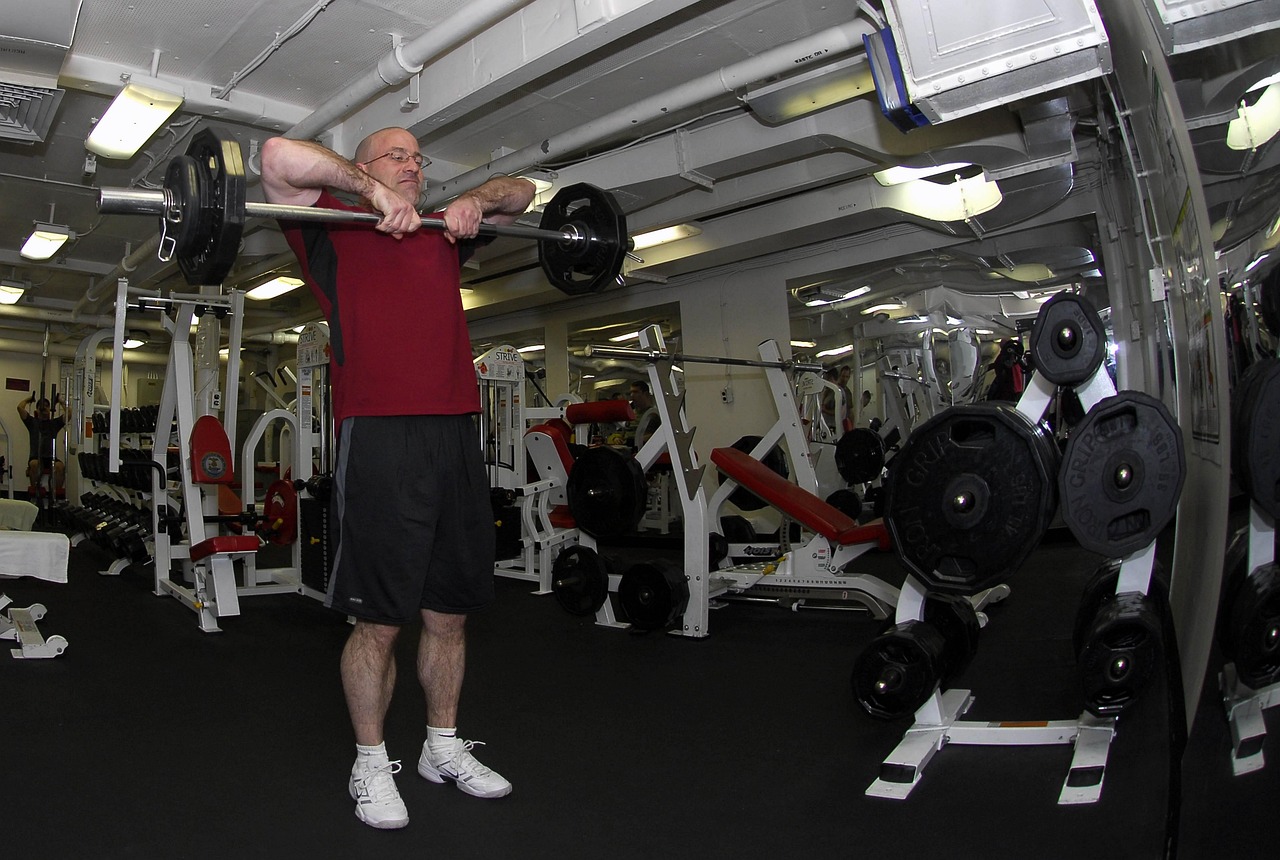
Myth number two surrounding HIT is that it isn’t adaptable to senior needs. The truth reveals that high-intensity workouts can be readily modified, making them accessible to those in their golden years. Modifications may include reducing intensity levels, increasing rest periods, and fine-tuning movements to suit mobility limitations. Experts emphasize that seniors should focus on form, endurance, and gradually increasing intensity rather than pushing themselves too hard too soon. For instance, a typical session could feature dynamic warm-ups followed by short bursts of vigorous activity, integrated with longer recovery times. Some may even consider using lighter weights or resistance bands, ensuring exercises still entail a significant challenge. It’s increasingly acknowledged that cognitive function also benefits from regular exercise. A well-rounded HIT session can facilitate improved mental clarity alongside physical enhancements. Engaging in activities such as circuit training, balance exercises, and even modified HIIT routines can display a tangible difference in a senior’s overall health. Staying active not only fosters physical wellness but also cultivates a positive mindset, instilling a sense of achievement and purpose within this demographic.
Addressing Injury Concerns
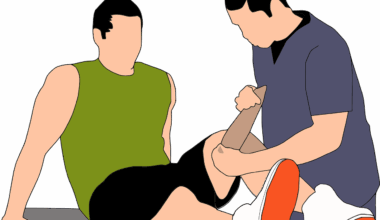
Another prevalent myth centers around seniors facing a heightened risk of injury with high-intensity workouts. However, evidence points to an alternative viewpoint asserting that with proper guidance and educational backing, injury risk can be significantly minimized. It’s all about fostering awareness of body mechanics and ensuring an adequate understanding of personal limits. Warming up effectively, maintaining proper hydration, and utilizing appropriate strength levels can all greatly reduce the chance for injury. Participating in supervised classes or working with a certified trainer offers an excellent safety net. They can design a fitness schedule that prioritizes safety yet maintains challenge levels, gradually ensuring strength and agility are built over time. The common notion is that older adults should remain sedentary to avoid injuries; however, this leads to muscle deterioration and weakened bones. Scheduled high-intensity workouts, when executed properly, can actually promote bone density retention and enhance muscle resilience. Focusing on full-body movements ensures more muscle groups work synergistically, creating balance and stability, which becomes even more critical as one ages. Therefore, understanding proper training becomes crucial in dispelling fears and embracing a healthier, active lifestyle.
Additionally, a frequent misconception is that high-intensity training does not cater to joint health, which can be increasingly sensitive among older adults. However, effective modifications and alternative exercise forms can ensure joint safety while accomplishing high-intensity benefits. Exercises like low-impact aerobics or cycling are capable of delivering outstanding results without overly stressing the joints. Acknowledging the sensitivity of joints provides an entry point to explore exercises that combine intensity and safety, fostering a versatile approach. Incorporating strength training can contribute positively to joint health, as robust muscles provide surrounding support. Moreover, flexibility exercises play a pivotal role in maintaining joint function and health, enabling seniors to perform HIT effectively. Mobility and range-of-motion exercises boost muscle adaptability and performance, ensuring greater longevity in fitness undertakings. An overall fitness strategy that weaves HIT with flexibility and strength exercises will be paramount in achieving sustainable wellness. So, it’s clear that with the right frequency and structure, high-intensity routines can harmonize seamlessly with senior health in achieving excellence. Reassuring seniors that such workouts can cater to their requirements promotes better acceptance of an active lifestyle.
Community Engagement and Support
Myth five posits that seniors do not enjoy working out intensely and often prefer gentler activities. While gentle activities hold their place, many seniors thrive in a supportive yet challenging environment. Community programs often have structures that provide encouragement and finally foster engagement among participants. High-intensity sessions can foster social interaction, resulting in improved wellbeing levels beyond physical health. Communication and camaraderie can have lasting impacts on motivation and enjoyment of exercise. Additionally, numerous studies indicate that older adults participating in group classes report less anxiety and greater fulfillment from their fitness journeys. This highlights the importance of providing access to structured sessions that emphasize cardiovascular health and strength through high-intensity workouts tailored to seniors. Gathering experiences and sharing collective fitness goals cultivates accountability and fosters overall fulfilment. Social connections can also contribute to lower incidences of loneliness, a common issue faced by older adults today. These avenues not only boost fitness adherence but present an avenue for ongoing friendships. Ultimately, promoting high-intensity training can create a sense of belonging alongside improved physical health.
Finally, many assume that the benefits of high-intensity training diminish with age. This notion could not be further from the truth; seniors can see significant positive changes by incorporating HIT into their routines. Benefits like fat loss, increased muscle mass, and enhanced metabolism have been documented across various demographics, dispelling it’s too late to initiate such efforts. Key aspects of health decline relate more to inactivity than to age itself, illuminating how modern fitness understands the necessity for greater inclusivity. The reality showcases how time spent participating in functional fitness enables older adults to continue pursuing self-care goals and interests. It further establishes how age alone should not deter fitness ambitions. HIT can allow seniors to achieve independence in physical tasks, like lifting, going up stairs, or even engaging in recreational activities. The magic lies in developing personalized routines that cater to each individual’s preferences and limitations. As lifestyle changes accumulate, a ripple effect of positive health outcomes will flourish in their lives. Therefore, the next time you ponder the implications of HIT for seniors, it’s essential to review these truths and encourage embracing fitness’s adventure, steering clear of misleading myths.
Conclusion on Senior Fitness
In summation, high-intensity training carries the potential to unlock numerous health advancements for seniors when approached thoughtfully. Modifications, proper education, and a supportive environment lay essential foundations for tackling common myths that discourage older adults from engaging with higher intensity workouts. The prevailing message resonates with seniors; it’s crucial to prioritize individual capabilities, recognize the need for tailored exercises, and build community engagement within their fitness journeys. Continuous awareness and challenge expectations surrounding HIT create broader acceptance and encourage older individuals to redefine their fitness levels. Groundbreaking research demonstrates that achieving meaningful results in strength, cardiovascular health, and overall well-being are attainable through determined effort and motivation. Empowering seniors through education dispels fears about high-intensity training and showcases its benefits to active living older adults can pursue actively. The progressive evolution of fitness must include everyone, and especially senior engagement in high-intensity modalities. Therefore, let’s invite our seniors to reconsider their fitness myths, challenge their comfort zones, and embrace the strength, vitality, and joy that high-intensity training can bring whilst boosting morale throughout their later years.
Exploring ways to integrate high-intensity workouts into a senior fitness regime can change lives significantly. Societal perception needs refreshing as we continue to spotlight the capabilities and strengths inherent in senior populations. Ultimately, fitness is a journey that embraces every age and ability, especially as seniors embrace their strength and potential.