
Surgical vs. Non-Surgical Approaches in Sports Injury Management
In the realm of sports medicine, effective management of injuries is pivotal for athletes striving to return to their competitive routines. Sports injuries can be debilitating, and deciding on the most appropriate treatment method requires a thorough understanding of both surgical and non-surgical options. Surgical approaches often involve invasive procedures such as arthroscopy or reconstructive surgery, aiming to repair damaged tissues. On the other hand, non-surgical treatments typically encompass physical therapy, rest, and rehabilitation strategies, which can significantly aid athlete recovery without the risks associated with surgery. Notably, both methods have distinct advantages and disadvantages, making a tailored approach essential. Athletes must consult medical professionals to evaluate which strategy aligns best with their specific injury, sport, and overall health. While surgical interventions may yield faster resolutions for severe issues, non-surgical methods can facilitate a more gradual recovery, minimizing complications. Ultimately, achieving optimal outcomes in sports injury management hinges on understanding these dynamics, allowing practitioners to devise customized treatment plans that enhance performance and longevity in athletes’ careers.
Detailed Look at Non-Surgical Interventions
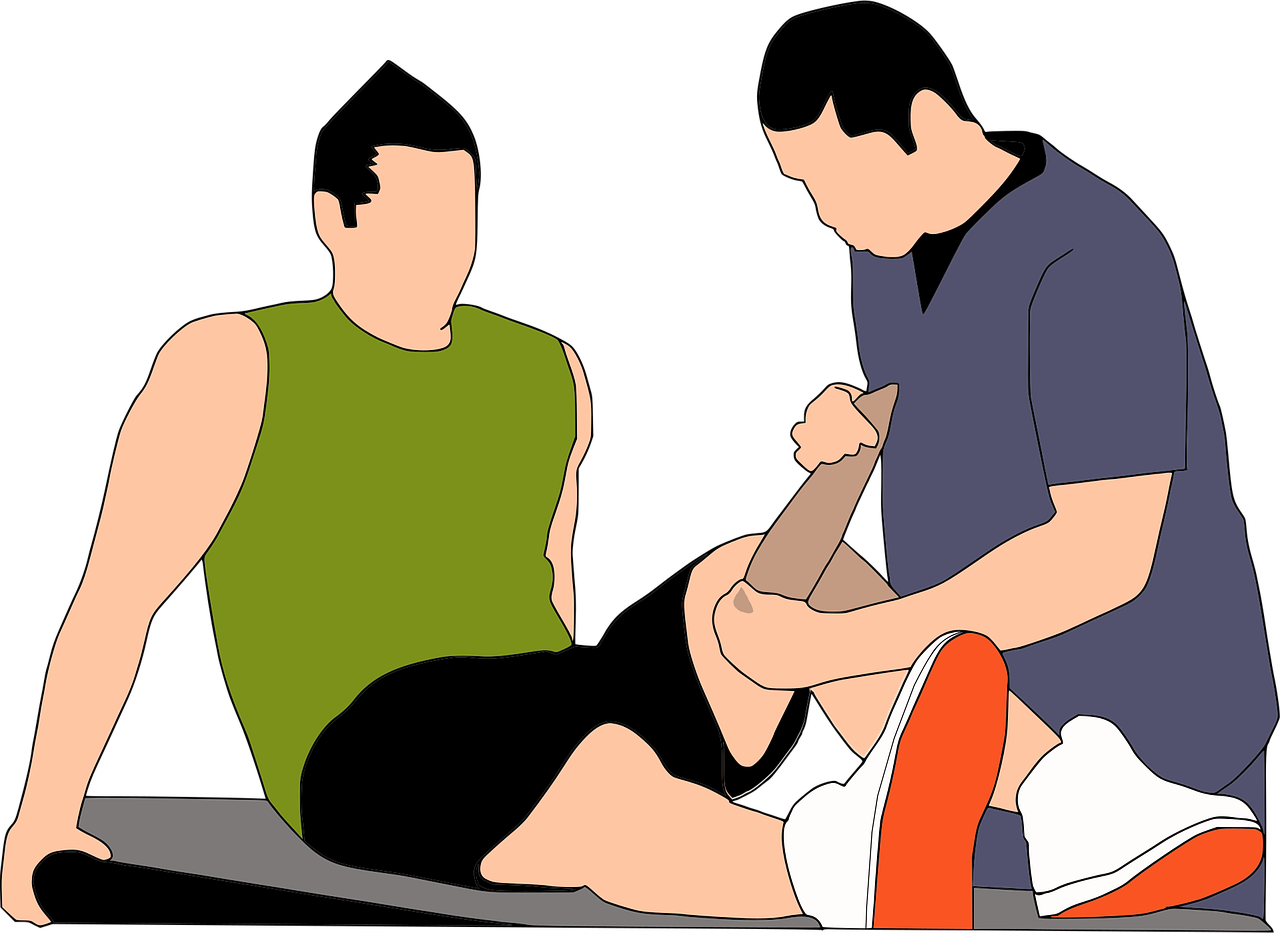
Non-surgical interventions in sports medicine have gained immense popularity due to their effectiveness and minimal recovery time. Common non-surgical treatments include physical therapy, which focuses on strengthening muscles, improving flexibility, and ensuring the body can function optimally. Furthermore, modalities such as ice therapy, ultrasound, and electrical stimulation contribute to pain relief and accelerated healing. Another method is the use of braces or supports, which helps stabilize injured areas during the recovery process. Rehabilitation protocols are meticulously designed for each athlete, incorporating exercises that progressively build strength and prevent further injuries. Diet plays an integral role in recovery, and ensuring an adequate intake of nutrients can foster the healing process. Athletes may also benefit from active rest, maintaining some levels of physical activity while avoiding strenuous movements that could exacerbate their injuries. Moreover, psychological support can bolster athletes’ mental resilience, crucial for motivation during recovery. In summary, non-surgical methods can offer substantial benefits, helping athletes recover more holistically while minimizing downtime, allowing a safer return to their respective sports.
A critical aspect of considering treatment options involves understanding the specific injuries inherently linked to an athlete’s sport. Different sports exert unique stresses on the body, resulting in varied injuries that require tailored management strategies. For instance, football players often experience ligament injuries, whereas runners might encounter issues such as shin splints or stress fractures. As a result, the identification of injury type drives the appropriate treatment pathway. Medical professionals often utilize imaging techniques, like MRIs and X-rays, to obtain clear insights into the extent of injuries. These diagnostic tools inform whether surgical intervention is warranted or whether a non-surgical approach can be effectively deployed. Understanding an athlete’s sport can also enhance preemptive measures. Education on proper techniques, warm-ups, and conditioning can mitigate injury risks, reinforcing the idea that prevention is preferable to treatment. Emphasizing the importance of sport-specific considerations arms athletes with knowledge, fostering better decision-making when injuries do occur. Consequently, an integrated approach that combines education, effective diagnosis, and tailored treatment can significantly improve injury management outcomes.
Long-Term Outcomes of Surgical Approaches
Surgical options in sports injury management can yield swift resolutions to both acute and chronic injuries. Typical situations warranting surgical treatment include torn ligaments, cartilage damage, or fractures that do not heal adequately. Outcomes from surgery heavily depend on factors such as the nature of the injury, the surgical technique employed, and the athlete’s rehabilitation commitment. Successful surgical procedures frequently lead to full or near-full recovery, enabling athletes to return to their sport effectively. However, surgical interventions are not without risks. Potential complications may arise, including infection, anesthesia-related issues, or prolonged rehabilitation. Moreover, some athletes may find they don’t regain their prior level of performance, leading to dissatisfaction and frustration. To combat these uncertainties, thorough pre-operative evaluations and post-operative follow-ups are essential. This comprehensive approach allows healthcare teams to monitor progress closely, ensuring the best possible recovery outcomes. Moreover, educating athletes about realistic expectations post-surgery can aid in psychological preparedness, paving the way for improved compliance and successful rehabilitation throughout their recovery journey.
One of the most significant factors impacting the decision between surgical and non-surgical treatment is pain management. For many athletes, the goal transcends just recovery; it is the restoration of peak performance. Chronic pain conditions often require an integrated treatment plan that considers both medical and lifestyle facets. While surgery may be warranted in cases of severe structural damage, many athletes experience success with non-invasive options like injections or pain management protocols combined with physical rehabilitation. Pain relief allows athletes to engage more comfortably in rehabilitation, essential for building strength and functional capacity. Furthermore, enhancing muscular support around potential areas of injury can stabilize vulnerable spots, reducing the likelihood of exacerbating prior injuries. Sports medicine professionals often emphasize the significance of integrated teams working collaboratively to develop comprehensive plans that cater to an athlete’s unique needs. This teamwork cultivates more informed decisions regarding personal healing paths while promoting empowerment in managing health. Enhancing quality of life constitutes a fundamental aim, driving athletes toward successful and sustainable recovery tailored to their goals.
The Role of Athletes’ Preferences
Informed decision-making rests not only on medical assessments but also on the athletes’ preferences. Patient-centered care is essential in sports medicine, where personal goals can heavily influence recovery strategies. Athletes must actively participate in their treatment choices, weighing the risks and benefits of both surgical and non-surgical approaches based on their aspirations and lifestyles. For many, the desire to return to their sport as soon as possible motivates the selection of more aggressive surgical options, despite the potential risks involved. Conversely, some athletes may prefer to explore conservative treatment measures, valuing a less invasive pathway to recovery. A collaborative discussion between athletes and healthcare providers encourages transparency, tailoring interventions that align with each athlete’s informed choices and expectations. Engaging in shared decision-making builds trust and can enhance satisfaction with the recovery process, even if challenges arise. Ultimately, athletes’ insights into their bodies influence their rehabilitation journeys profoundly, fostering a personalized approach that respects their autonomy while promoting optimal recovery outcomes.
In conclusion, successful management of sports injuries demands a nuanced understanding of both surgical and non-surgical approaches, taking into consideration the unique characteristics of each injury. Healthcare professionals play a pivotal role in educating athletes about their options and the implications of choosing one approach over another. Furthermore, focusing on prevention through education not only empowers athletes but also equips them with the skills necessary to manage their health responsibly. As rehabilitation strategies evolve, embracing advancements in sports medicine enhances recovery protocols, ensuring athletes receive the best possible care to suit individual needs. Integrating both surgical interventions and non-invasive techniques can promote holistic improvements in recovery trajectories, allowing athletes to return to sport with greater resilience. Ultimately, striking a balance between these methodologies, informed by thorough medical evaluations and athlete preferences, enables a more effective pathway in sports injury management. Enduring success will depend on interdisciplinary collaboration, evidenced-based practices, and ongoing communication within the athlete’s support system. As sports medicine continues to advance, embracing these principles will invariably elevate recovery standards.
Through these in-depth discussions regarding surgical versus non-surgical approaches to sports injury management, it becomes clear that a personalized strategy is crucial in effectively addressing the unique challenges faced by athletes. Each case presents distinct factors that inform treatment pathways, emphasizing the need for a comprehensive understanding of varying injuries and approaches. By prioritizing athlete involvement and fostering transparent discussions, both medical professionals and patients can create collaborative relationships that enhance recovery quality. As the field of sports medicine continues to mature, blending traditional practices with innovative therapies will likely result in improved outcomes for those affected by sports injuries. The integration of modern rehabilitation techniques, digital health tools, and personalized therapies has the potential to revolutionize the landscape of sports injury management, creating more adaptive and effective solutions. Specifically, this comprehensive method supports not only the physical aspects of healing but also the psychological readiness of athletes, promoting mental well-being throughout the recovery process. Thus, the future of sports medicine depends on continuous advancements, patient-centered care, and innovative approaches that cater to athletes’ dynamic needs, paving the way for confident returns to their beloved sports.