
The Gluteus Maximus: Anatomy and Training Tips
The gluteus maximus is the largest muscle in the human body, playing a crucial role in various movements and maintaining stability. This muscle forms the bulk of the buttocks and is responsible for hip extension, outward rotation, and abduction of the thigh. Understanding the anatomy of the gluteus maximus is essential for anyone interested in bodybuilding and fitness. The muscle’s fibers run vertically, allowing it to generate significant force when engaged properly. Activation of the gluteus maximus contributes to functional movements like squats, lunges, and deadlifts, making it vital for athletes and recreational lifters alike. For effective training, it’s important to target all segments of the gluteus maximus. Exercises like barbell hip thrusts isolate this muscle, ensuring optimal engagement. Additionally, mastering proper form during compound lifts protects against injury and maximizes muscle gains. Including unilateral movements, such as single-leg deadlifts and step-ups, also enhances muscle coordination and strength. Overall, understanding the anatomy and how to effectively train the gluteus maximus can lead to improved performance and aesthetics.
Anatomy of the Gluteus Maximus
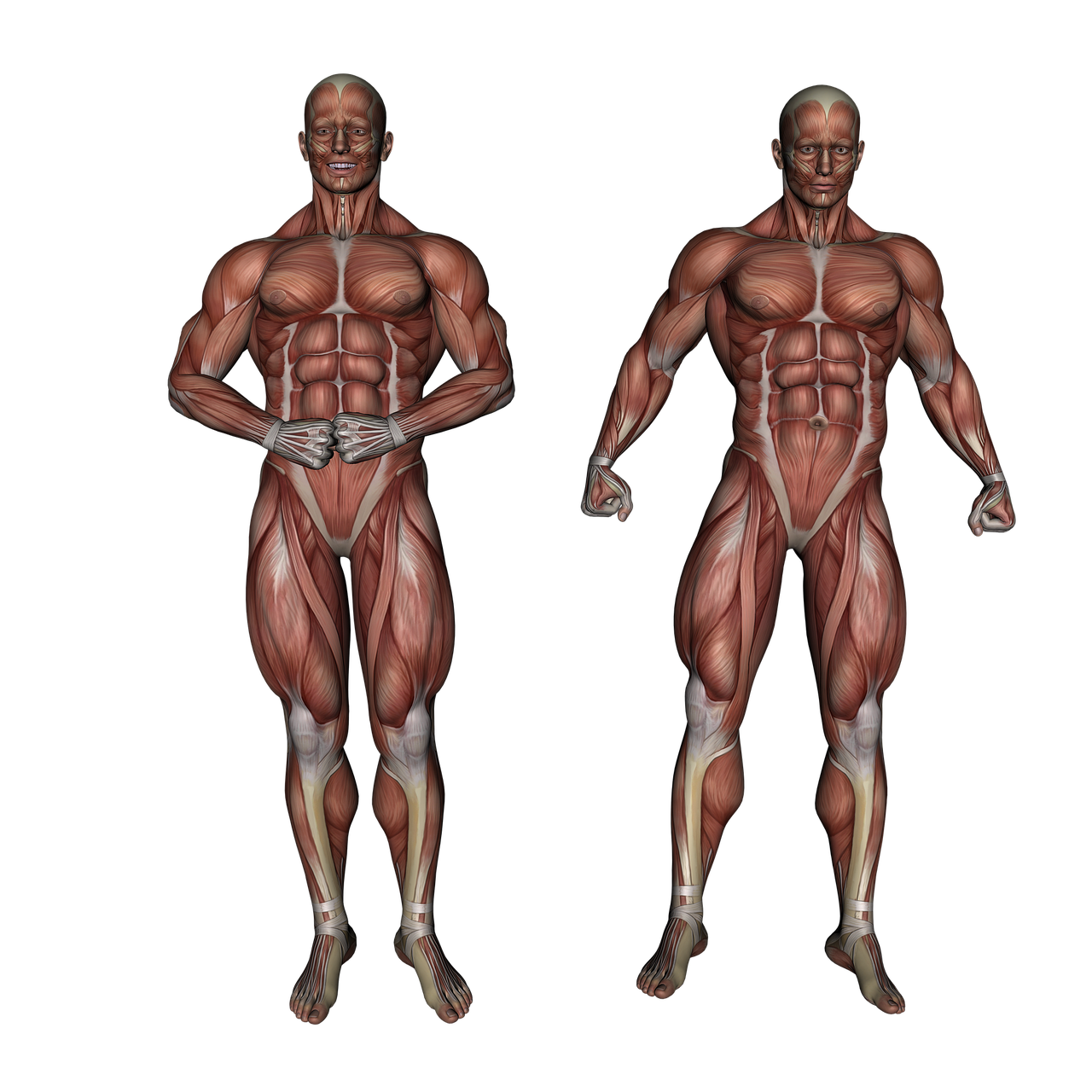
The gluteus maximus consists of two main parts: superficial and deep layers. The superficial layer primarily facilitates hip extension, while the deeper layer stabilizes the pelvis and thigh. It originates from the posterior part of the ilium, the sacrum, and the coccyx, ending at the femur’s greater trochanter. Due to its size and position, the gluteus maximus significantly impacts athletic performance and posture. A well-developed gluteus maximus enhances athletic power, particularly in sprinting and jumping events. Strengthening this muscle reduces the risk of lower back injuries, which are common among those engaging in heavy lifting. It is also essential for maintaining proper pelvic alignment, which promotes balance during various movements. To effectively strengthen and shape the glutes, specific isolation exercises should be incorporated into any training regimen. Furthermore, dynamic movements such as kettlebell swings can contribute to overall muscular endurance. Balance training can also improve stability, crucial for other compound exercises like squats and deadlifts.
Training the gluteus maximus requires a well-balanced approach that includes various exercises to hit different muscle fibers effectively. Traditional squats are excellent for targeting the glutes, but variations like sumo squats can further emphasize the muscle’s inner fibers. Incorporating resistance bands during workouts can help activate the glutes more effectively. To engage the muscle throughout the full range of motion, including exercises like Romanian deadlifts and cable kickbacks can lead to noticeable growth. A common mistake when training the glutes is focusing solely on heavy weights without proper form. It’s important to demonstrate controlled movements to ensure the gluteus maximus is engaged during each exercise. Additionally, activating the core can further assist in stabilizing the pelvis, enhancing muscle engagement. Warm-up routines that include dynamic stretching can prepare the muscles for more intense workouts, minimizing injury risks. Recovery is equally important, as allowing time for muscle repair fosters growth and strength. Integrating both strength and mobility work ensures balanced training for the gluteus maximus.
Effective Exercises for Glute Development
When it comes to building and shaping the gluteus maximus, a variety of exercises can yield impressive results. First on the list are hip thrusts, as they directly reinforce glute activation. This exercise can be done with body weight or modified with a barbell for added resistance. Another effective movement is the glute bridge, which is particularly valuable for beginners. The Bulgarian split squat represents an excellent unilateral exercise that focuses on glute strength and balance. Additionally, lunges can also be beneficial, specifically when emphasizing the forward lunge variation. By stepping forward, the glutes are highly engaged during the thigh extension phase. Clamshells, performed with resistance bands, activate the gluteus medius as an accessory muscle to the gluteus maximus. Side-lying leg raises are another useful accessory exercise targeting the outer glute. Finally, incorporating kettlebell swings can effectively develop both glute strength and explosive power. Each of these exercises can collectively contribute to comprehensive glute training, aimed at enhancing both aesthetics and strength.
Nutrition plays a vital role in developing the gluteus maximus and achieving training goals. Consuming adequate protein builds and repairs muscles, promoting growth. Foods such as chicken, fish, eggs, and legumes provide essential nutrients for muscle recovery. Equally important is consuming healthy fats, which can help improve hormone levels and overall performance. Avocados, nuts, and olive oil are excellent sources of healthy fats that support muscle development. Carbohydrates also serve as the primary energy source for workouts, especially during high-intensity training. Whole grains, fruits, and vegetables should primarily comprise your carbohydrate sources. Staying hydrated is also crucial for optimal performance; water intake should be prioritized. Moreover, supplementing with protein powders can help meet daily intake requirements without hassle. Nutrient timing is something to consider, as consuming carbs and protein around workouts can improve muscle repair and recovery. Overall, combining a balanced diet with effective exercise will enhance glute development, contributing to a more robust physique and improved strength over time.
Preventing Injuries During Glute Training
When training the gluteus maximus, prevention of injuries is paramount for long-term success. One common issue is the overuse of the lower back during exercises such as squats and deadlifts when form is not prioritized. Learning the proper technique is essential for injury prevention, ensuring that the glutes function as intended during lifts. Utilizing cues such as keeping the chest up and driving through the heels can help alleviate this problem. Warming up adequately prepares the muscles for the demands of the workout, while also promoting blood flow and flexibility. Dynamic stretches should be included in the warm-up routine to prepare the glutes and hip flexors. Post-workout recovery is equally important; incorporating stretching and foam rolling can aid in restoring muscle flexibility and reducing soreness. Recognizing signs of overtraining—such as persistent fatigue or joint discomfort—is crucial and should be addressed early. Listening to your body, including adequate rest days and balanced routines, will significantly help maintain a healthy training regimen. Ultimately, injury prevention allows one to remain consistent and achieve desired glute development without setbacks.
In conclusion, understanding the gluteus maximus’s anatomy and role in physical movements is fundamental to effective training. Developing this crucial muscle group not only enhances physical appearance but also contributes to improved functional strength. Incorporating a mixture of strength training, isolation exercises, and proper nutrition will promote optimal glute development. Attention to form while training is vital; it’s essential to focus on the motions rather than merely lifting heavy weights. Integrating exercises that target the glutes from multiple angles ensures balanced growth and strength. Additionally, emphasizing injury prevention techniques will allow one to persist in their journey without setbacks. Staying informed on training methodologies and keeping nutrition in check is paramount for overall success. For anyone interested in bodybuilding, prioritizing glute training will yield significant benefits in athletic performance. Therefore, committing to a well-structured training program suited for glute development is crucial. By applying the tips mentioned here, individuals can gain a deeper understanding of how to approach their training and attain both strength and aesthetic goals.
As the gluteus maximus has a significant fashion context in today’s fitness culture, many are seeking training to enhance their physique. Our social norms often hold an ideal for glutes that are prominent and visually attractive, driving the fitness industry towards targeted glute training programs. Instagram and fitness influencers consistently share various exercises and routines designed to amplify glute strength and size. Many programs also offer specific dietary guidelines, ensuring that followers are aware of the proper nutrition needed to support their training. With the rise of online fitness coaching, a plethora of fitness apps and videos specifically focusing on glute training is now available. Assessing these resources critically can help individuals find a well-suited program that addresses their specific needs. Moreover, consulting fitness professionals may provide additional insights tailored to one’s body type and goals. Tracking progress through methods such as app usage or using video feedback can guide in achieving desired results. Social media platforms portray success stories that often motivate others to embark on their fitness journeys. Ultimately, when combined with dedication, the right approach towards glute training can yield transformative results.