
The Impact of Martial Arts on Cultural Fashion Trends
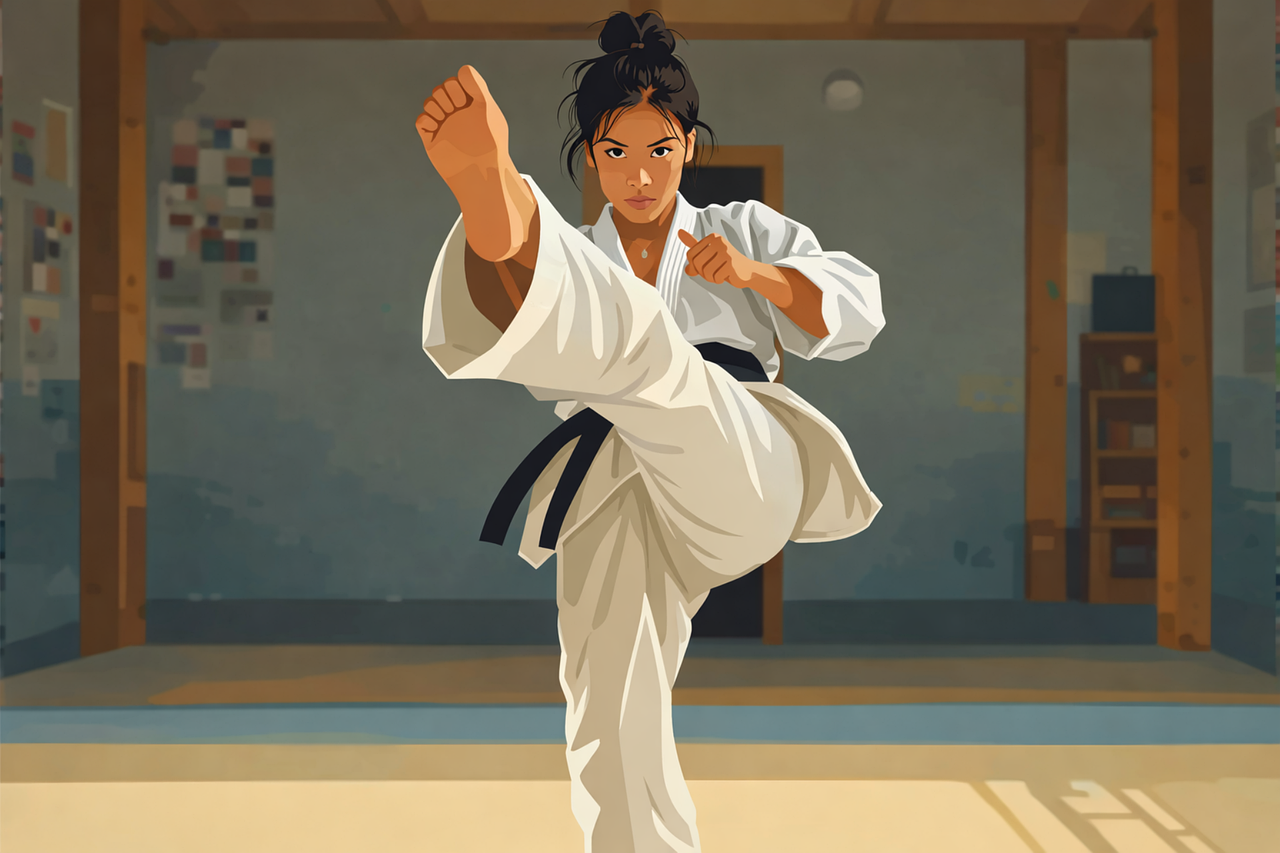
Martial arts have increasingly played a significant role in influencing cultural fashion trends across the globe. This impact can be observed in various areas, such as clothing, accessories, and even hairstyles. The visual aesthetic of martial arts is often rich, incorporating unique symbolism and traditional designs that resonate well with fashion enthusiasts. Styles like the kimono in Judo and Karate have transcended their original functions, becoming fashion statements both in casual settings and on runways. Moreover, popular culture has adopted these styles, showcasing martial arts garments in films, television, and social media, thus garnering a new audience. As martial arts gain popularity, especially in the Western world, the traditional attire associated with various disciplines influences urban clothing styles and statements. The crossover from dojo to streetwear highlights the craftsmanship found in martial arts uniforms. Key figures in martial arts, whether athletes or actors, influence trends by incorporating martial arts elements into everyday wear, creating a blend of functionality and fashion. This fusion represents a shift in how martial arts are perceived, serving as an inspiration for contemporary designers and labels, reflecting deep-rooted cultural identities.
Martial Arts in Popular Media
In recent years, the portrayal of martial arts in films and media has significantly shaped fashion trends by popularizing martial arts attire. Iconic movies featuring martial arts legends have resulted in mainstream audiences adopting these styles, leading to a heightened interest in Eastern fashion aesthetics. The influence of movies like “Enter the Dragon” and series such as “Crouching Tiger, Hidden Dragon” has propelled martial arts clothing into the global fashion dialogue. These films not only showcase breathtaking action sequences, but they also highlight unique clothing styles that reflect cultural heritage. This blend of narrative and fashion enables viewers to appreciate the significance behind each outfit. As a result, designer collections for major fashion houses have started integrating martial arts-inspired elements, featuring flowing fabrics and intricate details. Additionally, famous celebrities often wear martial arts styles on red carpets and public appearances, further legitimizing these trends in high fashion. The impact extends to fitness wear, where martial arts designs inspire activewear, creating a stylish yet functional aesthetic for workout enthusiasts. This shift demonstrates how media can transform traditional attire into contemporary fashion staples.
Beyond the screens, martial arts have paved the way for lifestyle brands that cater to the aesthetic preferences of their audience. These brands often blend traditional martial arts elements with modern design, creating unique and appealing fashion lines. This fusion resonates well with fitness enthusiasts and fashion lovers alike, providing apparel that reflects the spirit of martial arts without losing contemporary style. Clothing items like fitted jackets, comfortable athleisure wear, and vibrant accessories showcase martial arts inspiration while appealing to broader audiences. Furthermore, the rise of martial arts-inspired streetwear reflects a cultural shift towards embracing diversity in fashion. Athletes, trainers, and practitioners often endorse these brands, sharing their cultural significance and authenticity. As the global population increasingly embraces diverse cultures, martial arts fashion serves as a conduit for cross-cultural appreciation. This trend is exemplified through collaborations between martial arts professionals and established fashion labels, creating collections that celebrate martial arts aesthetics. Overall, the intersection of martial arts and fashion presents a fascinating area where tradition meets modernity, contributing significantly to the evolving nature of style across various demographics.
Traditional Martial Arts Attire and Modern Interpretations
The traditional attire associated with martial arts, such as the Gi and Dobok, is being interpreted in modern fashion throughout various collections. Many designers draw inspiration from the intricate designs and symbolic elements inherent in these garments. The elegance of the flowing fabrics and their functional design appeal to various fashion designers looking to create athleisure or activewear collections. This movement embraces the beauty and utility of martial arts garments, often merging them with street fashion trends to create a contemporary aesthetic. Modern interpretations maintain respect for tradition while cleverly incorporating modern tailoring. Brands are now creating collections highlighting these garments without necessitating a martial arts practice background. Collaborations between martial artists and fashion designers result in unique lines that showcase distinct cultural patterns, colors, and cuts. This trend not only promotes martial arts culture but also garners respect for traditional attire, emphasizing its relevance in today’s fashion landscape. This intersection of martial arts and contemporary fashion exemplifies how ancient forms can inspire future trends, reflecting cultural stories and offering consumers a fresh approach to wearing traditional garments.
Another significant aspect contributing to the impact of martial arts on fashion is the growing interest in sustainability. Many brands are beginning to create eco-friendly lines that use materials and production methods inspired by martial arts philosophies, like mindfulness and respect for nature. These sustainable practices resonate well with the values found in many martial arts disciplines, which emphasize harmony and balance. As a result, martial artists and ethical fashion enthusiasts are finding common ground. For instance, brands might utilize traditional fabrics that have sustainable origins, such as organic cotton or hemp, which can also be used in martial arts clothing. This shift towards sustainable practices not only changes how martial arts attire is perceived, but it also embraces a broader message of environmental responsibility within the fashion industry. In this evolving landscape, consumers are encouraged to consider the story behind their clothing choices. Ultimately, this harmonious relationship between martial arts ethics and sustainability is paving the way for a brighter future in fashion, one that respects cultural roots while promoting ecological awareness and responsible consumption.
The Influence of Martial Arts Practitioners
The influence of martial arts practitioners extends beyond the dojo, reaching fashion within everyday life. Prominent martial arts figures often serve as style icons, impacting how fans and audiences view martial arts-inspired outfits. These figures utilize their platforms to promote martial arts, showcasing their philosophies while influencing contemporary fashion trends. Well-known practitioners, such as Bruce Lee and Jet Li, are celebrated not only for their skills but also for their unique fashion sense that resonates with fans. Their images often fuel trends, blending martial arts aesthetics with modern styles that appeal to a broad audience. When fans see their favorite practitioners donning specific styles, it encourages them to adopt those looks, effectively blending martial arts with mainstream culture. Furthermore, social media enhances this phenomenon, as practitioners showcase outfits, promoting martial arts culture globally. The intricate details and vibrant styles inherent to martial arts attire find new life in the wardrobes of non-practitioners. This relationship between martial arts and fashion emphasizes the transformative power of culture, where artistry and movement translate into wearable works of art that inspire creativity.
In conclusion, martial arts have made a profound impact on cultural fashion trends, intertwining the spiritual and physical aspects of the disciplines with modern styles. As traditional martial arts attire garners attention from mainstream fashion, the stories and histories behind these styles become more appreciated. The influence stretches into various lifestyle sectors, as brands develop unique lines that integrate martial arts elements into casual and high-fashion collections. Celebrities and athletes play vital roles as ambassadors for these trends, paving the way for martial arts to thrive in contemporary culture. With sustainability gaining importance, martial arts ethics resonate with eco-conscious fashion, creating a dialogue between tradition and modern consumer demands. The growth of social media amplifies these trends, showcasing martial arts prowess alongside innovative styles, further bridging gaps between cultures. Overall, this dynamic reflects the ongoing evolution of culture and fashion while celebrating the rich histories contained within martial arts. As martial arts continue to inspire new generations, their impact regarding cultural attire will likely expand, enriching the dialogue surrounding fashion and identity for years.
Martial arts have increasingly played a significant role in influencing cultural fashion trends across the globe. This impact can be observed in various areas, such as clothing, accessories, and even hairstyles. The visual aesthetic of martial arts is often rich, incorporating unique symbolism and traditional designs that resonate well with fashion enthusiasts. Styles like the kimono in Judo and Karate have transcended their original functions, becoming fashion statements both in casual settings and on runways. Moreover, popular culture has adopted these styles, showcasing martial arts garments in films, television, and social media, thus garnering a new audience. As martial arts gain popularity, especially in the Western world, the traditional attire associated with various disciplines influences urban clothing styles and statements. The crossover from dojo to streetwear highlights the craftsmanship found in martial arts uniforms. Key figures in martial arts, whether athletes or actors, influence trends by incorporating martial arts elements into everyday wear, creating a blend of functionality and fashion. This fusion represents a shift in how martial arts are perceived, serving as an inspiration for contemporary designers and labels, reflecting deep-rooted cultural identities.