
Reducing Workout Distractions Using Customizable Wearable Tech
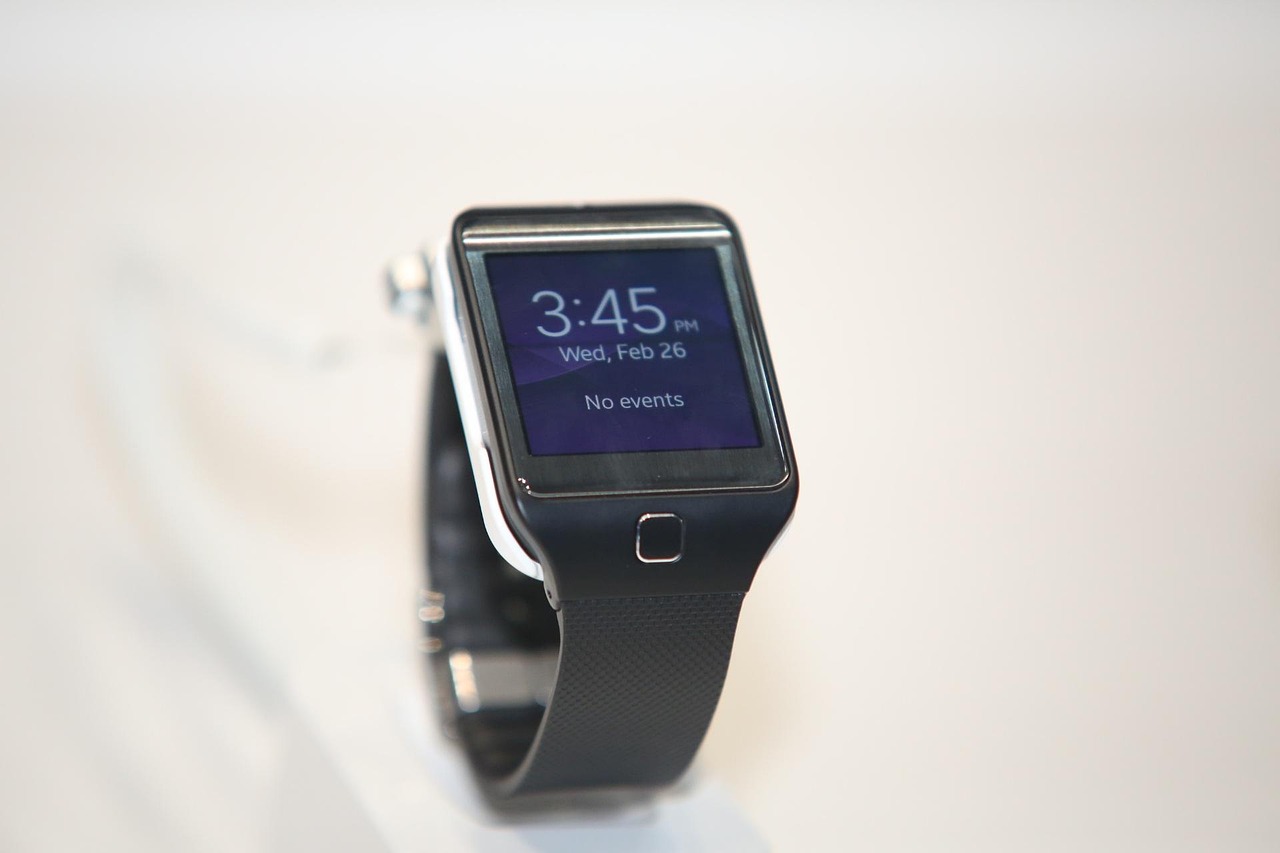
In today’s fast-paced world, every individual aims to optimize their workout experience with minimal distractions. The integration of customizable wearable technology is transforming how people engage in fitness activities. These devices focus on adapting to user preferences, promoting a seamless experience during exercises. Users can program their wearables to deliver notifications without overwhelming them. The primary goal is to create a distraction-free environment. Wearable devices equipped with interfaces that can be tailored enhance user engagement. This technology allows personalization based on individual fitness goals and preferences. Moreover, users can choose which notifications to receive, prioritizing crucial information. It is essential for wearables to facilitate a fluid communication process between users and their devices without creating unnecessary interruptions. As these innovations progress, maintaining a connection with technology enhances the workout environment for individuals who thrive on routine. Adjustments can be made to how information is displayed, ensuring that essential feedback is easily accessible. Ultimately, integrating customizable features leads to a more satisfying and focused workout experience, making fitness journeys enjoyable and effective for all.
The significance of choice in workout technology cannot be overstated. When users have the ability to customize their wearable tech, it grants them a sense of control over their fitness journeys. This option is not only about aesthetics but also about functionality and performance. Customizable interfaces on wearables facilitate increased motivation and reduced distractions during workouts. With tailored settings, users can optimize alerts, progress tracking, and music controls. This transformation allows for a distraction-free environment where users can focus purely on their activities. For example, athletes can modify music playlists directly through their wearables, elevating their workout intensity at precise moments. Furthermore, individuals seeking mental clarity can choose to mute notifications that typically cause interruptions. These decisions significantly contribute to the workout’s effectiveness and satisfaction. By minimizing external disturbances, customizable tech promotes a focused, immersive experience, fostering mental resilience and physical endurance. The concept of wearable tech extends beyond mere tracking, allowing individuals to genuinely connect with their fitness routines without drawbacks. Therefore, it is vital for wearables to prioritize customization for enhancing user engagement while achieving their fitness goals successfully.
Leveraging Data for Enhanced Performance
Wearable technology is not just about minimizing distractions; it is equally about leveraging data to enhance performance. Collecting real-time data allows wearables to provide insights that are valuable to users. Individuals can track metrics such as heart rates, calories burned, and exercise duration, affording them a comprehensive understanding of their workouts. When users understand their performance patterns, they can make informed decisions that lead to improvements. Customizable interfaces make it easy to view only the most relevant data while exercising, eliminating the clutter. For example, a runner may prefer distance and pace notifications while ignoring heart rate alerts during a less strenuous jog. This tailorability diminishes distractions and serves to enhance focused training. Furthermore, wearables equipped with artificial intelligence can predict potential pitfalls in performance, offering preemptive suggestions to users. Recommendations based on collected data help in further structuring workouts efficiently. Such technology ensures that users benefit from deep insights that are easy to access, allowing for a seamless, enriching experience. Thus, customizable interfaces contribute significantly to achieving user-defined fitness targets.
Visualizations are equally crucial elements in customizable wearables. Clear metrics presentation enhances understanding and engagement, amplifying workout efficiency and effectiveness. Users perform better when they can see progress visually, reinforcing motivation during workouts. For instance, graphs depicting performance trends can provide an immediate snapshot of advancements over time. Customizing these visual indicators allows users to focus on what matters most for their goals. The ability to toggle between different metrics ensures that users concentrate on their specific targets. Incorporating gamification elements into wearable tech serves to elevate user engagement. Users can set challenges based on their unique criteria, turning workouts into achievable, exciting experiences. This dynamic helps foster consistency and commitment while reducing boredom during otherwise monotonous routines. Engaging interfaces contribute significantly to creating enjoyable workout contexts. Moreover, wearables can tie in with social fitness platforms, promoting community and connection among users. Cultivating a supportive environment encourages consistency and accountability among fitness enthusiasts. Overall, customizable tech unleashes the potential for new fitness habits that can last a lifetime when aligned with user preferences and motivations.
The Impact of User Experience
Understanding the user experience is vital to maximizing the benefits of customizable wearable technology. When users feel comfortable with gadgets, they are more likely to engage consistently. A positive user experience begins with intuitive design, allowing effortless navigation through options and features. Customization should not come at the expense of ease of use; instead, it should enhance accessibility. Wearable tech must be user-friendly while offering substantial customization possibilities. Users must quickly learn how to adjust settings without hassle, ensuring that technology complements their routines. Comprehensive tutorials, easy settings modification, and an interactive user interface contribute to a positive experience. Personalized features should result in satisfaction but must also be adjustable over time; preferences may evolve as fitness goals change. Furthermore, understanding user feedback plays a crucial role in continuous improvement. Companies can create better products by listening to users and implementing requested modifications. This approach strengthens customer loyalty while cultivating innovation and change in the industry. Ultimately, a seamless user experience provides the necessary foundation for the full realization of custom wearable technology’s potential, promoting fitness and well-being effectively.
In conclusion, wearable technology with customizable interfaces can significantly enhance workout experiences. By offering personalization, these devices allow users to control what information they receive and when it is delivered. This tailored approach leads to increased focus and reduced distractions, allowing individuals to maximize their workout efficiency. Users’ preferences drive the overall effectiveness of wearables as they shape how the devices function. Understanding data and visual feedback can deepen engagement while facilitating better performance measures. Integrating these elements ensures that fitness journeys are exciting, motivating, and fruitful. Additionally, the continuous development of customizable wearables helps bridge the gap between fitness goals and technology. Inclusivity in design invites users from diverse fitness backgrounds to engage with the technology without frustration. As user experiences improve, more individuals feel empowered to pursue their goals actively. Feedback loops with manufacturers will only serve to highlight the importance of user needs in shaping future innovations. Ultimately, wearable technology offers opportunities to create tailored experiences in fitness that can lead to healthier lifestyles. Customizable wearables empower users to achieve something significant through this combination of personalization and innovation.
Future Trends in Wearable Technology
Looking ahead, the future of wearable technology holds immense promise for personalized fitness experiences. As advancements in technology continue to surge, expect smarter devices capable of deeper insights and adaptability. The key trend will be integrating artificial intelligence into wearables, leading to predictive analytics and more tailored user experiences. These intelligent systems will observe patterns over time, offering proactive recommendations to enhance performance. Algorithms will adapt to users continuously, enabling a truly personalized fitness journey. Furthermore, designs may become even more user-centric, focusing on ergonomics and aesthetic appeal while retaining functionality. Wearables will become seamlessly integrated into daily life, without adding clutter or complexity. Enhanced connectivity between devices may help create an ecosystem that supports holistic health initiatives. Imagine wearables collaborating not only with fitness apps but also with health monitoring systems. This might yield a complete health perspective, uniting physical activity with mental well-being. Over time, wearable tech will be more accessible, breaking barriers for individuals seeking to stay fit. Therefore, the future of customizable wearables shines brightly, poised to redefine fitness landscapes effectively and innovatively.
In conclusion, wearable technology with customizable interfaces can significantly enhance workout experiences. By offering personalization, these devices allow users to control what information they receive and when it is delivered. This tailored approach leads to increased focus and reduced distractions, allowing individuals to maximize their workout efficiency. Users’ preferences drive the overall effectiveness of wearables as they shape how the devices function. Understanding data and visual feedback can deepen engagement while facilitating better performance measures. Integrating these elements ensures that fitness journeys are exciting, motivating, and fruitful. Additionally, the continuous development of customizable wearables helps bridge the gap between fitness goals and technology. Inclusivity in design invites users from diverse fitness backgrounds to engage with the technology without frustration. As user experiences improve, more individuals feel empowered to pursue their goals actively. Feedback loops with manufacturers will only serve to highlight the importance of user needs in shaping future innovations. Ultimately, wearable technology offers opportunities to create tailored experiences in fitness that can lead to healthier lifestyles. Customizable wearables empower users to achieve something significant through this combination of personalization and innovation.