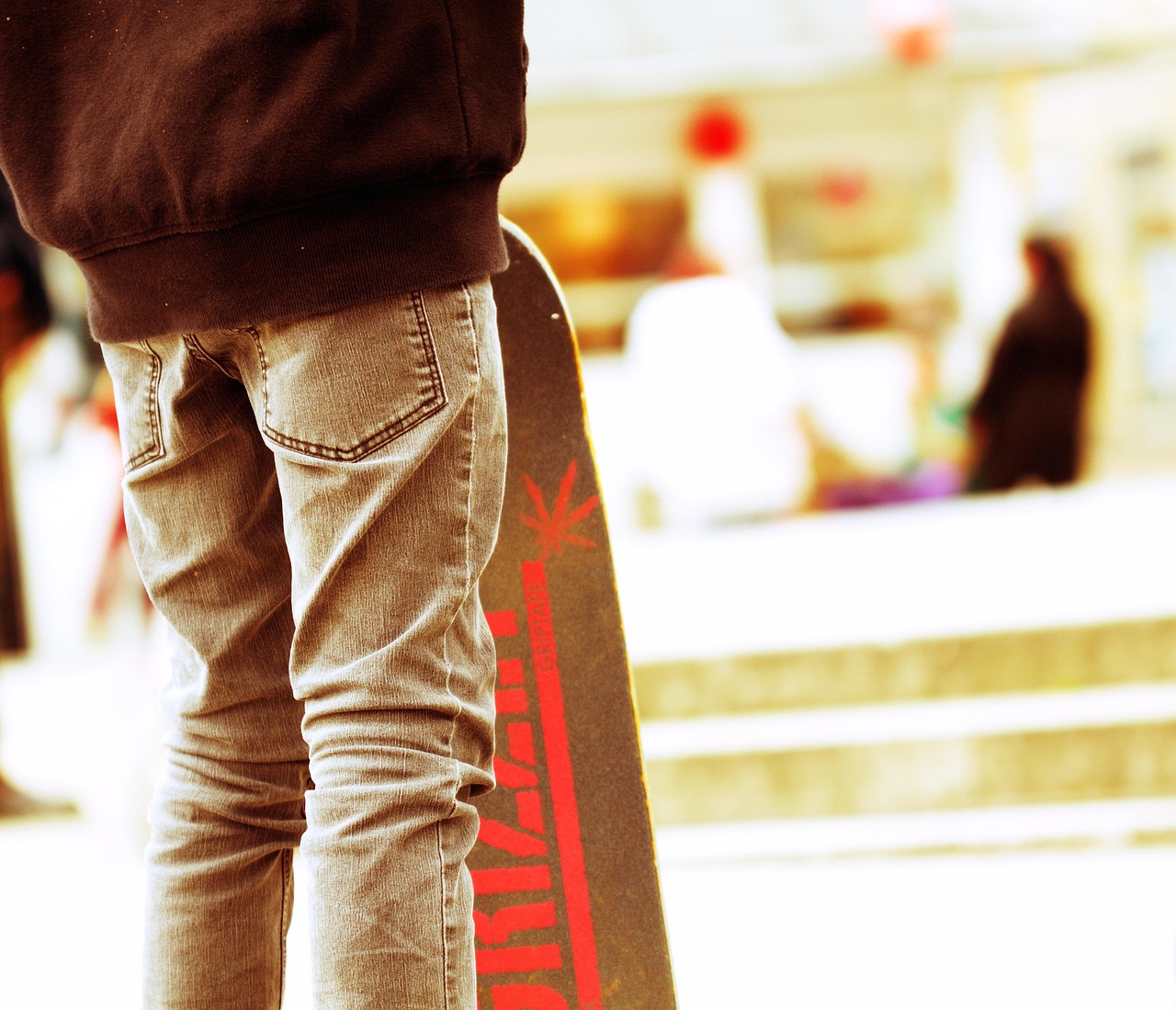

Influential Skateboarding Fashion Icons and Their Signature Styles
Fashion plays a critical role in the skateboarding subculture, often shaping its identity and culture. Among the skateboarding community, influential icons like Tony Hawk and Stacy Peralta have not only impacted the sport but have also significantly influenced skateboarding fashion. Their styles are recognized for bold colors, unique prints, and practical footwear designed for skateboarding. As the skateboarding culture continues to evolve, these icons remain inspirations for new generations. With the rise of social media, the global reach of these iconic styles transcended beyond the local skate parks, showcasing unique expressions of individuality and creativity. Various performances, skate videos, and endorsements contributed to the popularization of their looks and brands, reflecting both skateboarding’s daring spirit and artistic nature. Fashion thus serves as a visual narrative, expressing the passion, attitude, and lifestyle of skateboarders worldwide. This creates a strong sense of belonging within the community, where apparel becomes a medium through which skateboarders convey their identity effortlessly. Thus, each piece of clothing becomes more than just an outfit; it conveys a story, and sometimes even a revolution.
Embodying the essence of skateboarding culture, skateboarding fashion is characterized by distinct styles that reflect the personalities of influential figures. For instance, skateboarding legend Bob Burnquist is renowned for pioneering the blend of performance and style through his innovative apparel choices. The extensive use of baggy clothing encapsulates the free-spirited nature of the sport, allowing for comfortable and unrestricted movement. Bob’s influence is not solely through his athleticism but is also found in cultural aspects, such as promoting brands that prioritize environmental sustainability in their operations. This commitment resonates with the younger skateboarders looking for brands aligning to their values and principles. From oversized graphic tees to custom kicks, skating fashion is often a reflection of local culture and individualistic approaches. Each skateboarder often customizes their outfits, representing their personal interpretation of skating style. Moreover, collaborations between skate brands and mainstream fashion houses contribute to a cross-pollination of ideas, making skate culture relevant in the broad fashion landscape. Ultimately, these dynamic exchanges create styles that capture the energy and essence of skateboarding while pushing the boundaries of traditional fashion.
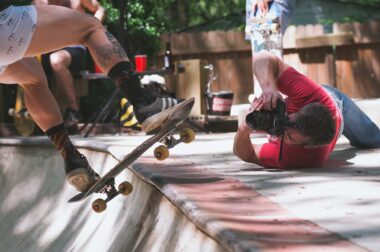
Streetwear and skateboarding fashion share a symbiotic relationship, enriched by diverse influences from music, art, and youth culture. Pioneers like Keith Hufnagel have established significant brands bridging streetwear and skate culture, showcasing how connected these realms can be. The attire often reflects countercultural sentiments, evident in styles that challenge mainstream fashion trends. Skateboarding apparel emphasizes comfort, functionality, and most importantly, authenticity. The incorporation of innovative materials and techniques culminates in items designed for the rigors of skating yet fashionable enough for everyday wear. Beyond practical considerations, fashion serves as a canvas for artistic expression, allowing skateboarders to showcase their creativity through graphic designs and personalized customizations. Many skateboarders find themselves not just as athletes but ambassadors of a lifestyle that celebrates uniqueness and non-conformity. The street environment surrounding skateboarding adds texture to the overall visual aesthetics of the outfit, fusing urban elements into their style. As more fashion icons emerge from the skateboarding world, a unified dialogue between skateboarding, art, and fashion continues to take shape, continually pushing the boundaries of what’s possible in skateboarding apparel.
The Rise of Women in Skateboarding Fashion
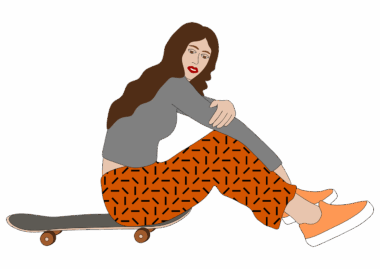
With the evolution of skateboarding, women have begun to carve their space, bringing fresh perspectives and styles to the fashion scene. Influential figures like Elissa Steamer and Lizzie Armanto have emerged, bringing athleticism together with style, dramatically shifting the landscape of skateboarding. These women challenge stereotypes by showcasing their skills on the skateboard while defining their fashion style that resonates with their personalities. Women skateboarders emphasize the importance of apparel that suits both function and aesthetics — promoting inclusivity in a predominantly male-dominated sport. Their styles often incorporate unique elements such as floral patterns, vibrant colors, and tailored fits, representing a blend of femininity with street style. The growing representation of women in skateboarding has inspired brands to rethink their marketing strategies, leading many to produce collections specifically designed for female skaters. As a result, the fashion side of skateboarding becomes more diverse, encouraging creativity and self-expression among women. This shift not only allows female skateboarders to shine but also pushes the envelope on how women are perceived in the broader cultural context of sports and fashion.
The impact of celebrity endorsements in skateboarding fashion cannot be underestimated, as figures like Lil Wayne and A$AP Rocky have used their platforms to elevate skate culture within mainstream consciousness. When celebrities embrace skateboarding styles, trends shift rapidly, making popular items like specific sneaker releases or clothing lines sell out almost instantly. Lil Wayne’s unique blend of luxury streetwear and skateboarding aesthetics has helped in representing the cultural narrative that connects skateboarding with hip-hop culture. This crossover has influenced a wave of new designers aiming to create pieces that fuse these realms. The emergence of hybrid brands that specialize in both skateboarding and luxury fashion highlights the shifts in consumer behavior, where skateboarders want to wear clothes that not only suit their tactile needs but also meet their visual aspirations. Celebrity influence, combined with innovative streetwear collections designed for performance, is shaping how brands market items. As this trend continues, it’s essential to observe how this affects both the style of skateboarders and the culture surrounding the sport. The evolution of skateboarding fashion will likely continue to reflect broader cultural shifts.
The vintage resurgence in skateboarding fashion is an emerging trend reflecting nostalgia towards styles from the past, specifically the 80s and 90s eras. This revival is fueled by a younger generation’s desire to adopt retro aesthetics, which blend comfort with casual skater wear. With brands embracing throwback collections consisting of oversized graphic tees and high-waisted shorts, everyone sees a nod to the classic styles famous during the iconic skateboarding times. Skate shops and online retailers are constantly bringing back vintage designs, allowing enthusiasts to incorporate these authentic elements into their current wardrobe. Influential skateboarders often sport thrifted items or iconic brands like Vans and Converse that were integral to skate culture in decades past. Many skateboarders are reinterpreting old trends through a modern lens, creating a brand new style that honors its history. Vintage skate gear isn’t just about the gameplay; it evokes sentiments and memories shared by older skaters while introducing younger fans to the rebellious essence of the culture. Ultimately, the consistency of this trend points to an enduring legacy that continues influencing contemporary skateboarding fashion.
Future Trends in Skateboarding Fashion
As skateboarding progresses, emerging technologies are likely to shape the future of apparel significantly. Innovations such as 3D printing, sustainable materials, and custom fit technology will redefine how skateboarding gear is designed and produced. Brands are beginning to prioritize environmentally friendly materials to appeal to socially conscious skateboarders who seek sustainable options. This evolution in production methods aims to meet the demands of consumers while emphasizing the need for a lighter ecological footprint in the skateboarding community. Moreover, the evolution of digital platforms and social media enables skateboarders to dictate fashion trends, allowing individuals to voice opinions about new styles and apparel designs that suit their aesthetic. Influencers and skateboarders alike can embrace their creativity through social media and fashion collaborations, further enhancing community engagement. Skateboarders will continue to seek unique styles that reflect their identities in a fast-paced, increasingly globalized world. Trends like gender-neutral designs and sizes are likely to provide more options for skateboarders of all backgrounds. The growing belief that skateboarding fashion can be both functional and fashionable signifies an exciting future filled with endless possibilities.
In conclusion, skateboarding fashion is an ever-evolving landscape influenced by various factors such as cultural movements, technological advancements, and community voices. The impact of influential skateboarding icons, both past and present, considerably shapes the styles we see on and off the skateboard. As skateboarders continue to express themselves through their clothing, the narratives are intertwined with their identities, ultimately contributing to a rich fabric of skateboarding culture. Skateboarding is not merely about tricks and skills; it encapsulates a lifestyle, values, and artistic expression through fashion choices that define a generation. Through the years, skateboarding fashion has incorporated diverse influences reflecting individualism and creativity. The community’s emphasis on inclusivity and representation in style signifies a promising journey for the future of skateboarding apparel. The trends we see unfolding invoke the power of collaboration and innovation, suggesting a dynamic transformation in the way skate fashion is perceived. Through continuous exploration and honoring the foundational roots, skateboarding fashion will undoubtedly thrive in adapting to future trends, reflecting the vibrant culture it represents.