
Classic vs Modern Fitness Competition Poses in International Events
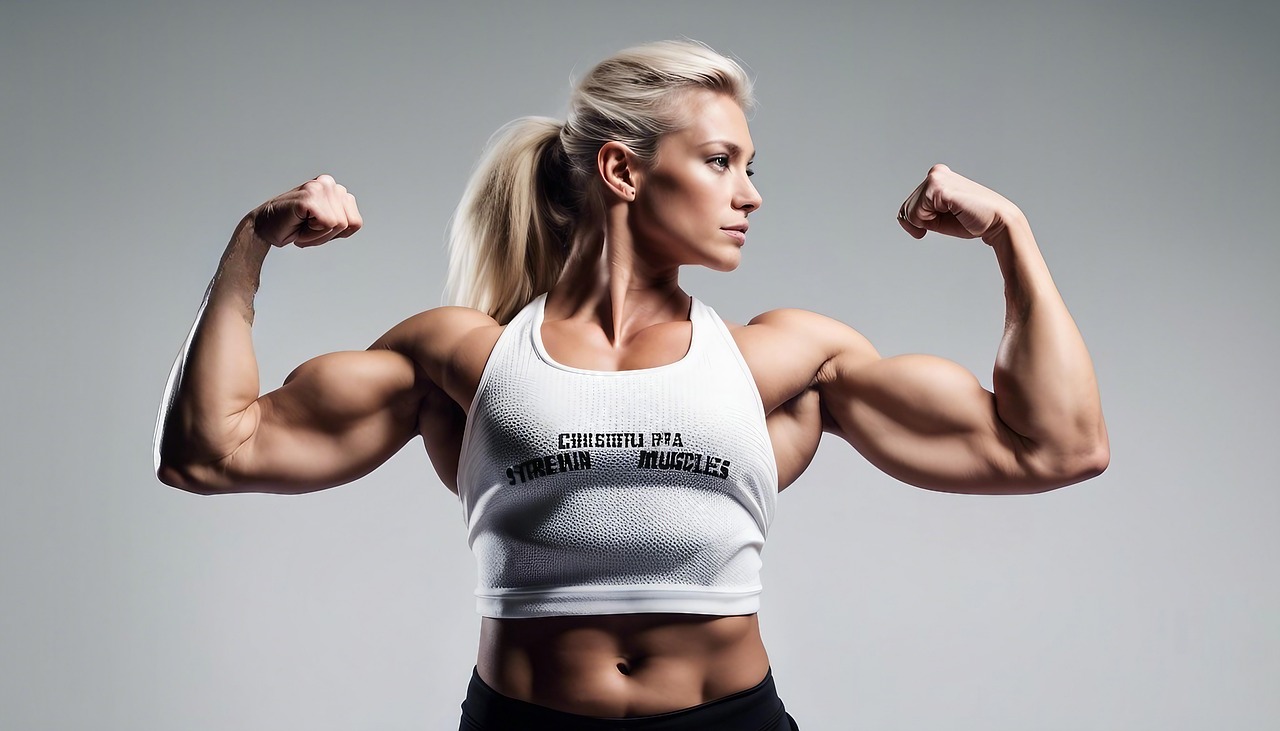
Fitness competitions have evolved significantly over the years, showcasing different styles and techniques that embody the physical prowess of athletes. A classic pose, such as the front double bicep, emphasizes muscle definition and symmetry, highlighting the shoulders and biceps. This pose has remained popular due to its effectiveness in demonstrating upper body strength. On the other hand, modern fitness poses often focus on flexibility and fluidity, incorporating dynamic movements that engage the audience more effectively. The transition from static holds to more dynamic, flow-based poses reflects a broader shift in the fitness culture, prioritizing performance alongside aesthetics. Competitors now blend traditional poses with innovative techniques to create a unique routine. Each athlete strategically selects poses to showcase their physique while adhering to competition guidelines. The criteria for posing have also adjusted to encourage a broader spectrum of body types and fitness levels, making competitions more inclusive. Overall, these shifts in posing represent a nuanced understanding of fitness that celebrates diversity within the community.
Classic fitness poses, like the side chest and back lat spread, serve as essential components in competitions. These poses allow judges to assess muscle development, conditioning, and overall balance. The significance of these poses cannot be overstated; they have become a part of the foundation upon which competitions are built. Throughout time, athletes have honed their abilities to present themselves favorably, showcasing not just size, but also definition. Coaches work meticulously to ensure that their competitors possess the skills necessary to perform these poses effectively. Modern poses, in contrast, have led to the inclusion of artistic elements, such as dance and storytelling, making routines more visually captivating. This evolution allows competitors to express their unique styles and personalities on stage. Judges are now tasked with evaluating a broader range of criteria, including presentation, creativity, and showmanship. As fitness enthusiasts turn to social media to showcase their routines, blending classic with modern poses also elevates their visibility, creating stronger connections with fans. The juxtaposition of these two styles continues to enrich the competitive landscape.
Transitioning from Classic to Modern Poses
The transition from classic to modern fitness competition poses reflects broader cultural shifts within the health and wellness community. Athletes have started embracing a variety of influences that resonate with contemporary audiences. Social media platforms like Instagram and TikTok play an essential role in shaping these trends, as innovative movement patterns and visually striking routines gain popularity. Athletes are now expected not only to display their physical attributes but also to engage their audience through captivating performances. This aspect has led to the rise of mixed routines that incorporate elements of dance, acrobatics, and even yoga. The essence of fitness has diversified, allowing competitors to convey narratives and communicate personal journeys through their poses. This shift fosters creativity and allows athletes to connect on a human level. Traditionalists in the community may argue that focusing on entertainment detracts from the discipline of competitive fitness. However, the integration of artistry serves to broaden participation and appreciation for fitness as a whole, making competitions more appealing to the general public.
One significant factor influencing the evolution in posing is the rising prominence of inclusivity in fitness competitions. Athletes from diverse backgrounds are increasingly invited to showcase their unique physiques, breaking away from the rigid criteria established in traditional competitions. For instance, plus-size competitors are redefining the standards by presenting themselves confidently in both classic and modern poses. These changes promote the idea that fitness is not solely about aesthetics; it also encompasses strength, grace, and endurance. Judges’ criteria have evolved to recognize the importance of how individuals express their identity through physical presentation. Competitions now celebrate variations in shape, size, and style, underlining the importance of personal expression in fitness. This newfound inclusivity is revolutionizing the competitive sphere, allowing more women and men to participate in events where they previously felt excluded. Furthermore, the emergence of categories like physique and wellness further reflects this shift. Athletes are embracing their individuality, promoting healthier body image perceptions while participating in competitive arenas, enabling a more positive environment for everyone involved.
Judging Criteria and Evolving Standards
As fitness competitions have evolved, so too have the judging standards and criteria applied during events. Judges are now tasked with evaluating not only traditional poses but the overall aesthetic of routines that include modern elements. This includes aspects such as transitions between poses, creativity, and overall performance quality. For classic poses, judges continue to prioritize muscle size and definition, symmetry, and conditioning, which are fundamental to assessing competitors. However, in modern competitions, the scoring may weigh heavily on an athlete’s ability to interpret music, the flow of movements, and how well they engage the audience. The balance between classic expectations and modern expressions creates a unique challenge for athletes in the competitive space. To excel, they must master both styles, demonstrating a wide range of skills that cater to evolving desires within the fitness community. These assessments enable competitors to cultivate a deeper understanding of their bodies and improve their performances significantly through targeted practice and feedback. Overall, the objective remains to raise the standard and elevate the athletes in pursuit of excellence.
Athletes now have various resources available to help them navigate the balance between classic and modern fitness competition poses. Training programs often incorporate elements from both styles, allowing athletes to develop a versatile skill set. In addition, online tutorials and workshops are becoming increasingly popular, providing insight from seasoned competitors and coaches. This sharing of knowledge contributes to a more well-rounded understanding of posing techniques that will resonate with judges. Furthermore, social media serves as an invaluable platform for showcasing innovative routines, enabling athletes to gain inspiration and refine their skills continuously. Competitions provide opportunities for networking and collaboration, encouraging athletes to learn from one another. Building a supportive community can further amplify individual journeys and expressions within the fitness world. Overall, these resources empower athletes to set and achieve personal goals in competition. As training approaches evolve, so does an athlete’s understanding of their body and its capabilities, enhancing both their confidence and stage presence. This ongoing journey of discovery plays a significant role in shaping the future of fitness competitions.
The Future of Fitness Competitions
The future of fitness competitions promises continued evolution, marking an era of collaboration and creativity. As classic and modern fitness posing techniques intersect, there’s potential for brand-new trends to emerge that blend strength with artistry. Organizers may prioritize innovative formats or themes that further engage audiences and elevate the importance of performance in competitions. Posing routines could incorporate elements from various cultural backgrounds, showing a rich tapestry of fitness traditions worldwide. This inclusivity will generate excitement and curiosity in potential competitors, inspiring them to participate. Additionally, fitness competitions may incorporate technology, such as virtual or hybrid events that expand accessibility and widen participation. As athletes navigate these changes, they’ll be encouraged to embrace the dynamic nature of the fitness landscape. The merging of traditional standards with contemporary approaches will redefine success, allowing personal expression and individual achievements to take center stage. In this environment, creativity, diversity, and authenticity in competitive fitness will foster deeper connections between athletes and their audiences, paving the way for future generations to thrive. Ultimately, this transformation highlights a growing appreciation for fitness as an ever-evolving form of art.