
How Barometric Pressure Changes Can Influence Triathlon Training
Triathlon training is a comprehensive endeavor that requires attention to various environmental factors, particularly weather elements like barometric pressure. Barometric pressure can dramatically influence an athlete’s performance during training sessions or competitions. Higher barometric pressure usually indicates clearer and more stable weather, which can lead to enhanced performance. Conversely, lower barometric pressure may signal impending storms or severe weather, affecting the training regimen of triathletes. It’s essential to monitor these fluctuations during training, as they can impact not only the body’s physiological responses but also mental preparedness. Triathletes must consider these variables and adjust their schedules effectively to optimize their performance. Training in varying conditions will also empower them to adapt better when weather changes occur unexpectedly during races. Moreover, staying informed allows athletes to prepare better both physically and mentally, thus enhancing their likelihood of meeting personal goals. Understanding the implications of barometric changes is a fundamental aspect of holistic triathlon training strategies aimed at peak performance, ultimately ensuring the athlete remains competitive. With effective planning and awareness of barometric trends, triathletes can maintain their competitive edge throughout the season.
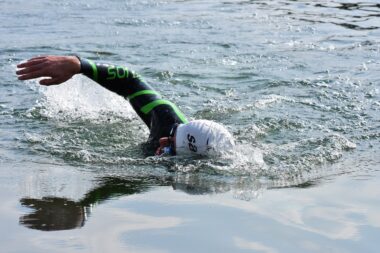
Barometric pressure changes can also affect the aerodynamics and buoyancy experienced by triathletes in water. As pressure decreases, water becomes less dense, impacting swimmers’ buoyancy, which significantly affects their performance in open water. This shift may create additional resistance, necessitating adjustments in swimming techniques to ensure efficiency and speed. Triathletes need to adapt their training sessions accordingly, focusing on honing skills that account for variable buoyancy levels. Furthermore, understanding how to manage swim workouts in different barometric conditions will provide triathletes with a competitive advantage, allowing them to maintain a consistent performance in events. To optimize swimming outcomes, athletes should incorporate techniques adapted to both high and low-pressure environments, ensuring they don’t compromise their swim times. Additionally, it’s advisable for triathletes to practice in conditions mirroring race day even if the barometric pressure varies significantly. Making these adjustments not only enhances swimming performance but also contributes to overall confidence during races, ensuring triathletes are well-prepared to face any environmental challenges on competition day. Consequently, awareness of barometric pressure’s impact on aquatic performance cannot be underestimated in triathlon training.
One significant aspect of a triathlon is the running segment, where barometric pressure also plays a vital role. As pressure decreases, the effects of humidity and temperature increase, potentially leading to discomfort and fatigue. Higher humidity levels combined with lower air pressure can create a prime environment for exhaustion. As the body tries to regulate temperature during a run, the perceived exertion rises, impacting overall performance. Consequently, triathletes engaging in outdoor runs should develop strategies to cope with variable barometric conditions. This approach includes proper hydration, pacing, and nutrition management tailored to the weather conditions, all crucial for maintaining energy levels and preventing overheating. Furthermore, adjusting running schedules to times of day when pressure is favorable can improve performance and minimize stress on the body. Strengthening one’s knowledge about how barometric pressure interacts with running techniques can significantly enhance endurance and speed. While training, incorporating trial runs can help athletes gauge their response to various pressure conditions, leading to better preparedness during competitions. A concerted effort to integrate these strategies will ensure successful adaptation while navigating changes in atmospheric conditions.
Another critical weather consideration in triathlon training is the impact of barometric pressure on cardiovascular function during high-intensity workouts. Decreased barometric pressure can lead to lower oxygen availability in the atmosphere, making it vital for athletes to acclimatize their bodies adequately. Lack of oxygen can cause early fatigue and hinder overall performance during races and intense training sessions. Triathletes may enhance their endurance by incorporating altitude training or simulating high-altitude conditions in their regimen. Understanding the effects of barometric shifts on oxygen levels can help in developing a tailored approach for effective training, ensuring optimal cardiovascular endurance. Furthermore, training with an emphasis on efficiency can counteract any adverse effects caused by pressure fluctuations. Triathletes need to engage in various breathing techniques to maximize oxygen intake when training at lower pressure levels. These methods also strengthen the respiratory system, promoting overall fitness. Thus, leveraging knowledge of the relationship between barometric pressure and cardiovascular function can improve physical resilience against fluctuating conditions on race day, ultimately leading to superior performances in competitions.
Importance of Monitoring Weather Conditions
Consistent monitoring of weather conditions becomes paramount when considering the influence of barometric pressure on triathlon training. Athletes who pay close attention to daily weather reports and changes in atmospheric pressure can craft highly effective training schedules. Specific applications and devices can help monitor these factors, providing real-time information that helps triathletes make informed decisions. Training effectively using technology can enhance an athlete’s preparedness for varying race-day conditions, particularly those linked to pressure changes. Therefore, embracing modern solutions to observe weather patterns not only optimizes training regimens but also develops mental resilience. By being aware of possible barometric pressure fluctuations, athletes can anticipate potential issues, enabling them to devise alternative strategies for training under less-than-ideal conditions. Adapting workouts to focus on acclimatization strategies, such as longer warming up or cooling down, plays an essential role in training success. Moreover, incorporating flexibility into training schedules allows triathletes to harness favorable weather opportunities as they arise. Keeping a diligent eye on pressure changes underpins a successful triathlon training regimen, ensuring optimal readiness when race-day pressures hit.
The psychological aspects of dealing with barometric pressure changes during triathlon training cannot be overlooked either. Weather fluctuations can lead to various emotional responses and mental blocks, affecting athletes’ confidence and motivation. Stress related to unexpected changes can hinder focus, which is pivotal for successful training sessions. Developing both mental and physical resilience is crucial, especially when adapting to unpredictable conditions that affect performance. Incorporating mindfulness techniques, visualization, and strategic goal-setting can empower triathletes to better manage their responses to barometric pressure changes. A strong mental approach is just as important as the physical component when it comes to optimizing performance. Moreover, discussing experiences with fellow triathletes can help in cultivating a supportive environment where issues regarding weather changes are openly addressed. This practice provides camaraderie and sharing of coping strategies amongst athletes. By fostering mental strength alongside physical training, triathletes can adapt more readily to fluctuating conditions, ensuring they stay focused and motivated even in challenging circumstances. Thus, recognizing the mental side of managing barometric pressure is imperative for effective training.
Conclusion on Barometric Pressure Effects
In conclusion, understanding the effects of barometric pressure on triathlon training is essential for reaching peak performance levels. Athletes who recognize how pressure fluctuations impact various elements such as buoyancy, running conditions, and cardiovascular function can develop tailored training regimens. This grounded knowledge enables athletes to adapt, overcome adversities posed by weather changes, and enhance their overall fitness. Additionally, monitoring weather conditions can provide insights that allow for effective planning and improved performance strategies. They can effectively craft schedules that leverage good weather for optimal training results while preparing to overcome challenges during adverse conditions. Furthermore, fostering both mental and physical resilience amid varying pressures forms a crucial aspect of development in triumphant triathletes. This holistic approach ensures that athletes maintain not only optimal physical preparedness but also a robust mental state, critical for endurance sports. Ultimately, understanding and adapting to barometric pressure variations empower triathletes to meet their goals head-on, maximizing their capabilities to perform under any competitive condition. By integrating these insights, triathletes can attain greater achievements in their training and future races.
As an extension to this topic, it would also be beneficial for triathletes to engage in discussions with coaches or experienced athletes who have dealt with weather variations related to barometric pressure. By sharing knowledge and experiences, newcomers to the sport can gain practical insights into how to manage their training effectively. Learning from others’ successes and setbacks contributes to building a more resilient triathlon community, prepared to face weather-related challenges together. Regular group sessions, workshops, and forums can enhance the learning experience and foster a culture of continuous improvement. Furthermore, utilizing social media platforms to connect with fellow triathletes can also serve as an informal yet valuable knowledge-sharing tool. It provides a sense of camaraderie that is vital in a sport that relies heavily on personal discipline and motivation. Overall, developing a well-rounded perspective that encompasses both physical training and community support enhances triathletes’ performance amid changing atmospheric conditions. Together, athletes can navigate the complexities of training in varying weather conditions, setting a foundation for success in triathlon competitions.