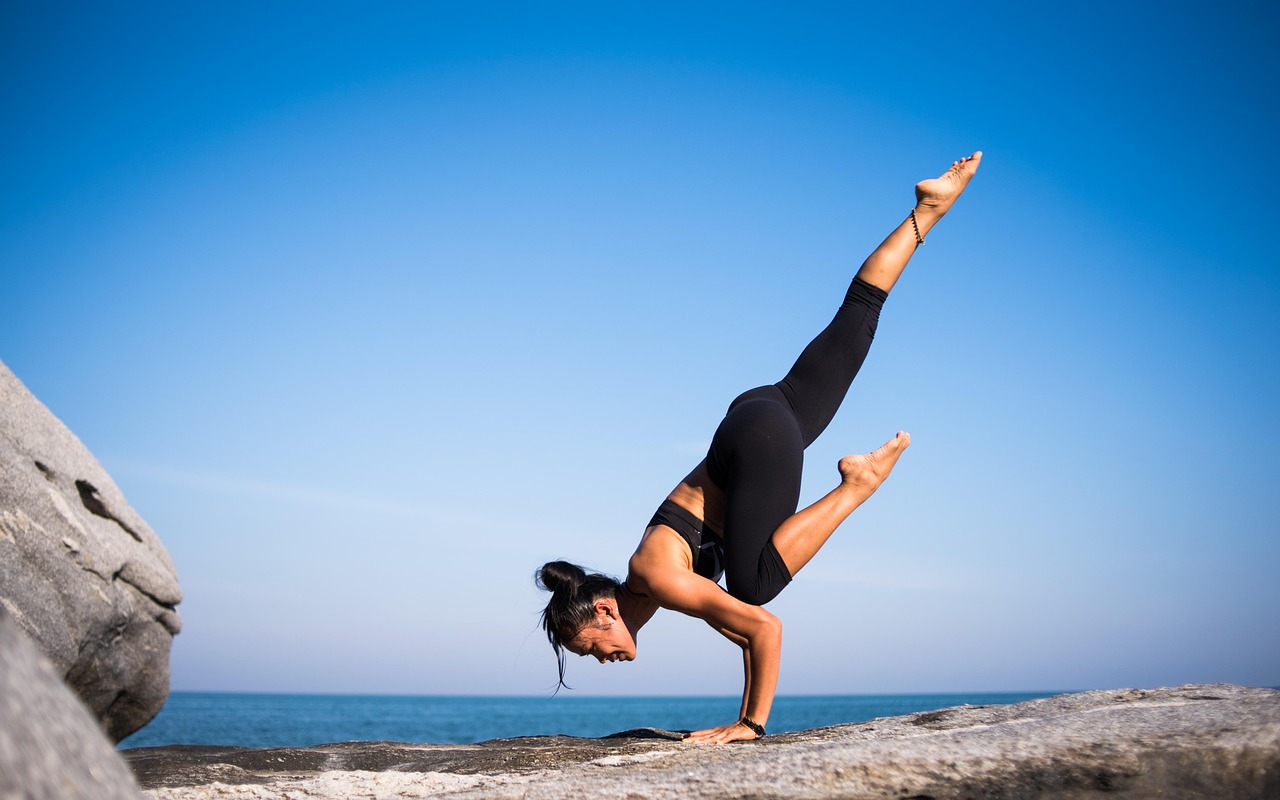

Beginner’s Guide to Bodyweight Balance Exercises
Balance training is a crucial component of fitness, greatly enhancing stability and core strength. Engaging in bodyweight exercises for balance can help individuals perform daily activities with ease. These exercises rely on the individual’s own weight as resistance, minimizing the need for equipment. Not only do they improve balance, but they also promote coordination and agility. Practicing these movements regularly can boost athletic performance, making them essential for athletes as well. Furthermore, balance training aids in injury prevention by educating the body on stabilization mechanisms. The greatest benefit of bodyweight balance exercises is accessibility; you can do them anywhere and anytime. They are suitable for all fitness levels, from beginners to advanced participants. It can simply be ascertained that bodyweight balance exercises form a fundamental pillar of a well-rounded fitness regimen, contributing to overall health. Integrating these exercises into your routine can lead to remarkable improvements in functional strength and stability. In the following sections, we will delve deeper into specific exercises that can aid beginners in mastering their balance effectively.
Essential Bodyweight Balance Exercises
Bodyweight balance exercises encompass a variety of movements designed to enhance stability, focus, and control. Incorporating these exercises into workouts can yield significant improvements over time. One of the simplest exercises to begin with is the tree pose, where you stand on one leg and place the opposite foot on your inner thigh while raising your arms above. Another fantastic option is the single-leg deadlift; this involves leaning forward on one leg while extending the opposite leg back. The bird dog is another fantastic exercise where, on all fours, one extends the opposite arm and leg simultaneously. Adding these exercises to your regime can help strengthen the core muscles, which play an integral role in maintaining balance. Additionally, you can practice lunges and squats, focusing on holding the positions for stability. It’s paramount to push oneself gradually, ensuring the foundations are built before advancing. Performing these exercises in various environments, such as on an unstable surface, can further enhance the training. Keeping a consistent practice will not only improve physical balance but also heighten mental focus.
Starting with balance exercises can be daunting, but understanding some basics will ease your transition. Begin with warm-ups to prepare your muscles and joints. Activities like leg swings or ankle rotations can be beneficial in this aspect. When performing balance exercises, maintain a strong core and focus on your breath to help with posture. Keeping your eyes fixed on a single point aids significantly in maintaining balance during movements; this is often referred to as visual focus. Gradual increments in difficulty, such as closing your eyes or using cushions, can intensify your training without risking safety. Always listen to your body and avoid pushing past limits to prevent injury. Emphasis should be placed on controlled, deliberate movements rather than speed. Moreover, incorporating variety in balance training can keep it engaging and less monotonous. Another key element is recovery; allowing your muscles to rest and recuperate after a workout is critical. Stay consistent, as patience is essential in developing improved balance and stability over time.
The Role of Core Strength in Balance
The core is the foundation for all movements in the body, significantly impacting balance. Strengthening core muscles enhances the body’s overall stability and control. Engaging in bodyweight exercises that focus on core development can complement balance training effectively. Exercises like planks, side planks, and bicycle crunches contribute to building a strong core. A powerful core provides support to maintain balance in various activities, whether static or dynamic. Furthermore, the interconnection between core strength and overall athletic performance cannot be understated. Competitive athletes use balance and core-strengthening exercises to serve various purposes in their training routines. As core muscles become more robust, the body learns to manage shifting weights and maintain equilibrium during dynamic movements. Incorporating core-focused routines alongside balance exercises will yield optimal results. It is essential to remember that balance and core strength go hand in hand, affecting performance in sports and daily life. Thus, dedicating time to core training is crucial for anyone serious about improving balance.
Maintaining motivation while engaging in balance training can be challenging, especially for beginners. Setting realistic goals helps to create a clear pathway to progress. Using a journal to track performance can further enhance motivation by providing evidence of improvement over time. Moreover, working out with a partner can make exercises more enjoyable while fostering a sense of accountability. Having a workout buddy encourages mutual support, which is beneficial for maintaining enthusiasm. Engaging in community group classes or online sessions can introduce new forms of balance training, which can keep you inspired. Furthermore, incentivizing oneself with rewards for consistent practice can offer motivation to meet targets. Diversifying your routine or setting up challenges can also help combat plateauing. Cultivating a positive mindset while training encourages higher levels of engagement and enjoyment. Establishing a routine and incorporating balance exercises into daily life can amplify dedication to the practice. Most importantly, focusing on the enjoyment of the process rather than the immediate outcomes will yield rewarding experiences. Balance training should ultimately be fun and fulfilling while fostering personal growth.
Incorporating Balance Training into Your Routine
Incorporating balance training into your existing fitness routine requires strategic planning for maximal results. A practical approach begins by identifying windows of opportunity throughout the week for targeted balance workouts. The ideal scenario is to integrate balance exercises into your warm-ups and cooldowns, enhancing their effectiveness. You can also carve out specific days dedicated solely to balance work. Committing to a certain amount of time on balance-centric activities pays dividends over time. Mixing balance training with other forms of exercise creates a comprehensive fitness regimen. For example, you might perform resistance training followed by balance-focused movements to challenge your body effectively. Furthermore, it’s helpful to name specific exercises you want to master and track progress in those areas. Online tutorials or instructional videos provide invaluable resources for learning proper techniques. Additionally, creating a warm and inviting atmosphere during practice fosters comfort and confidence, encouraging more substantial commitment. Setting milestones can aid in maintaining focus and keep you moving in the right direction. Remember, every little bit counts!
As you delve deeper into balance training, it’s critical to assess your progress and adjust your routines accordingly. Keeping a log of your sessions helps in recognizing areas requiring additional focus or changes. Adjustments could involve increasing duration in balancing poses or other strategies to make exercises slightly more challenging over time. Evaluating physical sensations during workouts is essential; adjusting intensity can directly impact resulting effectiveness. If certain movements feel too easy, consider increasing the challenge or attempting variations. Staying attuned to your body’s responses encourages safer practices, reducing the likelihood of injuries. Alternatively, if you experience fatigue, allow yourself adequate rest to recover fully. Progress in bodyweight balance training may initially seem slow but is often gradual and consistent over time. Celebrate small wins, whether it’s achieving proper form or holding a pose longer. Each achievement signifies growth within your journey. Ultimately, adhering to the principles of balance training can lead to enhanced stability and overall health. Engaging in bodyweight exercises is an enjoyable pathway toward development and improvement.
Final Thoughts on Balance and Bodyweight Training
In conclusion, bodyweight balance exercises are not only essential for beginners but also important for individuals at all fitness levels. Emphasizing balance training within a fitness regimen fosters numerous physical and mental benefits. It enhances stability, coordination, and strength, which are crucial for overall movement. Moreover, with minimal requirements for equipment, these exercises can be performed virtually anywhere, making them incredibly accessible. Establishing balance training routines promotes mindfulness within workouts, increasing body awareness. As you progress, the versatility in exercises keeps training engaging and prevents stagnation. Regularly incorporating balance training rewards practice with increased confidence and improved athletic performance. The beauty of bodyweight exercises lies in their adaptability; they can cater to individual fitness levels and abilities. In essence, transforming balance training into a cornerstone of your fitness journey can lead to enriched experiences. It unlocks the potential for a healthier, stronger you. Practicing consistently over time is key for seeing tangible results. So, get started today! Embrace your journey with balance workouts, and uncover the fantastic benefits they bring.