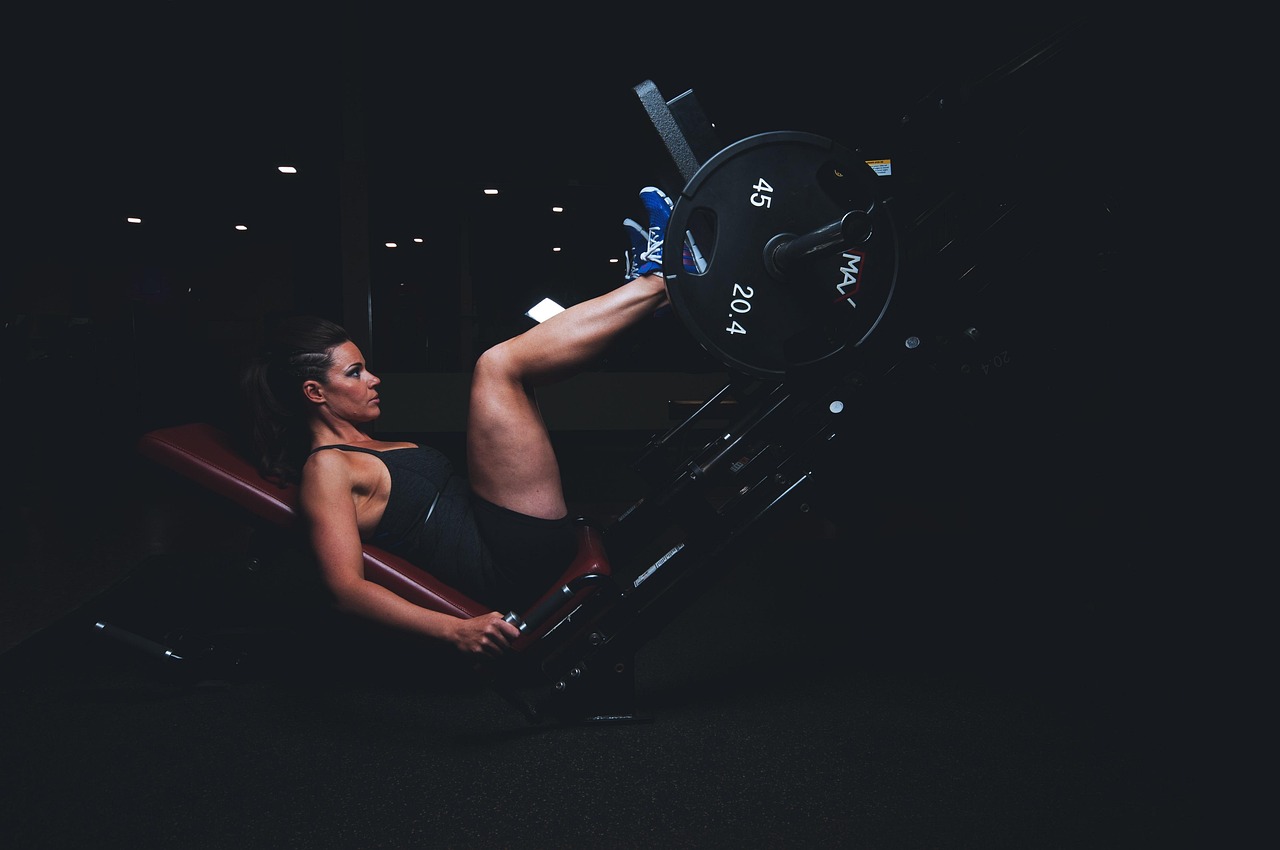

Role of Catecholamines in Acute Exercise Stress Responses
Catecholamines, including epinephrine and norepinephrine, are crucial hormones secreted during acute exercise, impacting various physiological responses. These hormones significantly influence cardiovascular activity, increasing heart rate and cardiac output to meet the demands of physical exertion. They promote the redistribution of blood flow, directing it toward essential organs like the muscles and brain. Additionally, catecholamines induce glycogenolysis, leading to heightened blood glucose levels, providing a rapid energy source. Activation of glycogenolysis supports higher performance during strenuous activities by ensuring muscles receive sufficient fuel. Moreover, the release of catecholamines stimulates lipolysis, facilitating fat breakdown for energy, particularly during prolonged exercise. This metabolic shift enhances endurance and performance. Importantly, catecholamines also affect muscle contractility, increasing the force of contraction through enhanced calcium availability for muscle fibers. Furthermore, these hormones modulate metabolism and improve systemic responses to stress. Understanding how catecholamines work during exercise can inform training regimens and recovery strategies. Their vital role not only aids in immediate physical performance but also contributes to overall adaptations to exercise training. Consequently, maximizing catecholamine response can improve athletic success.
During intense exercise, the body’s stress response is activated, which includes the immediate release of catecholamines. This release is primarily triggered by physical and psychological stressors, a mechanism that prepares the body for fight or flight responses. In sports and high-adrenaline activities, understanding the dynamics of catecholamine release helps coaches and athletes optimize performance. Additionally, different training types can significantly influence the levels and reactions of these hormones. Endurance training, for example, can lead to more efficient catecholamine responses, allowing athletes to sustain higher workloads with less perceived exertion. Conversely, resistance training often results in spikes in catecholamine levels, affecting strength and power output. Furthermore, each athlete may respond uniquely based on genetic and training history variances, implying a personalized approach to training. Monitoring heart rates and perceived exertion can provide insights into how effectively an athlete is responding to exercise-induced stress. Regular assessments can guide adjustments in training regimens and recovery protocols. Overall, comprehending these responses not only enhances performance but also contributes to improved health and well-being, underscoring the significance of integrated training strategies.
Catecholamines and Exercise Performance
The understanding of catecholamines is imperative for optimizing athletic performance. During acute stress, catecholamines facilitate the release of energy substrates, essential for muscle contractions and sustaining prolonged efforts. Research shows that higher catecholamine concentrations correlate with improved physical performance, especially during high-intensity activities. Athletes often aim to harness this hormonal response to enhance their training efficiency and outcomes. For example, strength athletes may benefit from short bouts of high-intensity exercise to elicit significant catecholamine responses. Consequently, this can lead to increased strength and power outputs in subsequent performances. Endurance athletes, on the other hand, can develop a more stable and prolonged catecholamine release through gradual training adaptations. Moreover, proper nutrition and recovery strategies can optimize the hormonal environment for peak performance. Consuming adequate carbohydrates before exercise promotes higher catecholamine responses and sustains energy levels. Additionally, post-exercise recovery is equally vital, as resting ensures hormonal balance and muscle restoration. Thus, a thorough understanding of this hormonal regulation aids coaches and athletes in tailoring specific training programs geared towards maximizing performance outcomes.
The interplay between catecholamines and other hormones during exercise further compounds its systemic effects on the body. Cortisol, for instance, often interacts with catecholamines to modulate the overall stress response and energy metabolism. While catecholamines boost immediate energy availability and cardiovascular performance, cortisol helps orchestrate longer-term adaptations to training. This balance between immediate and sustained responses is crucial for optimal performance. Additionally, hormonal fluctuations may impact mood and motivation, two psychological factors crucial for athletic success. High levels of catecholamines can lead to heightened alertness; however, excessive release may result in stress and fatigue. Maintaining an optimal hormonal balance is vital for sustaining motivation and enhancing focus during training. Strategies to manage stress can help minimize detrimental effects on hormonal health, leading to improved performance outcomes. Techniques such as mindfulness and proper breathing exercises can encourage parasympathetic responses, promoting recovery and hormonal regulation post-exercise. Such approaches emphasize the importance of a holistic view of athletic training and performance, acknowledging the intricate relationships between physical training, hormonal responses, and psychological states.
The Importance of Timing for Hormonal Responses
The timing of exercise concerning catecholamine release is also a critical factor influencing training effectiveness. Engaging in high-intensity workouts during specific times of day may trigger different hormonal responses due to circadian rhythms. Many athletes perform their best during peak times when hormonal levels are naturally elevated. Understanding individual rhythms can help personalize training schedules for optimal performance outcomes. Furthermore, the timing of nutrient intake can also influence catecholamine levels. Consuming carbohydrates before exercise can enhance hormonal responses, which fosters better performance. Conversely, inadequate nutrition around workouts can impair these hormonal benefits, potentially leading to subpar performance and recovery. Similarly, adequate hydration status is necessary for hormonal balance and optimization of exercise effects. Dehydration can negatively influence catecholamine release and affect overall physiological performance. Therefore, athletes and fitness enthusiasts should prioritize both timing and nutritional strategies around their workouts. Cumulatively, these factors reinforce the significance of a well-structured training program, tailored to individual physiological responses, ensuring that optimal catecholamine levels are maintained for peak athletic performance.
In conclusion, the role of catecholamines in acute exercise stress responses is multifaceted and critical for optimizing athletic performance. These hormones enhance cardiovascular output, encourage energy mobilization, and promote muscular efficiency. Understanding this hormonal response not only aids athletes in improving performance but also provides necessary insights into training methodologies and recovery techniques. Tailoring training regimens to capitalize on the catecholamine responses can lead to significant performance breakthroughs. Furthermore, addressing the psychological factors influenced by catecholamines can bolster motivation and focus, further contributing to athlete success. Additionally, there’s a growing interest in how chronic adaptations to training influence catecholamine responses. Future research in this area holds potential for enhancing athletic performance and health outcomes. Furthermore, practical applications of this knowledge extend beyond elite athletes to recreational individuals seeking to improve fitness and overall well-being. By comprehensively understanding the hormonal regulation surrounding exercise, fitness professionals can develop targeted interventions that will optimize performance across various populations. Ultimately, the goal of maximizing catecholamine responses serves as a key strategy toward achieving athletic excellence and sustaining long-term physical health.
Finally, ongoing studies into the implications of catecholamines on recovery and injury prevention are essential. While training stresses are necessary for adaptation, an understanding of how catecholamines influence post-exercise recovery can inform effective rehabilitation programs. Research continually reveals that optimal catecholamine management within training regimens can mitigate injury risks, thus improving athlete longevity. Exploring methods to enhance recovery, such as nutritional strategies and the integration of rest periods, can improve overall training efficiency and adaptability. The implementation of recovery protocols designed to stabilize catecholamines after exercise could prevent hormone dysregulation, potentially leading to burnout or overtraining symptoms. Strategies that promote relaxation and restoration, such as yoga, stretching, and adequate sleep, play a significant role in mitigating stress responses from catecholamines. By focusing on holistic athlete care, the knowledge about catecholamines’ roles can be more widely applied, benefiting all levels of fitness and athletic endeavors. In conclusion, integrating this understanding into training and rehabilitation can foster a balanced approach, ensuring athletes not only perform well but also recover efficiently, contributing to sustainable, long-term athletic achievements.