
Understanding the Roundhouse Kick
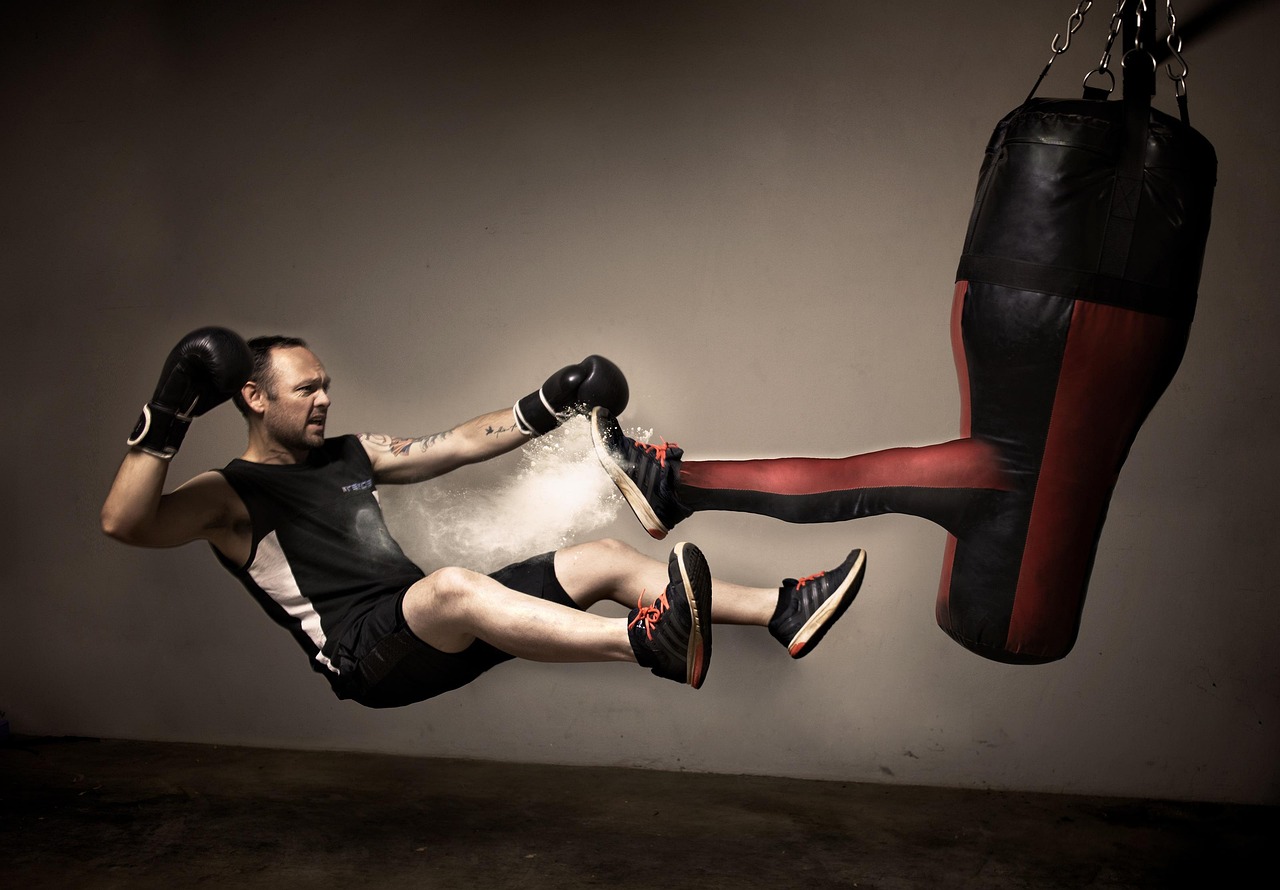
The roundhouse kick is a fundamental technique in kickboxing that combines speed, power, and precision. Mastering this kick can drastically improve your effectiveness in the ring. A proper roundhouse kick utilizes the hip rotation and core strength to deliver a stronger blow. To start, practice the basic stance: feet shoulder-width apart, with the weight equally distributed. Focus on your target, and keep your hands up for defense. Initiate the kick by pivoting your supporting foot, which allows for greater rotation. Your knee should lead the movement as you bring your leg up. As your leg swings out, aim to make contact with the shin or instep. This technique allows for a versatile striking option against opponents. Regular drills focusing on the footwork and follow-through will enhance the fluidity and accuracy of your kicks. To improve, consider using a heavy bag for resistance during practice. It helps to visualize an opponent and instills confidence. Aim for technique over speed initially; as you become comfortable, gradually increase your power and pace to make your roundhouse kicks more effective.
The importance of proper warm-ups cannot be stressed enough, especially when practicing kicks. A good warm-up prepares your muscles and joints for intense action, minimizing injury risk. Begin with dynamic stretches targeting your legs, hips, and core. Straight-leg kicks and side lunges prepare your body for the explosive motion of kicking. Skipping rope is also an effective way to warm up while improving timing and footwork. Once adequately warmed up, practice shadow kicking. Visualization is key here; imagine an opponent standing before you. This practice helps refine your movement without any equipment. Pay attention to your technique: focus on form and balance with every kick. Incorporate high knees and fast footwork into your drill to enhance agility. As you progress, add various combinations, including punches followed by roundhouse kicks. This will improve your striking in real-time situations. Remember to breathe steadily; this helps maintain energy. Consistent, focused warm-ups enhance your performance significantly. Make them a ritual before each training session to create a habit. The more prepared you are, the more confidence you’ll have in executing powerful roundhouse kicks during matches.
Drills for Technique Improvement
To truly perfect your roundhouse kick, various drills can help improve your technique. Start with the “target kick” drill, using a focus mitt held by a partner or coach. This drill ensures you aim for specific targets, honing your accuracy. Rotate your hips at the moment of the kick to maximize power as your foot connects with the target. Incorporate a slow-motion practice, gradually building your speed without losing form. Another effective drill is the “step-side roundhouse”, which allows you to practice while moving. Start in a fighting stance, step to the side, and execute the kick. This movement teaches how to generate power while maintaining balance. Safety gear, like shin guards, is mandatory to avoid injury during heavy practice. Another fun drill involves using a speed bag, allowing you to work on timing and rhythm. Hit the bag with your roundhouse repeatedly, focusing on smooth, controlled kicks. This not only strengthens your kicks but also promotes hand-eye coordination. Continuous review of your performance in the mirror or getting feedback from trainers will expedite your improvement in executing this vital kick.
Drill sequences combining kicks and other strikes can drastically improve your fluidity. Begin with a sequence of different kicks: jab, cross, followed by a roundhouse kick. Flowing between techniques builds the ability to switch seamlessly during a match. Practice the “three-kick combo”; start with a front kick, attempt a sidekick, and finish with the roundhouse. This combination keeps your opponent guessing, making it harder for them to predict your next move. Additionally, timing drills using a metronome enhance rhythm and pacing for your kicks. Make sure you remain in your fighting stance throughout, focusing on balance and stability. For the advanced, consider incorporating a jump into your kick to surprise your opponent. Execute a front kick first, then transition into a roundhouse kick. Ensure you land softly to maintain control. Regularly recording your practice sessions allows for self-assessment; reviewing your form will highlight areas needing adjustment. Encourage fellow kickboxers to partake in these drills together, fostering a collaborative atmosphere during practice. With time and dedication, these sequences will lead to faster, more powerful roundhouse kicks that can dominate in the ring.
Incorporating Sparring into Training
Sparring is indispensable to developing your roundhouse kick in a real-world setting. This practice allows you to test your skills against actual opponents. Always start with light sparring sessions, focusing on technique over power. As both fighters become comfortable, gradually increase intensity while remaining mindful of safety. During sparring, concentrate on integrating different kicks into your strategy. After delivering a roundhouse kick, be aware of follow-up options; punches or more kicks can maintain your offensive momentum. Utilize head movement and footwork to evade counterattacks while positioning for your next kick. Communication with your sparring partner is essential, providing constructive feedback to enhance skills. Encourage experimenting with different timing and angles for your roundhouse kicks. This experimentation promotes adaptability, preparing you for various opponents. Analyze every sparring session; note what worked and what didn’t regarding your kicks. It’s also wise to participate in controlled sparring scenarios, focusing only on kicks for a designated period. This focused approach allows for thorough exploration of techniques without distraction. Each session will contribute to refining your roundhouse, giving you a competitive edge in your kickboxing matches.
Strengthening exercises play a vital role in enhancing the power of your roundhouse kicks. Include lunges and squats in your training regimen to develop leg strength and stability. Incorporate resistance bands for explosiveness by performing kick drills with resistance attached to your leg. This added weight doubles as an effective conditioning tool. Engaging in core strengthening routines improves overall balance and control throughout your kicks. Planks, medicine ball throws, and Russian twists will tighten your core and improve your kick’s force. Plyometric exercises, like box jumps and jump squats, enhance your explosiveness off the ground, essential for effective kicking. Don’t overlook flexibility; adding regular stretching sessions will increase your kick height and fluidity. Consider yoga as a complement to your training, providing both strength and balance benefits. Lastly, allocate a portion of your training to cooldown routines featuring stretches focused on the hamstrings, quadriceps, and hip flexors. This ensures muscle recovery while maintaining flexibility. By integrating strength, core, and flexibility training, your roundhouse kicks will not only become more powerful but also significantly reduce the risk of injuries. Consistency among these exercises will undoubtedly lead to remarkable improvements.
Monitoring Progress and Setting Goals
Progress tracking is crucial when refining your roundhouse kicks. Begin by keeping a journal documenting your training sessions, highlighting accomplishments or areas for improvement. This record allows for identifying patterns in your training success. Set clear, measurable goals ensuring they are specific and realistic. For instance, aim to increase the number of roundhouse kicks executed within a set period or target particular accuracy rates. Regular assessments should also include recording video of your kicks, observing changes over time. This visual feedback will highlight both strengths and weaknesses in your technique. If possible, seek out coaches or experienced fighters who can provide professional advice and recommendations for your training. Participating in competitions offers invaluable experiences and benchmarking against peers. These will highlight areas needing development while pushing your capabilities. Celebrate and reward progress as you achieve milestones; they can propel you forward, maintaining motivation. Gradually increase the complexity of your goals as you master current ones, ensuring continuous development in your skills. With determination and dedication to tracking your journey, you’ll see significant advancements in your roundhouse kick’s effectiveness, form, and power.
In conclusion, perfecting your roundhouse kick involves careful practice through dedicated drills, size-ups, and sparring. Each component, from warm-ups to strength training, interlinks to enhance your overall technique. Remember to maintain a positive mindset throughout your training journey, reinforcing your determination to succeed. Engagement in structured lessons can accelerate your learning curve, focusing on specific techniques to polish your kick. Understanding biomechanics behind the roundhouse kick will add depth to your practice; appreciate how body mechanics influence your striking abilities. As a kickboxer, continually strive for evolution, adapting techniques relative to your growth. Develop a strong support network among your peers; collaboration in drills fosters deeper learning. Discussing tactics post-training can yield new perspectives and ideas for improvement. Prioritize safety by using appropriate gear during every practice session, as protection and preparation cannot be ignored. Consistency is paramount; maintain a regular schedule for both drills and recovery sessions. This balance will ultimately lead to achieving your kicking goals. Lastly, embrace every challenge as a learning opportunity, empowering you as a kickboxer. A well-rounded, disciplined approach will significantly boost your competency in executing powerful roundhouse kicks that dominate in the ring.