
Importance of Core Training Warm-Ups
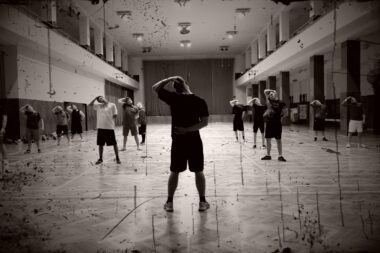
Warm-ups are an essential part of any workout routine, particularly before core exercises. Engaging in a proper warm-up enhances muscle activation and prevents injuries. The main goal is to prepare the muscles for the physical demands to come. Core-centric workouts involve various muscles that stabilize the spine, pelvis, and shoulders. A good warm-up will lead to improved flexibility, increased blood flow, and better overall performance. Key components of a core warm-up include dynamic stretching and activation exercises. Dynamic stretching prepares the muscles through movement rather than holding a stretch, which is crucial for core routines. Examples include torso twists, leg swings, and hip circles. These movements activate the central muscles, making them ready for workout intensity. Additionally, a well-structured warm-up improves your mind-body connection, encouraging focus and determination. This is particularly important for engaging the core effectively during workouts. Incorporating these warm-up routines ensures your core is primed and ready, ultimately leading to enhanced results. Remember that dedicating time to warm-ups is just as important as the workout itself. Stay consistent with your warm-up routine for optimal performance in your core training.
A variety of warm-up routines emphasize activation and flexibility throughout the body. Simple yet effective exercises can transform your core workout experience. Begin with standing abdominal twists, where you rotate your torso side to side. This leads to enhanced rotational core strength, crucial for many activities such as sports or daily tasks. Next, consider incorporating some plank variations, which promote core stability and endurance. Plank shoulder taps are a fantastic option, challenging your balance while demanding core engagement. As you transition into dynamic stretching, incorporate movements like side lunges, focusing on the stretch across the hips and lower back. This dynamic motion improves mobility, allowing for a deeper connection to the core. Consider also incorporating hip circles, which help open up the hip joints and improve flexibility. Finish your warm-up with gentle back extensions to activate the lower back muscles. This practice helps stabilize the entire core as you move deeper into your workout. Remember, variety in your warm-up will keep it interesting. Mixing different techniques engages your body in various ways, promoting overall strength and stability for efficient core exercises.
Dynamic Stretching Techniques
Dynamic stretching is crucial during core warm-ups because it prepares the body for intense movement. Unlike static stretching, which holds muscles in one position, dynamic movements encourage blood flow and range of motion. This promotes increased flexibility and mobility, essential when tackling core routines. Begin with torso twists, which effectively mobilize the spine and activate the core muscles. Stand with feet shoulder-width apart, twisting your upper body from side to side, engaging those core muscles in the process. Next, incorporate leg swings, a fantastic dynamic stretch for hip flexibility. While holding onto a sturdy surface, swing one leg forward and backward for enhanced mobility. Following this, add walking lunges, integrating deep stretches for the hip flexors while activating the core for support. As you progress, include butt kicks and high knees. These movements elevate your heart rate as they effectively engage the core muscles. Make these dynamic stretches part of your warm-up routine, boosting your performance and maximizing benefits. Consistency in dynamic stretching sets the tone for an efficient core workout session, ultimately leading to faster results.
Core activation exercises are a vital aspect of effective warm-ups, ensuring all muscles engage as intended. The goal is to wake up your muscles in preparation for the impending workout. Begin with dead bugs; lie on your back and alternate extending opposite arms and legs, activating the deep core. This encourages muscle memory to engage during your workout. Another great activation exercise is the bird-dog, where you extend your opposite arm and leg while balancing on your hands and knees. This enhances coordination while engaging your core. Incorporate glute bridges for added stability; lie on your back with knees bent and lift your hips, engaging both core and glutes effectively. Adding side-lying leg lifts can further develop the obliques, providing targeted engagement. Don’t forget to include activations for the transverse abdominis, the deeper core muscle. Techniques such as ‘drawing in’ can effectively engage this area. Prioritize muscle connections during your warm-up, allowing your mind-body connection to enhance performance in workouts. Building these foundational patterns is essential for core development over time, allowing your workouts to yield better results.
Using Equipment for Activation
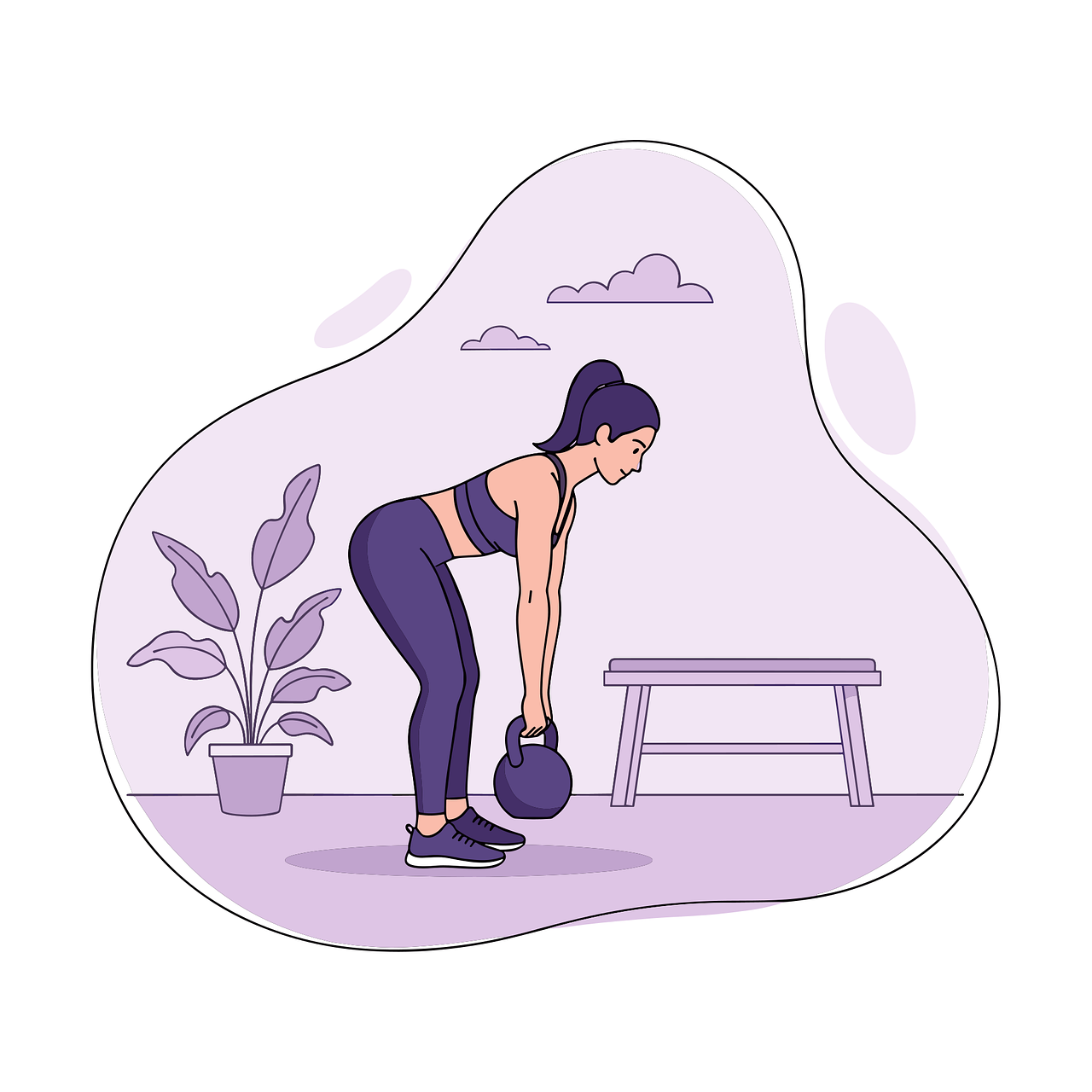
Incorporating equipment can elevate your warm-up routine, enhancing core activation. Tools like resistance bands and stability balls provide unique opportunities to engage your core effectively. Start with resistance bands; attach them to a sturdy object and perform exercises like banded twists. This action targets the rotational muscles of the core, preparing them for dynamic movements. You may also use bands for resisted hip flexor stretches, creating additional tension to activate the core stabilizers. For an added challenge, stability balls increase the complexity of standard movements. Consider resting your feet on a ball during toe taps—this engages the lower abs and fosters balance. Perform crunches on a stability ball for a dynamic stretch that targets the upper and lower abdominal muscles simultaneously. As well, the ball can be utilized for wall squats, demanding core stabilization throughout the exercise. Incorporating equipment into the warm-up not only engages the core but also facilitates improved coordination and balance. Make use of these tools regularly, adapting your warm-up to keep it fresh and targeted, enhancing your workout efficiency.
Don’t underestimate the importance of your mental state during warm-ups. Staying focused aids in preparing your body for the rigorous demands of core workouts. Adequate mental preparation allows for effective engagement throughout your session. Visualization is a powerful technique; picture yourself performing each movement successfully and executing them with precision. Visualizing your core muscles activating primes your mind for performance. During warm-ups, ensure you allocate time for proper breathing techniques; this calms the mind and enhances focus. Concentrate on deep, diaphragmatic breaths, which provide engagement and oxygenation, improving overall workouts. Establishing a routine leads to better muscle memory and prepares your body for forthcoming challenges. Find ways to incorporate mindfulness; consider yoga or meditation sequences before workouts. This approach helps reduce anxiety, allowing you to approach exercises with a clear and open mindset. Engaging in a mental practice will contribute to achieving your fitness goals. Remember that preparation extends beyond physical drills; your mental approach is equally critical. Cultivating a positive mindset during warm-up time lays the foundation for all future workouts.
Cool Down After Core Workouts
Cooling down after core workouts is equally important as warming up. Post-workout routines help your body transition back to a state of rest and recovery. Prioritize static stretches targeting all major muscles worked, promoting flexibility and reducing soreness. Stretches such as seated toe reaches focus on hamstrings, contributing to an overall sense of balance and relaxation. Include a few standing quad stretches, bringing awareness to the entire lower body after engaging the core. Additionally, don’t forget effective stretches for the back, as core workouts produce tension in these areas. Advancing into positional stretches for the hip flexors promotes better overall recovery. Hold each stretch for at least 15 to 30 seconds to allow muscle fibers to elongate properly. Post-cool-down foam rolling complements your routine beautifully, assisting in loosening tight muscles. This reduces the risk of injury and promotes recovery efficiently. Make cooling down a non-negotiable part of your sessions, developing your longevity in fitness. Lastly, hydration is important; rehydrate properly to repair muscle and support recovery. Emphasize the importance of this balance for successful core workout routines.