
Ergonomic Benefits of Real-Time Posture Feedback Devices
Maintaining proper posture is essential for overall health and well-being. In today’s sedentary work environments, posture monitoring devices have become increasingly popular. These devices provide real-time feedback, helping individuals correct their posture throughout the day. Unlike traditional ergonomic strategies, such as reminders or training sessions, these devices actively monitor posture, ensuring that individuals remain aware of their alignment. Common features of these devices include vibrating alerts or mobile app notifications that prompt users to adjust their stance. Additionally, many of these technologies incorporate sensors that track movement and pressure distribution, providing valuable insights into daily habits. When the feedback is immediate, users can develop better posture habits over time. This is particularly useful for office workers who may spend long hours in front of screens. Moreover, the integration of posture feedback into daily routines can significantly reduce the risk of repetitive strain injuries. By utilizing these advanced devices, individuals are empowered to take control of their posture, leading to enhanced productivity and reduced discomfort. With attractive designs and advanced features, these devices cater to the modern workforce’s needs, promoting healthier work environments.
The ergonomic benefits of real-time posture feedback devices extend beyond immediate corrections. These devices help improve muscular balance and reduce chronic pain from prolonged sitting or standing. As users receive alerts to adjust their posture, they might also become more conscious of how they sit or stand in various situations. Over time, consistent use leads to stronger posture-supporting muscles through conscious reinforcement of good habits. Strengthening core muscles is particularly crucial for maintaining an upright posture and resisting slouching tendencies. Additionally, these devices can assist in providing analytics that track progress over weeks or months, encouraging users to stay committed to improving their posture. By analyzing trends, users can identify patterns that contribute to poor habits. Some products even include gamification elements, making posture correction enjoyable and rewarding. Research highlights that when individuals engage with feedback actively, their motivation for improvement boosts significantly. Therefore, the incorporation of these devices serves as a proactive approach to health rather than a reactive strategy. This shift at workplaces allows companies to prioritize employee well-being, resulting in reduced absenteeism, increased job satisfaction, and a more productive atmosphere.
Features of Posture Monitoring Devices
Posture monitoring devices come equipped with numerous features designed to enhance effectiveness. Most devices utilize sensors that can detect deviations from an ideal posture. These sensors are often Bayesian, meaning they learn users’ habits over time, thus improving accuracy. Feedback methods vary between models, with options like audio alerts, gentle vibrations, or visual cues displayed on paired smartphones. A quality device allows for customization, enabling users to set sensitivity levels and notification frequencies that align with their lifestyle. Some advanced models even provide personalized exercises aimed at reinforcing good posture and alleviating muscle tension. Remote access to data through dedicated applications allows users and health professionals to analyze progress significantly. Furthermore, many devices have sleek designs, making them unobtrusive yet stylish accessories. The integration of Bluetooth technology enables seamless connectivity with smartphones, making it easy to track progress over time. Users can share their data with friends or health coaches, creating a support network that can motivate consistent adherence. These technological advancements position posture monitoring devices as accessible tools, fitting naturally into users’ daily lives while effectively promoting awareness for better health.
In addition to ergonomic benefits, posture monitoring devices significantly impact psychological well-being. Individuals often experience increased self-confidence when they adopt better posture, positively influencing their mood and overall outlook. It’s important to note that posture is associated with emotional states; slumped positions can lead to feelings of fatigue or sadness. Conversely, standing tall with proper posture can foster assertiveness and motivation. By providing real-time feedback, these devices encourage users to carry themselves with more confidence, contributing to better interpersonal communication. The psychological changes that come from improving one’s posture can also reflect in personal and professional interactions, making individuals feel empowered. Moreover, the positive reinforcement of better posture can enhance focus and cognitive function. Research shows a direct link between posture and mental performance, indicating that those who maintain an upright posture are more alert and effective in tasks. Empowering users to embrace better posture enthusiastically transforms their overall health journey. Consequently, improving posture through these devices not only promotes physical health but also nurtures a positive mindset, making it a holistic wellness approach.
Workplace Implementation of Posture Devices
Implementing posture monitoring devices in workplaces can revolutionize health and productivity. Companies willing to invest in these technologies can see significant returns in employee satisfaction and performance. With extended periods of sedentary behavior often linked to health issues, these devices act as proactive interventions. Integrating posture monitoring into workplace wellness programs fosters a culture of health awareness that encourages participation. Companies may hold workshops demonstrating how to use these devices effectively, ensuring all employees understand their benefits. Offering incentives for employees who actively monitor their posture can also create a motivating atmosphere. This friendly competition promotes adherence and camaraderie among coworkers striving for better habits. Customized training sessions can tailor fit each workplace’s specific needs, addressing ergonomic challenges faced daily. Employers may also consult ergonomic specialists to maximize benefits. Moreover, by equipping workspaces with ergonomic furniture, such as adjustable desks, employees gain better tools to complement their devices. A well-rounded approach to workplace ergonomics produces notable outcomes—fewer health-related absences, enhanced morale, and ultimately higher productivity levels. The commitment to improving employee well-being through these initiatives cultivates a supportive environment focused on health.
The adaptability of posture monitoring devices lends them suitable for various professions. For remote workers, these devices provide invaluable support due to the unique ergonomic challenges they face in home offices. Many individuals working from home may lack proper resources to create an ergonomic workspace, resulting in poor posture habits. Posture monitoring devices can fill this gap by providing necessary guidance and reminders. With easy mobility, users can transition between workstations or environments while receiving consistent feedback. The versatility of these devices allows them to accommodate different work habits and preferences, promoting healthier postural dynamics across various settings. Additionally, educational materials provided with these devices enhance understanding of posture’s importance. Users can explore the impacts of various postures on overall health, learning how to adjust their habits accordingly. Accessibility plays a critical role as well; incorporating affordable devices ensures a wider demographic can benefit. By making healthy postural habits attainable, these devices pave the way for a more health-conscious society. This paradigm shift can ultimately lead to a future where individuals prioritize their health in daily activities, reinforcing the significance of proactive wellness strategies.
The Future of Posture Monitoring Technology
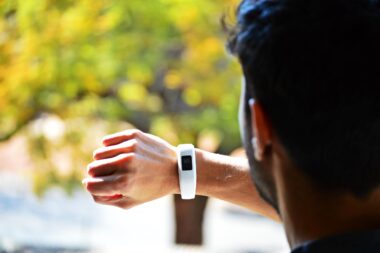
The future of posture monitoring technology looks promising as innovations continue to emerge. Developers are increasingly focusing on refining sensor technology, enhancing accuracy and user experience. Advanced machine learning algorithms are being embedded into devices, allowing for more personalized feedback tailored to individual users. Virtual reality and augmented reality integrations may soon be on the horizon, providing immersive experiences that teach optimal postural practices effectively. As technology advances, the devices will become even more compact and aesthetically pleasing, increasing their appeal. Integration with wearable technology like smartwatches and fitness trackers could further encourage consistent use by consolidating health data. Beyond physical posture, future devices may also monitor emotional states, providing holistic insights into users’ well-being. Ultimately, as societal awareness regarding health and ergonomics grows, we can expect a wider acceptance of these devices in everyday life. The ongoing research in this field will yield new insights and improved features that make posture management even more accessible. As individuals and workplaces embrace real-time feedback, they will likely witness profound changes in overall health, productivity, and workplace satisfaction. The journey toward adopting better posture is undoubtedly growing more exciting.
In conclusion, the ergonomic benefits of real-time posture feedback devices cannot be understated. By combining technology with education and awareness, we can significantly enhance individual health and wellness. These devices empower users to take control of their posture through continuous feedback, ultimately leading to the prevention of musculoskeletal disorders. The potential psychological impacts should not be overlooked, as improving posture can also boost confidence and overall mental well-being. As workplaces integrate these monitoring devices, the shift towards a healthier work culture becomes more evident. Employees who maintain better posture are likely to experience a decrease in discomfort and fatigue, leading to increased productivity. Moreover, the adaptability of these devices makes them valuable across various professions. From remote work to more traditional office settings, posture monitoring technology serves as an essential tool. The exciting advancements on the horizon mean that the future of ergonomics is brighter than ever. Emphasizing real-time feedback reinforces the importance of maintaining a healthy posture daily. As these devices become commonplace, we can look forward to a significant reduction in posture-related issues in the years to come.