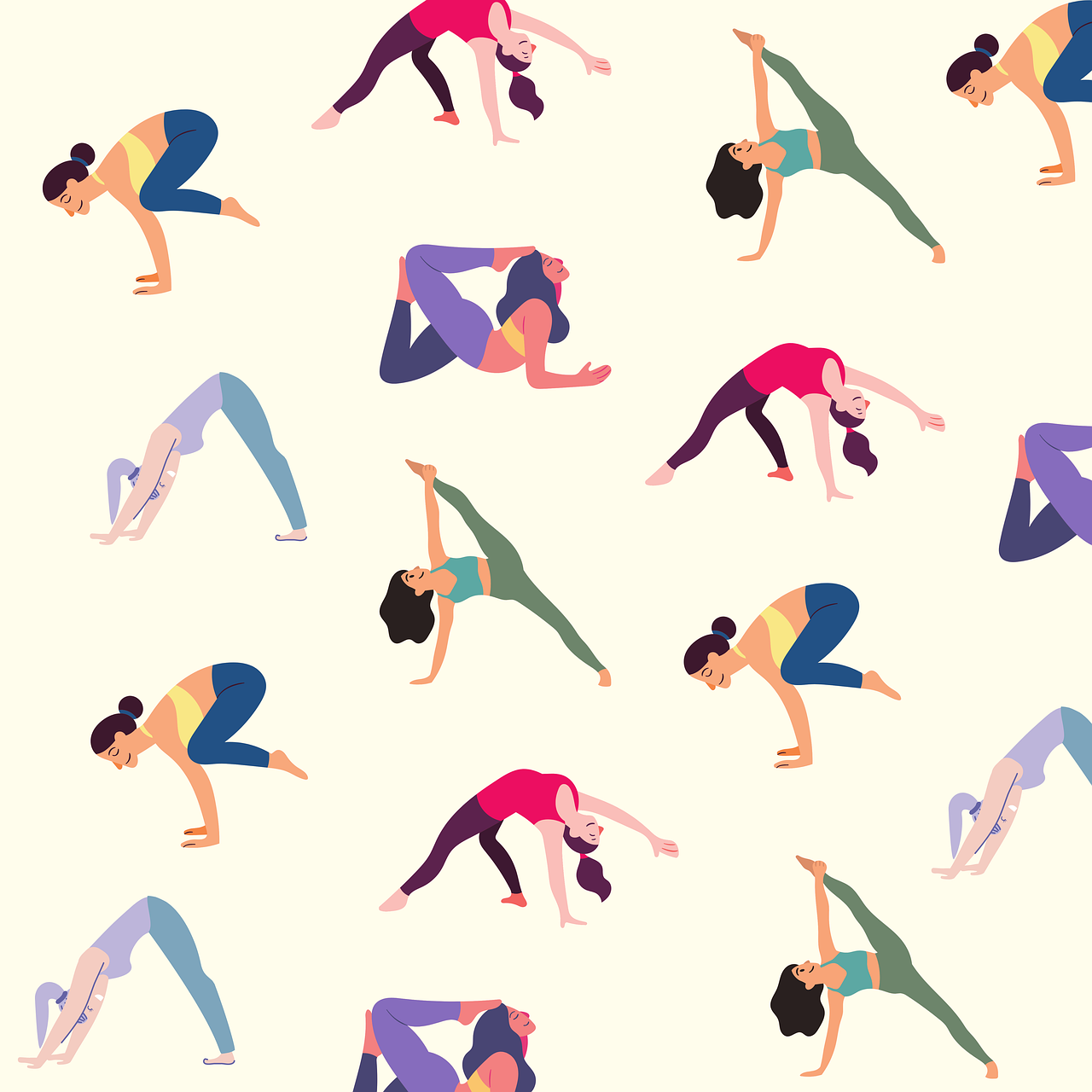

Combining Static and Dynamic Balance Exercises for Optimal Results
Static balance training is crucial for enhancing overall stability, which is particularly vital in various physical activities and sports. By developing this form of balance, individuals can improve their ability to react effectively to sudden changes in their environment. Activities requiring static balance often engage the core muscles, legs, and stabilizers, promoting better posture and lower injury risks. The nature of static exercises involves maintaining a position for a certain duration, which can significantly boost neuromuscular coordination. Practicing these exercises not only lays a solid foundation for dynamic movement but also enhances functional fitness. Those who integrate balance training into their routine are more likely to exhibit improvements in coordination and overall athletic performance. Examples of effective static balance routines include single-leg stands or using balance-enhancing equipment. Engaging in static balance training should be complemented with dynamic exercises to achieve optimal results. This comprehensive approach fosters a well-rounded skill set and ensures that strength and stability are developed across various movements and conditions. Whether utilizing a balance board or simply standing on one leg, practitioners can find numerous ways to enhance their stability physically.
Incorporating both static and dynamic balance exercises can be advantageous for athletes. Static exercises help establish a strong base, while dynamic ones improve the body’s adaptability and responsiveness to movement. For instance, engaging in activities such as yoga or Pilates that focus on static poses can significantly enhance one’s posture and core strength. Furthermore, these practices increase mindfulness and body awareness, vital attributes necessary for athletes in honing their skills. Transitioning to dynamic exercises adds an exciting layer of challenge by requiring fluidity and coordination. This can involve activities like agility drills or balance beam walking, which mimic sport-specific movements that athletes must perform. The combination effectively addresses the needs of various athletes by preparing both their bodies and minds for the challenges they face. By performing exercises that require rapid weight shifts while maintaining balance, athletes can prepare for unexpected situations in their sports. The synergy of both styles cultivates a more resilient athlete capable of dynamically responding to their environment. It is essential for trainers and coaches to recognize the benefits of this well-rounded approach to ensure optimum performance.
Methods of Training
Various methods exist for incorporating static and dynamic balance training into a regimen. One effective approach is to alternate workouts between static exercises and dynamic movements. This can be structured by dedicating certain days of the week to static balance while reserving others for dynamic balance training. For example, begin the week with postures like tree pose or warrior pose from yoga to enhance core engagement and stability. This can be followed by dynamic activities such as lateral shuffles or balance lunges later in the week. Additionally, varying the intensity and duration of each session can further stimulate balance development. Activities may progress from simple to challenging, gradually introducing instability with tools such as balance discs or Bosu balls. This method can help ensure that individuals are adequately prepared to meet their goals. Furthermore, repeating specific sequences enhances muscle memory, ingraining balance skills. Implementing interval training within balance workouts can also create a multifaceted approach, allowing for improved cardiovascular health alongside balance skills. Consistent evaluation of one’s progress is essential for maximizing the effectiveness of these training methods.
Besides traditional exercises, functional training methodologies enhance balance in everyday movements. Movements such as squatting, lunging, and stepping require balancing capabilities and can be integrated into daily workouts. This training encourages functional strength and enhances overall balance while performing daily activities. Additionally, incorporating multi-directional movements within a workout can help improve dynamic balance significantly. This may involve incorporating exercises like lateral step-ups, agility ladders, and dynamic stretches. These elements contribute to simulating real-life scenarios where balance is continuously challenged. On days focusing on static balance, individuals can engage in controlled breathing techniques, promoting focus and mental clarity while executing postures. Not only is strength built, but the connection between mind and body is also cultivated through the practice of conscious movement. As a fitness strategy, integrating these styles into a balanced regimen encourages a deeper sense of personal empowerment and body awareness necessary for athletic pursuit. Ultimately, this comprehensive approach deepens training outcomes swiftly as individuals feel more attuned to their balance capabilities and physical performance as a whole.
Benefits of Enhanced Balance Training
The advantages of enhanced balance training are vast and include improved core stability and injury prevention. Developing core strength supports overall balance and stability, which plays a significant role in various athletic pursuits. Improved balance not only helps athletes perform better but also contributes to reduced risks of falls and injuries, enhancing longevity in sports participation. As a result, participants can engage in their sports more confidently. Additionally, balance training fosters better postural alignment, which is essential for reducing daily aches and discomfort. Athletes with strong balance capabilities often exhibit greater agility and coordination. Furthermore, studies emphasize that individuals who engage regularly in structured balance workouts can see noteworthy improvements in their reaction times and stability. This can translate directly into better athletic performance during competitions. Moreover, those practicing balance exercises may experience enhanced focus and mental clarity, essential attributes for both athletes and those engaged in daily activities. This mental discipline correlates with improved physical performance, creating a holistic approach to fitness. A commitment to enhancing balance can yield profound benefits on multiple levels for athletes and general fitness enthusiasts alike.
As individuals advance through their training routines, customization becomes essential for maximizing results. Everyone’s balance capabilities and goals differ, and tailoring a program is indispensable for achieving optimal outcomes. Personal trainers and coaches should consider assessing an athlete’s current skills before designing programs. Such evaluations can help identify areas of weaknesses and strengths that require attention. Once a baseline is established, progress can be monitored through regular check-ins and fitness assessments. Providing feedback and adjustment recommendations contribute positively to an athlete’s experience and development. Moreover, using apps or technology to track performance can encourage continued engagement, paving the way for improvement. Consequently, athletes may feel motivated to push their limits continually. The inclusion of varied and enjoyable exercises discourages monotony and ensures participants remain engaged, eager to progress. Creating a supportive community within a training setting fosters open dialogue and shared experiences among participants, enhancing motivation and commitment levels. By nurturing an environment conducive to personal growth, challenges overcome collectively can lead to shared success and triumph. Participants who understand the value of balance training will better appreciate their progress, ultimately empowering achievement beyond fitness metrics.
Conclusion
In conclusion, combining static and dynamic balance exercises cultivates a well-rounded approach that provides exceptional training benefits. Practicing static balance establishes a sturdy foundation, while dynamic exercises enhance adaptability in relation to quick movements required in athleticism. Trainers, coaches, and individuals should prioritize integrating both types for optimum outcomes. The elements of functionality in balance training positively impact everyday life while developing overall athletic capabilities. By engaging in a diverse array of movement patterns, training sessions remain exciting and effective. Individuals keen on improving their athletic performance or fitness levels can benefit tremendously from this dual approach. As athletes implement consistent and strategic balance exercises, notable gains in coordination, stability, and strength can be observed. This comprehensive training plan equips individuals to react swiftly to both expected and unpredictable challenges as required in sports and daily activities. Encouraging a balance of both practice styles can lead to long-lasting results, transforming how fitness is approached and pursued. Participants experiencing enhanced balance awareness will be more equipped to embrace their potential fully. Thus, solidifying the importance of varied balance training is vital for continued success and improvement.
In summary, it is essential to acknowledge the importance of both static and dynamic balance training within any fitness program. This multifaceted approach not only enhances individual performance and leads to better physical outcomes but also plays a significant role in overall well-being. As balance becomes an increasingly important fitness focus, its integration within training routines is vital for progressing towards desired fitness goals. Athletes and fitness enthusiasts alike benefit by actively engaging in balance work. Thus, creating opportunities for improvement in reaction times, coordination, and functional strength ensures a comprehensive preparation for physical pursuits. The environmental and psychological impacts of incorporating balance training should not be overlooked. When practitioners are actively aware of body mechanisms and stability, they become empowered to perform better in sports. Acknowledging personal progress and celebrating achievements at various levels motivates participants to sustain their efforts as they witness tangible changes in skills. Overall, individuals should embrace the challenge of balance training to reap the rewards in their personal fitness journeys. This growing emphasis on balance can redefine the experience for many, leading to improved success in all avenues of fitness and greater confidence in physical capability.