
Cross-Training for Optimal Performance
Cross-training is essential for dragon boat paddlers seeking to boost their performance. By incorporating various activities, athletes can develop strength, endurance, and flexibility that directly translate into better rowing techniques. Each training session serves as a building block for enhanced skills in the water. Resistance training, whether performed in the gym or at home, is particularly beneficial. Exercises, such as squats and lunges, target the glutes, quads, and hamstrings. Additionally, incorporating core workouts, like planks and Russian twists, promotes trunk stability, which is crucial for maintaining form during racing. Stretching and mobility work also prevent injuries from repetitive motions, allowing for smoother strokes. Another aspect is the cardiovascular training component, including running, cycling, or swimming. These exercises improve heart health and stamina, making it easier to sustain energy output during races. The combination of these elements not only develops a well-rounded athlete but also ensures that dragon boaters can face competitive challenges head-on, with increased performance and reduced fatigue. Integrating cross-training effectively results in unique advantages on the water, yielding potential victory and pride for individuals and teams alike.
Moreover, integrating flexibility exercises into your regimen is crucial for dragon boating. Flexibility supports overall performance, allowing for greater range of motion during strokes. By participating in regular stretching or yoga, paddlers can enhance their physical capabilities and reduce injury risks. Focus on dynamic stretching as part of warm-ups, which can ease muscles into action effectively. Post-workout, static stretching is ideal to improve overall flexibility. A well-rounded flexibility routine includes targeting crucial areas like the shoulders, hips, and back. For instance, stretches such as the butterfly stretch, shoulder opener, and torso twists should be incorporated. Engaging in yoga not only focuses on stretching but also enhances mental clarity and focus. The breathing techniques taught in yoga contribute positively to paddling performance. Consider classes that incorporate vinyasa flow, which combines movement with breathing. Practicing these techniques builds core strength, balance, and stamina. This combination of physical and mental training results in a more enduring athlete. Additionally, dragon boat athletes benefit from improved camaraderie with teammates through shared stretching and yoga sessions, thus enhancing team spirit and communication while promoting a comprehensive approach to training.
Strength and Conditioning
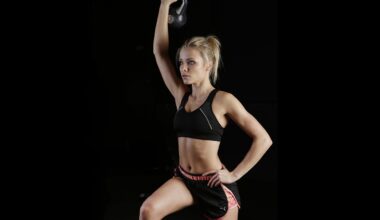
Strength and conditioning are vital elements that significantly improve dragon boater performance in water sports. Engaging in sport-specific strength training helps build the necessary muscle groups required for effective paddling strokes. For instance, targeting major muscle groups through exercises like deadlifts, bench presses, and bent-over rows strengthens the upper body, ensuring powerful paddling. Incorporating kettlebell workouts can enhance grip strength, stability, and core conditioning simultaneously. Functional training should also form a significant part of your routine, mimicking the movements involved in paddling where balance, strength, and coordination are paramount. Plyometric exercises such as box jumps improve explosive power, allowing athletes to generate acceleration during competitive races. Circuit training that combines strength and endurance challenges can also enhance overall performance, allowing for maximum efficiency on the water. This type of training aids in building cardiovascular endurance while developing muscular strength. Additionally, focusing on core stability is crucial as it directly affects the effectiveness of paddling. Strong abdominal muscles contribute to better posture, reducing the risk of back injuries. In turn, this combination of strength, conditioning, and endurance creates a formidable dragon boat athlete capable of excelling in demanding racing conditions.
Another aspect to incorporate into training is agility drills that can significantly enhance dragon boating performance. Agility exercises improve coordination and quick footwork which translates well into balance during paddling. Utilizing equipment such as ladders or cones for agility drills allows athletes to develop speed and quickness, which are crucial in competitive settings. Lateral movements and direction changes encourage responsiveness and enhance overall body mechanics. For instance, implementing drills like lateral hops, shuffles, and obstacle courses can help develop these skills. Furthermore, agility training contributes to overall muscle memory, allowing quicker reaction times during races. When dragon boaters become more agile, they can adjust their paddling techniques swiftly, resulting in smoother navigation through water. Additionally, agility improves an athlete’s balance on the boat. This support minimizes excessive movement that may hinder others on the team. Training for agility also fosters camaraderie among team members, as they work together on drills and reflect on their improvements. Overall, a comprehensive training regimen that includes agility work prepares paddlers physically, mentally, and socially for the rigors of dragon boating.
Endurance Training Techniques
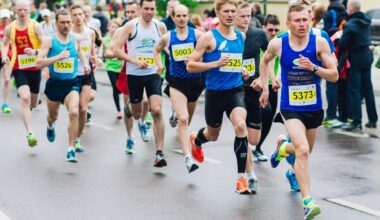
Endurance training is indispensable for achieving peak dragon boating performance. Engaging in longer-distance paddling practices helps to boost stamina, preparing athletes for the physical demands of competitive races. Regularly scheduling endurance-focused sessions fosters better cardiovascular health. The key is to gradually increase the length and intensity of these workouts over time, allowing for a progressive improvement in performance. Additionally, cross-training techniques such as long-distance running or cycling can build aerobic fitness effectively. These alternative methods provide variety while maintaining cardiovascular fitness, ensuring paddlers are well-conditioned. Structured interval training is particularly advantageous, involving bursts of intense effort followed by recovery periods. This method enhances both aerobic and anaerobic endurance, crucial for the varied demands of racing. Marathon paddling practices also develop mental fortitude, teaching athletes to endure physical and emotional challenges during competitions. Alongside this, proper hydration and nutrition are vital for sustaining energy levels and performance. Consuming a balanced diet to fuel workouts is essential. Ultimately, incorporating comprehensive endurance training strategies ensures that athletes arrive at race day with optimal energy levels and physical readiness, which enhances their performance on the water.
Moreover, focusing on mental training is equally vital as physical preparation for dragon boaters. Successfully managing stress and anxiety through mental strategies can significantly influence performance levels. Techniques such as visualization help athletes create a mental image of successful performance during races. This not only builds confidence but also reinforces a positive mindset. Engaging in mindfulness practices, such as meditation or breathing exercises, can reduce anxiety while enhancing focus. These practices equip paddlers to maintain composure amid the pressures of competition, fostering better decision-making. Introducing self-talk strategies encourages perseverance and motivation, especially during rigorous training sessions. Athletes should create positive affirmations to keep morale high, especially on tough days. Another aspect of mental training is setting realistic goals, which provide a clear focus throughout the training journey. These goals must be measurable and broken down into achievable targets. Additionally, regular evaluations of progress allow athletes to remain motivated and identify areas needing improvement. Making mental training a dedicated part of their regimen can yield valuable performance benefits, thus promoting sustained success and enjoyment in dragon boating practice and competition.
Nutritional Strategies for Dragon Boaters
Nutrition plays a pivotal role in enhancing dragon boating performance, warranting careful attention and planning. A well-balanced diet fuels the body for intense training sessions and competitive events. Focusing on macronutrients, including carbohydrates, proteins, and fats, is essential to sustain energy levels. Carbohydrates serve as the primary energy source, making them crucial before and after workouts. Foods like whole grains, fruits, and vegetables should be prioritized. Protein intake is equally important for muscle recovery, particularly post-training. Incorporating lean proteins such as chicken, fish, and plant-based options ensures quick recovery and reduced fatigue. Healthy fats, such as those found in avocados, nuts, and olive oil, contribute valuable energy over extended activities. Hydration must not be neglected, as it significantly impacts performance and recovery. Athletes should maintain fluid levels by drinking water throughout the day, especially during training sessions. Electrolyte replenishment is vital during long-duration paddling. Additionally, meal timing is crucial; combining small meals and snacks before and after training helps optimize performance. Implementing these nutritional strategies can lead to improved energy, recovery, and overall enhancements in dragon boating skills.
In conclusion, the incorporation of varied cross-training methods is beneficial for enhancing dragon boating performance. From strength workouts to flexibility and agility drills, each aspect contributes to developing comprehensive athletic skills. A well-rounded approach not only prepares paddlers physically but also mentally and socially, promoting teamwork and camaraderie. By prioritizing endurance training and emphasizing the importance of nutrition, athletes bolster their readiness for race day. Mental training techniques further elevate the performance level, enabling paddlers to manage stress and anxiety effectively. Reflecting on individual and team goals leads to a more targeted training approach and enhances motivation. Furthermore, continuous assessment and adjustment of training regimens allow athletes to meet evolving challenges in the sport. Therefore, as dragon boating continues to grow, the commitment to developing diverse training techniques becomes imperative. Embracing this holistic approach not only leads to personal empowerment but also fosters strong team dynamics. Ultimately, the training will culminate in improved performance outcomes, higher competition success rates, and a deeper connection to the sport. As athletes embrace these cross-training strategies, they pave the way for future victories and personal achievements.