
How to Use Krav Maga to Defend Against Street Attacks
Krav Maga is a powerful self-defense system designed for real-world situations, focusing on practical techniques and stress management. It emphasizes the need to defend oneself effectively during unexpected incidents. Understanding the fundamentals can effectively equip you against potential street attacks. Instructors emphasize using both instinctive movements and techniques that adapt to various situations. One key principle of Krav Maga is to neutralize threats quickly to avoid escalation and injury. The techniques are straightforward, ensuring that even inexperienced individuals can learn to defend themselves within a short amount of time. Individuals are trained to react swiftly to an assailant’s aggression, utilizing movements that target vulnerable areas. Such strategies may involve basic strikes, defenses from grabs, and disarming techniques. Practitioners also learn to maintain awareness of their surroundings, which is crucial for avoiding dangerous situations altogether, along with utilizing their immediate environment. Focused training can enhance your confidence and ability to fight back against aggressors while minimizing harm. Associating physical responses with mental readiness ensures better preparedness in real-life situations when faced with threats.
Understanding Street Attack Scenarios
Street attacks can happen without warning and might involve various assailants and circumstances. Recognizing potential situations is vital for effective self-defense, as awareness greatly enhances your chances of evading or confronting danger. The foundation of Krav Maga begins with analysis and understanding of potential scenarios you might face. Training involves simulations of different attack styles, including direct assaults and surprise attacks. Additionally, practitioners learn to identify suspicious behaviors in others, providing an edge in preventing conflict before it arises. A fundamental component of training involves situational awareness, helping individuals remain alert to their surroundings and potential threats. Becoming adept at reading body language and recognizing possible dangers allows you to prepare and respond more effectively. This training fosters a mindset that prioritizes safety, teaching you to avoid confrontation when possible. Additionally, it educates you on how to position yourself strategically during an encounter. Ultimately, preparedness and practice in these scenarios allow you to react instinctively with the skills learned, improving your protection against aggressors while ensuring a strong defense mechanism.
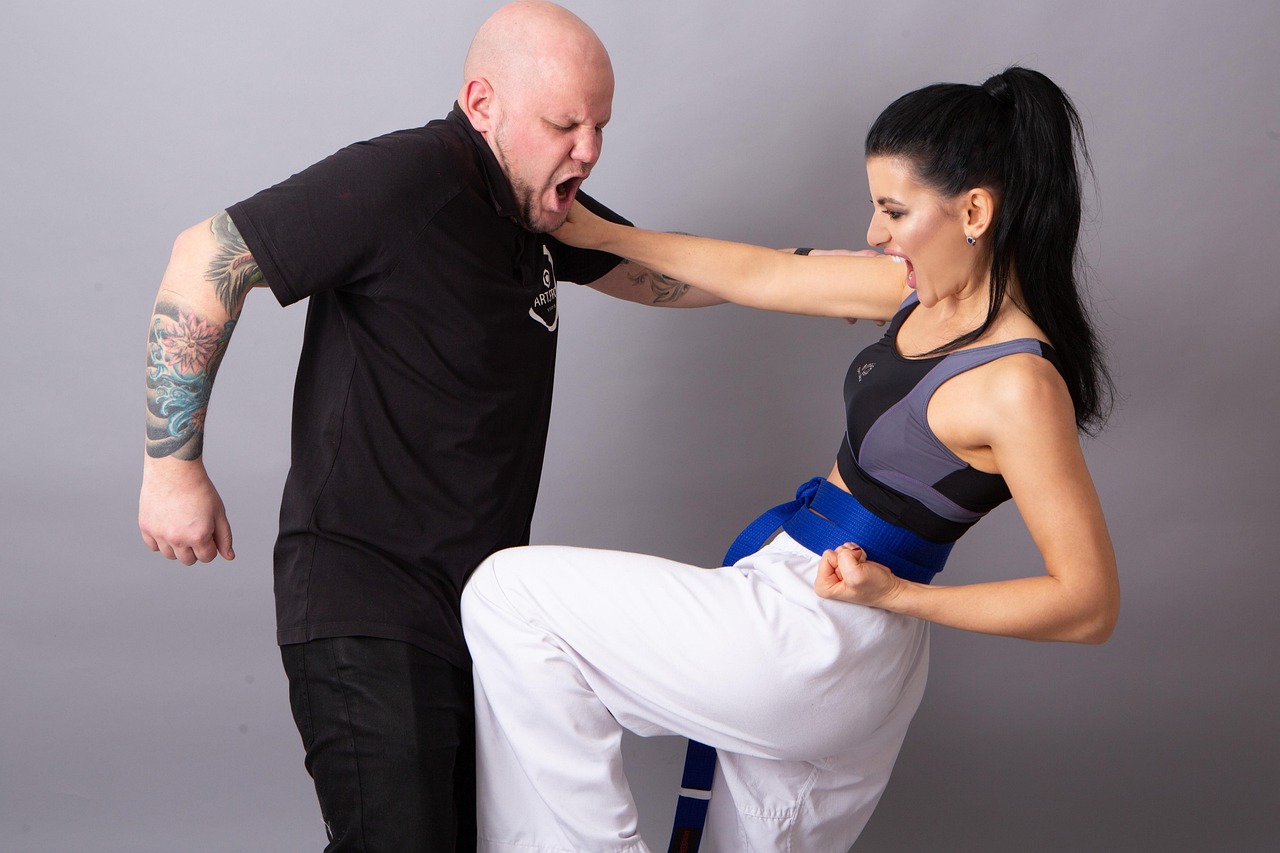
When preparing for a street attack, Krav Maga training emphasizes several basic techniques that empower individuals to defend themselves against various threats. Strikes to vulnerable areas are prioritized, such as the eyes, throat, and groin, as these areas can incapacitate an attacker and create an opportunity for escape. Most self-defense situations benefit from a comprehensive understanding of punches, kicks, elbow strikes, and knee techniques. These striking fundamentals can be practiced repeatedly to build muscle memory. Additionally, learning how to defend against grabs and holds is crucial. Practitioners become adept at escaping wrist grabs, chokes, and bear hugs, turning the tables on their assailants. Techniques like breaking free and quickly transitioning to counter attacks play a pivotal role in Krav Maga’s overall effectiveness. Moreover, training emphasizes using available tools in your environment, such as keys or bags, to inflict strikes or distractions. Being resourceful during a confrontation expands your options effectively while maintaining focus. Overall, learning these essential skills prepares individuals to protect themselves and manage stressful encounters more efficiently.
Utilizing Your Environment
Environment plays a significant role in self-defense scenarios, especially when it comes to tactics within Krav Maga. Applying knowledge regarding your surroundings can provide valuable opportunities to escape or evade an assailant effectively. Knowing how to use your surroundings to your advantage allows for greater success in self-defense situations. For instance, you can utilize walls, doors, and obstacles to shield yourself from potential harm. Training includes tactical positioning, ensuring you remain aware of what options exist around you. Moreover, the ability to maneuver within your environment provides the opportunity to control the dynamics of confrontation. Utilizing objects to create distractions can gain you precious seconds for escapes. Practicing scenarios that incorporate various environments, such as public spaces or confined areas, enhances your adaptability to different circumstances. Additionally, Krav Maga emphasizes confidence in navigating your surroundings swiftly and effectively, minimizing any hesitation in critical moments. Ultimately, the combination of learned techniques and environmental awareness offers a powerful edge when defending against street attacks.
Physical conditioning is an essential aspect of mastering Krav Maga techniques, directly impacting your ability to defend yourself during a street attack. Building strength, flexibility, and endurance prepares your body for the dynamic movements and unique challenges posed in confrontational situations. Regular training equips practitioners with the stamina and energy to manage their adversaries effectively. Focusing on core strength, cardiovascular health, and muscle conditioning supports the demands placed on your body during a fight. Important conditioning exercises include strength training, running, and specific drills tailored to techniques learned in practice. As you develop your physical capabilities, confidence simultaneously increases, equipping your mind and body to handle self-defense encounters. Additionally, joint mobility and flexibility can aid in performing evasive maneuvers more efficiently. Cardio training builds endurance and allows practitioners to maintain their composure and strength during a struggle. Regular practice also enhances overall resilience, ensuring you’re always ready to face unforeseen challenges. Ultimately, overall physical fitness directly contributes to your ability to execute Krav Maga techniques successfully, providing added protection against street attacks.
Mental Preparedness and Self-Defense
A critical component of Krav Maga lies in mental preparedness, going beyond mere physical techniques to underscore the importance of psychology in self-defense. Understanding that self-defense is as much mental as it is physical is essential. Before facing an attack, cultivating a mindset focused on proactive thinking can significantly impact your readiness to confront aggressively and successfully. Krav Maga training involves scenarios that simulate real-life situations, enhancing your ability to respond effectively under pressure. It fosters coping mechanisms for fear and stress, allowing you to remain calm during potentially dangerous encounters. Developing confidence through practice enhances your decision-making ability, often leading to more effective responses. Furthermore, practitioners learn the significance of de-escalation whenever possible, emphasizing avoidance as a crucial strategy. Understanding your abilities and limitations empowers you to recognize when to escape rather than confront. Training also incorporates visualization techniques, allowing you to mentally prepare for various situations, enhancing overall preparedness. Consequently, a mental focus on self-defense complements physical training in Krav Maga, providing a well-rounded approach to defending against street attacks.
In conclusion, effectively using Krav Maga to defend against street attacks involves mastering a blend of techniques, situational awareness, and mental readiness. By understanding the core principles, practitioners become more capable of managing real-world confrontations, minimizing danger effectively. Recognizing and responding to threats with precision and agility is crucial for successful self-defense. Additionally, enhancing your physical conditioning prepares you for physical confrontations while building confidence within your abilities. Always maintain vigilance, as awareness of your surroundings significantly contributes to safety. Those training in Krav Maga must prioritize continuous improvement through drills and practical exercises that reinforce learned skills. Mental preparedness remains just as vital as the physical aspect of self-defense, fostering a proactive mindset. Ultimately, the integration of striking techniques, environmental awareness, and psychological focus empowers individuals to navigate dangerous situations confidently. As you embark on your journey to learn Krav Maga, remember that self-defense is not just about the techniques; it’s about creating a well-rounded approach to personal safety. Through dedication and commitment to training and enhancement, you can become adept at protecting yourself in unforeseen encounters.
In summary, the implementation of Krav Maga as a self-defense system stems from the philosophy of quick and effective responses to threats. Training transforms the concepts into practical skills addressing various attack scenarios. Understanding the balance of mindset, environmental awareness, and physical technique sets the foundation for successful self-defense. This multi-faceted approach not only equips participants for specific confrontations but also develops a broader sense of personal safety and awareness. Regular practice through simulated situations enhances critical thinking and aids in recognizing potentially dangerous circumstances. Practitioners of Krav Maga cultivate confidence stemming from the integration of sound techniques into their instincts. In addition, mental preparedness secures the capability to respond effectively to real-life threats. Overall, the journey toward mastering Krav Maga techniques creates a self-sufficient individual capable of defending against attacks with ease and proficiency. Commitment to training ensures that skills remain sharp, providing a feeling of security in daily life. The application of Krav Maga principles extends beyond just physical encounters; it builds character and resilience, reinforcing the importance of personal safety and self-awareness in a variety of contexts.