
Future Trends in Ergonomic Monitor Placement Technology
In recent years, the landscape of ergonomic monitor placement has dramatically evolved, driven by advancements in technology and a growing awareness of workplace health. With remote work becoming commonplace, the importance of ergonomic setups has accelerated, prompting the development of innovative solutions. One notable trend is the rise of adjustable monitor arms, allowing users to customize their viewing angle and height with ease. Ergonomic design principles advocate for monitors positioned at eye level, minimizing strain on the neck and shoulders. Moreover, smart technology integration is emerging, enabling users to track their habits and receive recommendations on optimal monitor placement for their unique environments. Utilize features such as automated height adjustments based on user preferences by incorporating sensors and algorithms. As the importance of ergonomics continues to grow, companies are investing in research to create more accessible and affordable solutions. These monitor placement technologies consider affordability alongside health benefits, catering to various budgets without compromising quality. The future promises even more innovations as we prioritize the need for employee wellbeing, leading to improved productivity and job satisfaction through proper setup, directly contributing to workplace efficiency and comfort.
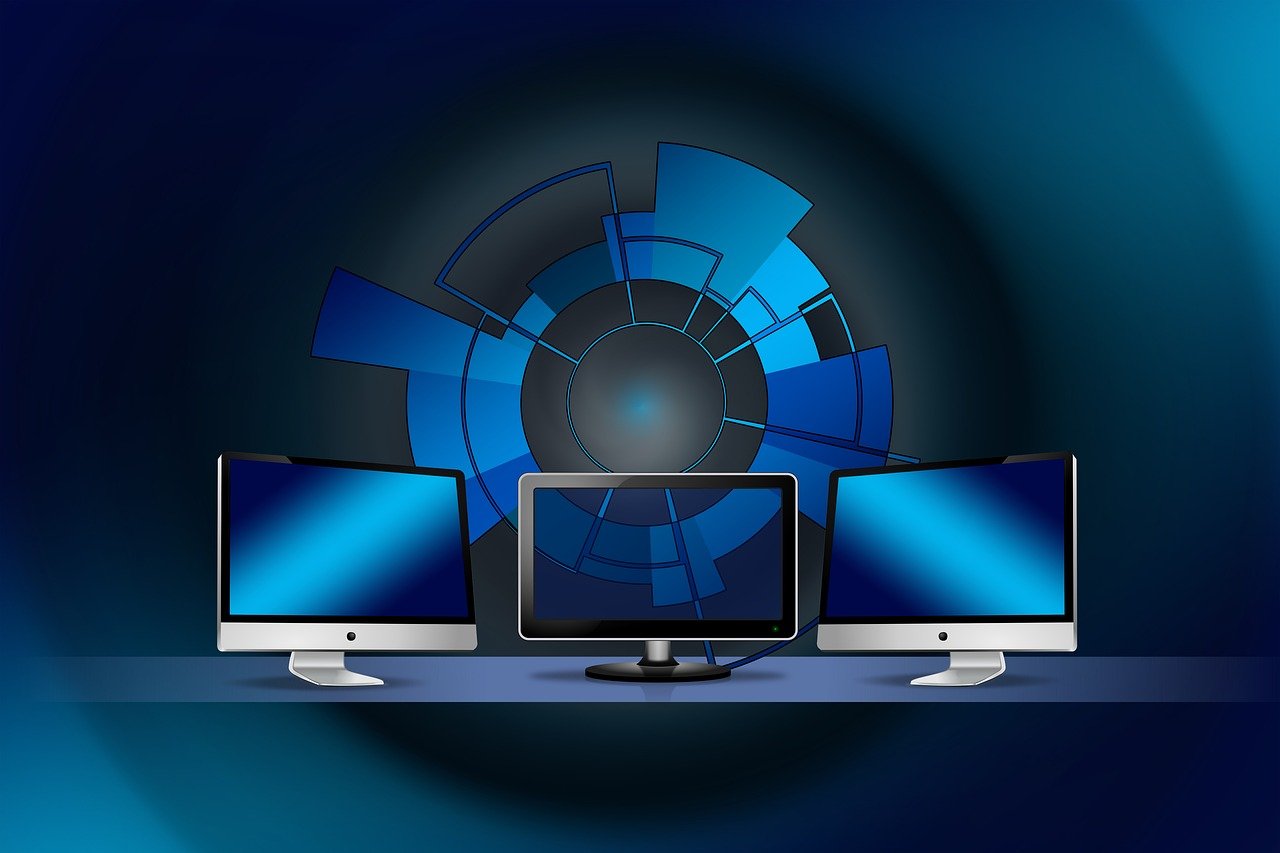
Furthermore, the adoption of dual-monitor setups is expected to see increased popularity, transforming how professionals engage with their workspaces. With tasks requiring multiple applications often, having two screens facilitates multitasking, ultimately improving efficiency. However, ergonomic considerations are paramount when configuring such setups. Users must account for monitor placement to prevent discomfort and strain, using adjustable stands that allow for proper alignment. Of notable importance is the alignment of both screens so they meet at eye level, which helps reduce eye strain significantly. Future developments in monitor placement technology will include solutions specifically designed for dual setups, ensuring a seamless experience without sacrificing ergonomics. With display technologies like OLED or high-resolution displays becoming increasingly accessible, they will also influence monitor design, reducing flickering and blue light exposure. Effective solutions should focus not only on aesthetics but also on enhancing employee wellness through thoughtfully designed products. Companies are examining how to effectively integrate these technologies into office designs to promote user engagement with technology and foster healthier working environments, ultimately leading to happier, more productive employees.
Innovative Materials and Adjustable Stands
Another trend influencing ergonomic monitor placement is the use of innovative materials that support adjustable stands, making it convenient for users to modify their setup. These materials are designed to be lightweight yet sturdy, allowing for easy manipulation of the monitor’s position while ensuring stability. Additionally, advancements in manufacturing techniques can produce robust and flexible components that maintain a stylish appearance while serving ergonomic purposes. Sustainable materials are becoming more prevalent, appealing to environmentally conscious consumers. The emphasis on sustainability not only enhances workplace aesthetics but also contributes to eco-friendly practices within industries. Adjustable stands offer considerable benefits when implemented properly, allowing users to prevent health issues associated with poor posture. Solutions such as sit-stand desks are also gaining traction, as they encourage movement and regular transitions between sitting and standing throughout the day. This flexibility promotes better blood circulation and reduces the risk of chronic pain and discomfort. Furthermore, integrating technology and ergonomic design principles can lead to valuable developments that help users adjust their workspace in real-time, adapting to their needs and preferences seamlessly, resulting in a more productive work environment.
Moreover, virtual and augmented reality are emerging as promising tools for ergonomic monitor placement optimization. These technologies can provide an immersive experience, allowing users to visualize their workspace arrangement virtually before setting it up physically. By providing simulations that showcase optimal monitor placement based on individual needs and preferences, these tools empower users to create ergonomic workstations tailored to reduce discomfort. Companies are beginning to explore ways to incorporate VR and AR features directly into their product lines, allowing consumers to engage with virtual ergonomic assessments during the purchasing process. This shift not only enhances awareness around ergonomics but also promotes educated choices based on personal experiences. Furthermore, integrating mobile applications that leverage these technologies will also make ergonomic design more accessible across various platforms. Future applications will likely give users instant feedback on posture while working, reminding individuals to adjust their screen height or take breaks, ensuring sustained productivity throughout their workday. Overall, continuous research in the virtual realm will lead to significant advancements in developing tailored solutions that prioritize ergonomics while enhancing employee efficiency in diverse work environments.
Smart Desk Integrations
On the horizon, we can expect the proliferation of smart desk integrations that facilitate optimal monitor placements through automated adjustments. These desks can sync with users’ preferences, utilizing data to recall an individual’s ideal sitting or standing height and monitor angle throughout the day. By integrating sensor technology, smart desks will monitor user habits, such as posture and time spent sitting, suggesting timely breaks when necessary. This proactive approach emphasizes wellness by significantly reducing the likelihood of chronic health issues. Users will appreciate monitors that auto-adjust based on their position, cutting down on discomfort and distractions caused by improper alignment. Additionally, smart desk applications can offer workflow suggestions by analyzing task patterns. Data collected will enable users to maximize productivity levels, tailoring setups to suit specific tasks or environments. The potential for customization is boundless, leading to a workspace that genuinely reflects an individual’s needs. Beyond comfort, these technologies will champion workplace safety, making it easier to adhere to health standards. By embracing these innovations, both employers and employees will benefit from more health-centric workspaces that foster productivity and overall wellbeing.
Furthermore, ergonomics extends beyond monitor placement to include how seamless transitions are facilitated within personalized workspaces. By offering users a tailored experience, enhancing the way monitors are positioned is essential for promoting overall wellbeing. The effectiveness of monitor arrangements can be scrutinized further through user feedback, as companies strive to deliver solutions that best fit individual requirements. A strong focus on ergonomic principles during the design phase enhances market appeal and encourages adoption across various sectors. Moreover, the socio-economic reach will extend ergonomics, ensuring that various industries can benefit from these innovations. As more research emphasizes the link between ergonomics and employee productivity, companies will be more inclined to invest in these technologies, ultimately contributing to health, efficiency, and employee satisfaction. Ensuring suitable monitor placement is crucial as future designs emerge, focusing on easily adjustable features that prioritize user comfort. Innovation must continue with both creative and practical applications guiding future iterations of monitor placement strategies to achieve an optimal balance. It is through this thoughtful integration that overall workplace safety and productivity can be significantly enhanced for all.
The Role of Education and Awareness
Education and awareness of the importance of ergonomic monitor placement will also play a significant role in shaping future trends. As technology continues to advance, it becomes increasingly essential for employees to understand how simple adjustments can impact their posture and overall health. Companies should prioritize ergonomic training courses and workshops, equipping employees with the knowledge to set up their workstations properly. In doing so, businesses will witness direct improvements in employee comfort and productivity, reducing the risk of strain-related injuries. Additionally, outreach campaigns can promote the importance of ergonomics and encourage healthy habits among employees. Collaboration between industry professionals and healthcare experts can foster a comprehensive understanding of ergonomics and its long-term benefits, leading to a healthier workforce. Resources such as infographics, videos, and pamphlets can serve as handy references, ensuring employees remember ergonomic best practices. Companies that actively encourage educational initiatives will contribute to cultivating a culture of health and wellbeing. Ultimately, this focus on education will alleviate issues surrounding poor posture and promote healthier workplaces that witness increased employee satisfaction and retention over time.
In conclusion, the future of ergonomic monitor placement strategies promises exciting advancements designed to enhance user comfort and productivity. With technology continuing to evolve rapidly, solutions that ensure proper positioning of monitors will remain central to workplace ergonomics. From adjustable stands and dual-monitor setups to augmented reality tools, options abound for catering to diverse workspaces. The emphasis on smart solutions signifies a trend towards automation and customization, allowing employees to enjoy tailored experiences based on their preferences. Continuous education and awareness initiatives will be vital in ensuring that employees can navigate these innovations effectively while fostering a culture that prioritizes ergonomics. As companies increasingly recognize the value of investing in employee wellbeing, the integration of ergonomic principles into workspace design will become standard practice. Innovating and researching ergonomic technologies will contribute to holistic improvements in workplace environments, leading to healthier, happier employees. By understanding these trends, businesses can position themselves at the forefront of ergonomic advancements, promoting a connected environment that aligns with modern work requirements. Ultimately, prioritizing ergonomics in monitor placement will pave the way for a future where productivity and health coexist harmoniously.