
Posture Correction Exercises in the Second Trimester
Engaging in the right exercises during the second trimester is essential for women as their bodies undergo significant physical changes. This period often brings about concerns regarding posture, as the growing belly shifts the centre of gravity, resulting in discomfort and potential strain on the back. Incorporating posture correction exercises can be beneficial for alleviating discomfort and improving overall strength. Strengthening your core muscles is fundamental. These muscles help support the back and pelvis, promoting better posture. Additionally, exercises that enhance flexibility in the back and hips can alleviate tension. Some effective core-strengthening exercises include planks and bird-dogs, while gentle stretches such as cat-cow poses can improve flexibility. Ensure you consult with your healthcare provider before starting any new fitness program. It is crucial to listen to your body and stop any exercise that causes pain. Maintaining a comfortable, upright position while standing or sitting can dramatically influence how you feel. Take short breaks if you’re sitting for prolonged periods. Using supportive chairs can also help mitigate discomfort during this time. Establishing a routine that emphasizes posture can greatly enhance your pregnancy experience.
Specific Posture Correction Techniques
When it comes to posture correction during the second trimester of pregnancy, specific techniques stand out. One valuable technique is alignment awareness, which encourages moms-to-be to pay closer attention to their body alignment throughout the day. An effective method is to imagine a string pulling the crown of your head upward, aligning the spine. This can aid in maintaining proper posture regardless of the activity at hand. Exercises such as wall angels also offer incredible benefits; simply standing against a wall while trying to slide your arms up and down can promote thoracic spine mobility. Additionally, seated pelvic tilts can effectively engage the core and strengthen lower back muscles. This is vital for improving posture. Remember to breathe deeply during these exercises as it enhances relaxation and supports better posture. Posture strengthening while pregnant is about taking mindful actions every day, such as sitting with your back straight, shoulders relaxed, and ensuring your lower back is supported. By remaining consistent in these practices, you will be laying an excellent foundation for maintaining good posture throughout your pregnancy journey, lowering the risk of back pain and discomfort.
Using proper alignment when lifting heavy objects, such as grocery bags or baby supplies, is essential while adjusting your posture. Position your feet shoulder-width apart, bend at the knees, and lift using your legs to avoid straining your back. Additionally, maintaining supportive footwear can have a significant impact on your overall posture. High heels should be avoided as they shift your centre of gravity and lead to imbalance. Instead, opt for comfortable shoes that provide support. Belly bands can also be helpful; they can assist in alleviating some of the weight that your growing belly exerts on your spine. As your body changes, it’s vital to engage in regular posture checks. Set reminders throughout the day to adjust and correct your posture. You may find it helpful to practice visualization techniques – recall the alignment techniques taught in yoga or pilates, and apply them to your daily movements. Ensure you remain aware of your body’s positioning, which empowers you to maintain a healthy posture. This vigilance ensures that the advantages gained from exercise seamlessly transition into your daily life, making activities easier without the burden of discomfort.
Incorporating stretching exercises into your routine can also enhance flexibility and posture. Try to dedicate at least a few minutes each day to stretch your neck, shoulders, and lower back. One effective neck stretch involves gently tilting your head to one side while holding the opposite shoulder down, lengthening the side of the neck. Perform this on both sides to ensure balance. Your shoulders can greatly benefit from stretches such as shoulder rolls; this simple motion relieves any tightness. Additionally, standing forward bends can alleviate tension in lower back muscles. To execute a standing forward bend, gently hinge at the hips, with a slight bend in the knees, and allow your upper body to hang. Always remember not to force your stretches; instead, focus on a slow and controlled motion. These stretches, performed consistently, can lead to better posture and a high degree of comfort. If you follow these techniques, you can be proactive in minimizing discomfort while encouraging your body to naturally find its correct alignment as your pregnancy progresses.
Fluid Movement and Posture
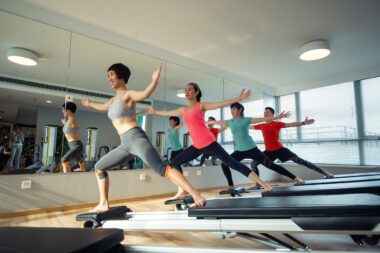
Fluid movements promote proper posture, particularly during this transitional phase of pregnancy. Being aware of how you move throughout your day can enhance both your comfort and stability. When performing everyday tasks, focus on smooth and intentional movements rather than jerky actions. For example, while turning, pivot your feet instead of twisting your back. Protecting your spine during physical activities will help maintain an aligned posture. Engaging in activities such as prenatal yoga can improve your fluidity of movement. These classes emphasize stretching and strengthening, which can be beneficial for combating overexertion. Moreover, you can practice slow, controlled breathing while moving. When inhaling, visualize opening your chest and abdomen, promoting space in your torso, and exhaling while drawing your belly button in towards your spine. This practice not only reinforces good posture but also aids relaxation by reducing tension. Additionally, integrating gentle activities like walking or swimming into your routine can improve core strength while keeping you agile. Maintaining flexibility will also help ease the transition as your body naturally shifts due to the growing baby.
As you embrace posture correction exercises, consideration for your overall well-being is important. Each pregnancy is unique, and challenges may arise; ensure you adapt exercises to suit your comfort level. Don’t hesitate to speak with your healthcare provider or a certified prenatal fitness professional if you’re unsure about what movements suit your needs. Risk elements may include past pregnancies or existing underlying health conditions that may affect exercise participation. Listening to your body is vital; fatigue or an increase in discomfort should be carefully observed. Ensure you adequately hydrate throughout your exercises, particularly when engaging in strength training. Incorporating relaxation techniques such as deep breathing or mindfulness practices can help clear your mind, promoting a sense of calm. Developing a routine of self-care that integrates both physical and mental well-being is essential during this time. Set aside time for rest and recovery in your daily life. Your focus should be on maintaining a positive mindset, allowing you to navigate these changes with confidence. Fostering this holistic approach empowers you to embrace this phase of life responsively.
Conclusion and Long-Term Benefits
In conclusion, posture correction exercises during the second trimester yield substantial, long-term benefits. By embracing these practices, future mothers can foster a stronger, more balanced body, reducing discomfort while enhancing mobility and overall pregnancy experience. They build the necessary foundation to support the growing baby effectively. Such exercises not only fortify physical wellness but improve mental resilience. Maintaining proper posture can enhance energy levels and reduce fatigue during daily activities, which is essential in the later stages of pregnancy. Committing to these techniques fosters empowerment throughout your pregnancy journey; you will feel more in control of your body and its responses. Furthermore, as posture health is cultivated during pregnancy, mothers can pass this awareness onto their children, emphasizing the importance of core strength and body alignment. Postpartum challenges can also be alleviated through continued focus on core strength and posture maintenance. The education surrounding these practices can encourage long-lasting habits that will benefit mothers well beyond pregnancy. Invest time in your health now to experience an organized, empowering journey as a once-in-a-lifetime experience.
Ensure you consult with your healthcare provider before starting any new fitness program. It is crucial to listen to your body and stop any exercise that causes pain. Maintaining a comfortable, upright position while standing or sitting can dramatically influence how you feel. Take short breaks if you’re sitting for prolonged periods.