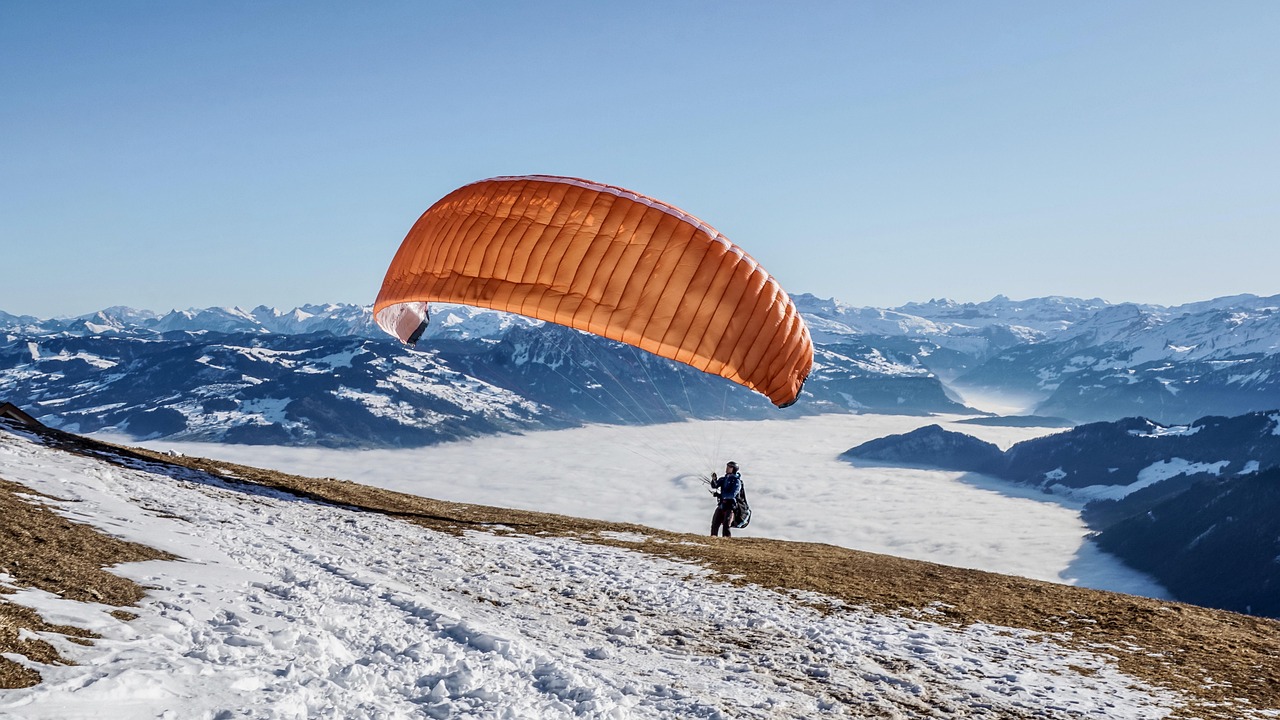

Paragliding for Conservation: Using the Sport to Promote Wildlife Awareness
Paragliding has emerged as an exciting outdoor adventure sport, offering breathtaking views and a unique perspective of nature. Beyond the thrill of soaring above breathtaking landscapes, paragliding can play a crucial role in wildlife conservation efforts. As enthusiasts navigate the skies, they are often met with diverse ecosystems and wildlife habitats that many may overlook. This activity serves as a means of connecting individuals with nature, inspiring them to take action for conservation. Each flight allows pilots to witness firsthand the delicate balance of ecosystems, the variety of species residing within them, and the pressing threats they face. By immersing participants in such environments, paragliding raises awareness about wildlife preservation and the importance of protecting these natural spaces. Furthermore, many paragliding companies are now integrating educational components into their excursions, providing insight into local conservation efforts and species at risk. Ultimately, this blend of adventure and advocacy encourages paragliders to become ambassadors for wildlife. By sharing their experiences, they can effectively promote conservation messages to a broader audience, fostering a collective responsibility to protect our planet’s priceless biodiversity.
The concept of paragliding for conservation extends well beyond mere recreational activity; it invites adventure seekers to reflect on their impact on the environment. Many enthusiasts are not only drawn by the adrenaline rush but also by the opportunity to engage with pressing environmental issues. As individuals glide over diverse habitats, they encounter various wildlife that can serve as a reminder of what is at stake. Activities such as organizing paragliding events specifically aimed at raising funds for conservation initiatives have become popular. These events unite paragliding communities with environmental causes, creating a synergy between thrill-seeking and ecological responsibility. Participants can enjoy the exhilaration of flight while contributing directly to wildlife preservation efforts through sponsorships or entry fees. They help raise funds for projects focused on habitat restoration, species conservation, and education programs for the local communities. The key mover in this blend of sports and conservation lies within the participants’ motivations. They become powerful advocates, advocating for sustained efforts to protect wildlife and actively involving their peers. By creating memorable experiences, they inspire others to join in the mission of wildlife conservation.
Educational Component of Paragliding
Incorporating educational elements into paragliding experiences provides an avenue for greater environmental awareness. Many paragliding schools and adventure companies are beginning to offer programs that emphasize the importance of protecting wildlife while educating pilots about the local ecosystem. Education is a fundamental pillar of wildlife conservation, and it equips participants with knowledge that can evoke long-lasting change. During a flight, pilots have the opportunity to learn about specific wildlife species, their habitats, and the conservation challenges they face. Moreover, numerous flights may include briefings or workshops led by local conservationists and ecologists, where guests can engage directly with experts in the field. They can gain valuable insights on sustainable practices and how to minimize their ecological footprint while enjoying outdoor activities. Furthermore, pilots can take part in citizen science initiatives that allow them to contribute valuable data on wildlife sightings directly to conservation organizations. Such contributions can influence conservation strategies and policies significantly. Educating paragliders amplifies their understanding of human interaction with nature, fusing fun and adventure while promoting a culture of conservation.
Paragliding initiatives can also spark interest in conservation efforts through the development of community relationships. Local communities often hold significant knowledge about their environment and wildlife. Therefore, partnerships between paragliding companies and local conservation groups can prove fruitful in advancing shared goals. By promoting mutual interests, local guides can offer enriching experiences while providing context about the region’s ecology and conservation status. Through their involvement, the community benefits from increased acknowledgment, job opportunities, and a vested interest in preserving local biodiversity. As community members become actively engaged, they share responsibility in safeguarding their own environment while interacting with visitors. This reciprocal relationship ensures that while tourists benefit from incredible paragliding experiences, the community itself prioritizes its natural heritage. Additionally, local involvement in managing paragliding activities helps mitigate the negative impacts that tourism can have on wildlife. Such practices promote a balance between adventure sports and the preservation of the area’s natural resources, ultimately forwarding a more sustainable vision for outdoor recreation.
The Role of Social Media in Conservation Awareness
In today’s digital age, the role of social media in promoting wildlife conservation and adventure sports like paragliding cannot be overstated. With the advent of platforms like Instagram and Facebook, paragliders have an unprecedented ability to share their experiences and influence their audience’s perceptions about the environment. Captivating images and stories can inspire countless followers to appreciate, protect, and engage with wildlife conservation efforts. Enthusiasts posting their paragliding adventures showcase not only stunning landscapes but also the rich biodiversity that often exists in those regions. Through compelling visuals, they can convey essential messages about conservation, encouraging their followers to think about the impact of their actions on the ecosystem. Hashtags associated with wildlife conservation can help spread awareness beyond the immediate community of paragliders, widening the reach of important conservation messages. By promoting specific campaigns or initiatives, social media can mobilize people to come together for a common cause, making it a powerful tool. The interplay between paragliding experiences and digital storytelling creates a bridge between adventure and environmental advocacy, leading to informed action in protecting wildlife.
Paragliding provides a unique opportunity to experience nature from a different perspective, raising important questions about environmental ethics and conservation. As the sport grows in popularity, it beckons a wider audience to appreciate the intricate connection between recreational activities and sustainability. However, this escalation in interest must be paired with a deep respect for local wildlife and ecosystems to ensure minimal disruption. It is crucial for paragliding organizations to advocate for environmentally responsible behaviors among their participants. Implementing best practices for wildlife observation and adherence to local regulations can help prevent disturbances to sensitive habitats. Pilots should be encouraged to observe wildlife from a distance, refraining from any actions that may endanger animals or their habitats. Additionally, promoting the principles of Leave No Trace while engaging in outdoor activities can contribute significantly to the preservation of ecological integrity. Awareness campaigns targeting both paragliders and the broader community can reinforce concepts about responsible outdoor recreation. Through education and adherence to guidelines, paragliders can enjoy their sport while fostering a culture that values and protects wildlife for future generations.
Conclusion: Towards a Sustainable Future
In conclusion, the integration of paragliding into wildlife conservation strategies showcases the potential of outdoor adventure sports in advancing ecological awareness. As paragliders soar across the skies, experiencing the beauty of nature firsthand, they have a significant capacity to influence perceptions around environmental responsibility. The synergy between thrill-seeking and conservation provides an avenue for individuals to engage with and support vital causes while enjoying their favorite activities. By fostering connections between paragliding enthusiasts, communities, and environmental organizations, sustainable practices can flourish, benefiting both wildlife and local residents. As awareness builds through educational initiatives, social media outreach, and responsible actions, the narrative of paragliding can evolve into one of advocacy. It’s crucial for participants to view themselves as stewards of the environment, actively contributing to a collective effort that prioritizes the protection of wildlife. Through their experiences, paragliders possess the power to inspire change, creating advocates who share the importance of conservation with others. Ultimately, paragliding stands as a testament to the intersection of adventure and nature, reflecting an ongoing commitment to a sustainable future.
Paragliding enthusiasts can act as powerful advocates for wildlife conservation efforts. By combining their passion for flight with a sense of responsibility for nature, they can raise awareness and inspire action among diverse audiences. Engaging in discussions about local ecosystems, endangered species, and conservation-related challenges are integral components of this advocacy. Through storytelling, they can share their paragliding experiences while highlighting the beauty and fragility of nature. Incorporating personal stories can create an emotional connection that resonates with people, prompting them to consider their own impact on the environment. By utilizing their platforms to educate others, they contribute to a broader understanding of the challenges that wildlife faces globally. In addition, involving local communities in conservation allows these enthusiasts to empower individuals who have deep-rooted connections to their lands. Collaborations can take various forms, from fundraising initiatives to conservation programs, uniting people across different backgrounds for a vital cause. Ultimately, the vision isn’t merely for thrill seekers to enjoy paragliding but to cultivate a culture where wildlife conservation becomes an essential component of outdoor adventure sports.