
Rehabilitation Protocols for ACL Injuries in Athletes
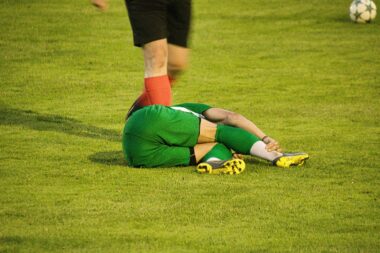
Anterior cruciate ligament (ACL) injuries are prevalent in athletes engaging in high-impact sports, often requiring extensive rehabilitation. These injuries disrupt the stability of the knee and can significantly affect an athlete’s performance and overall health. A comprehensive rehabilitation protocol is essential for optimal recovery to lessen the risk of re-injury. Initial phases should ideally start with reducing pain and swelling, followed by regaining range of motion. Effective rehabilitation focuses on restoring strength and stability through tailored exercises. Gradual progression in rehabilitation, from gentle stretches to more intensive strength training, is critical in this process. Patience and consistent effort from both therapists and athletes are crucial for success. This protocol should also be regularly reassessed to adapt exercises that match the individual’s recovery pace. Involving sports-specific drills is vital as athletes progress through rehabilitation, helping them regain confidence in their movements. Implementing a multidisciplinary approach that includes physiotherapists, nutritionists, and sport psychologists ensures a well-rounded support system. This synergy aids not only in physical recovery but also restores athletes’ mental readiness, preparing them for a safe return to their respective sports.
Phases of Rehabilitation
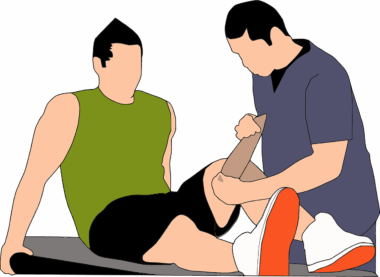
The rehabilitation of an ACL injury consists of several critical phases, each tailored to facilitate healing and strengthen the knee effectively. The first phase focuses on the immediate post-injury period, where athletes must reduce pain and swelling. Ice therapy and gentle mobilization exercises play significant roles at this stage. Subsequently, the rehabilitation shifts toward restoring range of motion and preventing stiffness, emphasizing active and passive stretching exercises. Once the range is established, the strength phase begins, where targeted strengthening exercises for the quadriceps and hamstrings are essential. Introducing weight-bearing exercises is key to regaining muscle function. Alongside strength training, proprioceptive activities enhance balance and coordination, reducing future injury risks. Athletes should also incorporate functional drills to mimic sports movements as they transition into the advanced phase of rehabilitation. This phase focuses on sport-specific conditioning, including agility and plyometric training. Endurance and cardiovascular fitness should not be neglected during recovery, ensuring overall fitness levels remain high. Collaboration between trainers and therapists will guarantee an effective rehabilitation process, tailored for each athlete’s unique needs.
After the basic strength and range of motion are achieved, an emphasis on functional training becomes paramount. This phase transitions into sport-specific drills that focus on restoring athletic performance levels. Athletes should engage in exercises that simulate their sport’s specific movements, which often require quick changes in direction and explosive actions. Agility drills become central in this phase, as they promote rapid response and coordination. Plyometrics should also be included to develop power and explosiveness essential for sports performance. The integration of feedback mechanisms is vital, enabling athletes to understand their body mechanics during these movements. Regular assessments of strength and range of motion can help adjust the rehabilitation protocol accordingly. Psychological factors also take center stage during this phase. Athletes might experience fear or anxiety about re-injury, so incorporating mental conditioning strategies is essential. Therapists can work with sports psychologists to manage these issues effectively, promoting enhanced mental resilience. As athletes progress, they can gradually return to controlled training sessions before fully transitioning back to competitive sports, ensuring that they are physically and mentally prepared.
Injury Prevention Considerations
Ensuring continued injury prevention is a crucial element post-rehabilitation. Athletes must be equipped with strategies to minimize the risk of future ACL injuries, focusing on both enhanced training techniques and body awareness. Conditioning programs should be tailored to address individual weaknesses identified during rehabilitation. Neuromuscular training can benefit athletes by improving muscle coordination and joint stability. The implementation of strength training targeting the knee’s supporting muscles is fundamental. Incorporating flexibility training into the regimen can also be beneficial, ensuring a proper balance between strength and flexibility. Athletes should regularly revisit injury prevention education sessions, focusing on safe landing and pivoting techniques crucial for their sport. Utilizing proper footwear and maintaining good field conditions can further mitigate risks during practice and competition. Strength testing prior to returning to sports can serve as an important benchmark for readiness. Strength asymmetry should be monitored to prevent potential issues. Collaboration with coaches and trainers is necessary to ensure that athletes adhere to their individualized training programs. Creating a culture of injury prevention within sports teams promotes accountability and encourages ongoing focus on safety.
A critical aspect of the rehabilitation process involves nutrition and recovery strategies that can enhance healing and overall performance. Athletes recovering from ACL injuries should prioritize a balanced diet rich in proteins, vitamins, and minerals that support muscle repair and regeneration. Adequate hydration is equally essential, as it aids in maintaining joint lubrication and muscle function. Supplementation may be considered, including nutrients like glucosamine, which may support joint health. Regular sleep patterns contribute to recovery, as sleep supports muscle repair and mental clarity. Specific recovery techniques such as cryotherapy, massage, and hydrotherapy can promote blood flow and alleviate muscle soreness. Listening to the body signals during the rehabilitation period is crucial. Athletes should incorporate rest days, which allow time for recovery and prevent overtraining. Emphasizing mental health through relaxation exercises and mindfulness can also benefit emotional recovery. Integrating these strategies into a comprehensive rehabilitation protocol not only expedites physical healing but supports the emotional and psychological aspects of returning to sport. Engaging with a registered dietitian can provide tailored nutritional guidance to optimize recovery outcomes for athletes over the rehabilitation duration.
Monitoring Progress and Adjustments
During the rehabilitation journey, monitoring an athlete’s progress is essential to ensuring they advance appropriately through the various phases. Regular assessments conducted by physiotherapists help gauge improvement in strength, range of motion, and functional abilities. Adjustments to the rehabilitation protocol should be made based on results from these evaluations. If an athlete experiences pain, swelling, or limitations, modifications might be necessary to avoid setbacks. Employing specific metrics such as the Single Leg Hop Test allows therapists to objectively measure progress. Regular communication between athletes and therapists fosters transparency in the recovery journey. Empowering athletes with tools to track their own progress enhances motivation and accountability. Utilizing technology like wearable devices for feedback can provide additional data on movement patterns and training loads. As athletes approach full recovery, it becomes essential to gradually reintroduce sport-specific drills, ensuring that they feel confident and competent in their performance. This transition period should also incorporate elements of competition to prepare athletes mentally. Continuous evaluation during this phase further solidifies physical confidence, leading to a successful return to the sport.
Returning to sport following an ACL injury involves careful planning and a structured gradual reintegration into competitive environments. Athletes must be adequately prepared physically and mentally before they step back onto the field. A crucial point is participation in controlled practice scenarios before entering competitive play. Coaches should collaborate with rehabilitation professionals to develop these practice sessions that mimic game conditions without the potential intensity levels of full competition. Monitoring athletes during these sessions is vital to ensure they manage physical demands successfully. Open dialogues about physical and psychological readiness should be facilitated. Athletes should feel empowered to communicate any concerns about pain or readiness to avoid premature exposure to competitive scenarios. Proper warm-ups and cool-downs must remain an integral part of all training regimens to promote safety and reduce risks. Injury prevention strategies learned during rehabilitation should be emphasized, as continued education can help further sustain athlete safety. Regularly revisiting retesting protocols post-return to competition is essential. This comprehensive re-entry plan ultimately aims to foster sustained success, ensuring athletes not only return to their previous performance levels but also thrive in their overall athletic careers.
Finally, ongoing education in sports medicine for both athletes and professionals determines the future success of ACL injury management. This education provides updated research findings and innovative therapeutic techniques helpful for injury recovery and prevention. Sports programs should invest in workshops and training sessions aimed at both athletes and coaches. Knowledge sharing helps build resilience and informs athletes about current trends in rehabilitation protocols. Engaging in online platforms and communities can foster a sense of support for those undergoing similar experiences. Expanding access to evidence-based research helps inform all stakeholders about the physiological processes involved in ACL injuries. Furthermore, understanding the emotional journey athletes experience throughout their recovery fosters greater empathy and care in support systems. Updating rehabilitation protocols based on progressive research ensures that strategies remain effective and relevant. Incorporating direct athlete feedback on rehabilitation experiences empowers future program development. By nurturing strong communication between athletes and healthcare providers, it fosters a collaborative atmosphere that enhances long-term outcomes. Through such ongoing education, the sports medicine field can strive to improve the standard of care for athletes recovering from ACL injuries, paving the way for healthier sporting experiences.