
Dance Aerobics Movements to Improve Lower Body Power
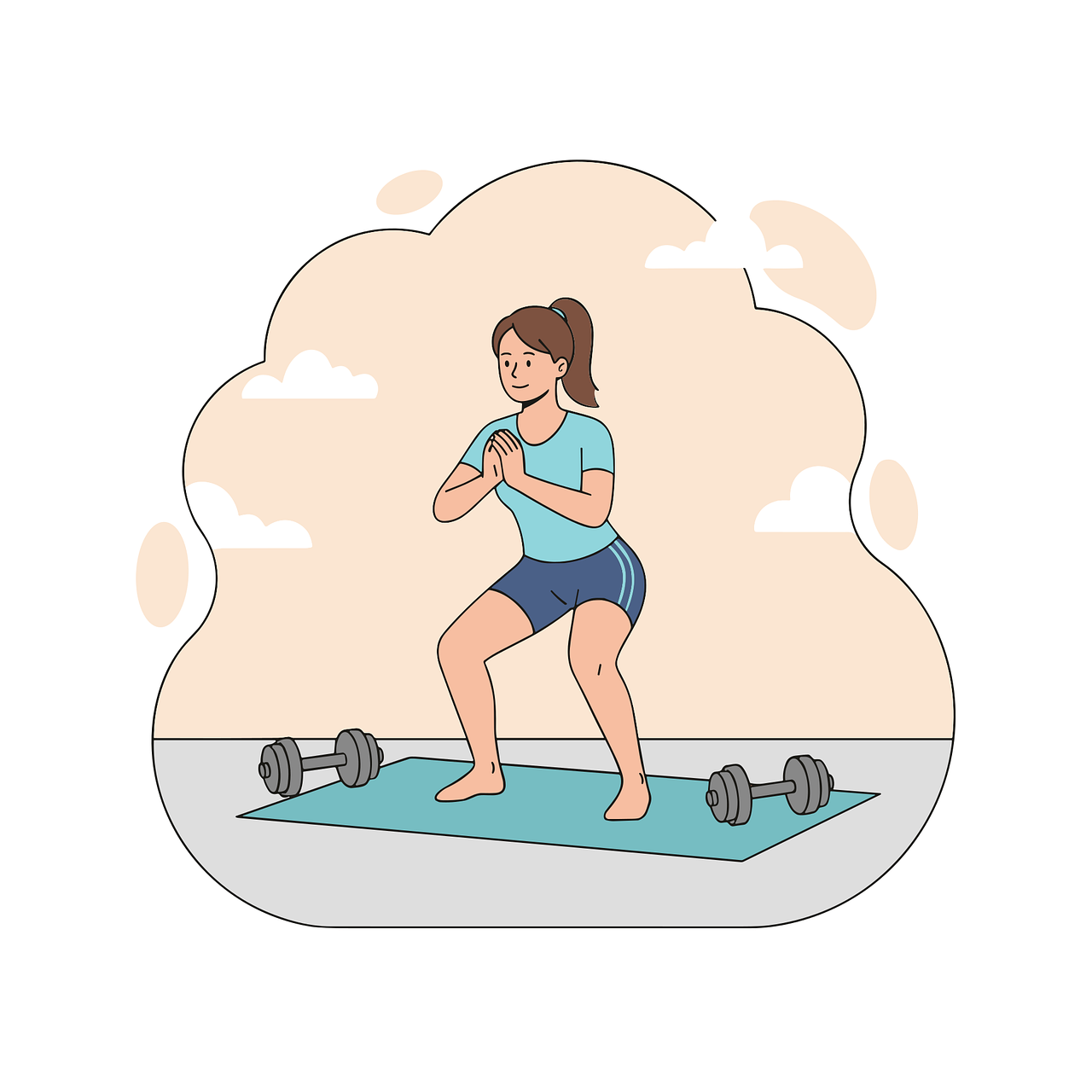
Dance aerobics serves as an exceptional method for enhancing lower body power through dynamic movements that engage core muscles effectively. This fitness technique emphasizes rhythm, coordination, and strength-building exercises in a vibrant environment. When performed consistently, the dance movements improve stamina and muscle endurance, ultimately leading to enhanced athletic performance. Specific dance routines incorporate techniques like squats, lunges, and kicks, promoting muscle engagement in a fun yet effective way. The explosive movements of dance aerobics work primely on major muscle groups, thus providing a full-body workout experience. By concentrating on lower body power, dancers not only elevate their aesthetic but also build strength necessary for various sports activities. Furthermore, muscle conditioning through aerobic dance nurtures healthy joints while promoting flexibility. This creative workout can give participants a well-rounded experience, engaging both the mind and body. Routine practice fosters an appreciation for rhythm and movement, ensuring that strength gains are accompanied by improved coordination. Hence, integrating dance aerobics into a fitness regimen could yield fruitful results, especially for those seeking power-focused performance in athletics.
A primary aspect of dance aerobics, particularly for lower body power, is the execution of rhythmic stepping patterns. Incorporating varied intensities can significantly enhance the workout regimen, keeping participants engaged. Enhancing lower body strength through dance is not merely about heavy weights; it’s about mastering bodyweight movements that simulate plyometric exercises. Jumping, for example, works wonders in engaging more muscle fibers, thus promoting muscular strength more efficiently. When choreographing routines for improving lower body power, consider movements like side lunges, which not only strengthen quadriceps, but also engage the hamstrings and glutes. The interplay between these muscle groups allows for balanced strength development. Moreover, the impactful nature of dance routines can trigger greater calorie burns, leading to improved overall fitness. To create a well-rounded aerobics routine, incorporate faster-paced drills intermittently to stimulate cardio endurance, resulting in a more athletic build. The repetition of movements in a dance format contributes to muscle memory, enabling quicker reactions in various athletic endeavors. This unique combination of aerobic dance brings both an aesthetic joy and fitness benefits, ultimately paving the way for enhanced athletic performance.
Each dance aerobics session should begin with a warm-up designed to activate the lower body muscles. Starting with lower-intensity moves prepares the body for more strenuous activities. Engaging in hip circles, calf raises, and gentle lateral shuffles can effectively prime the muscles. As participants work through these movements, they introduce elasticity and mobility, reducing injury risks substantially. Moreover, including stretches during the warm-up increases flexibility, which is vital for powerful movements in dance aerobics. Stretching areas like the hip flexors and hamstrings prepares the body for explosive moves essential in developing lower body power. After establishing a solid warm-up, the real fun begins. Integrating dance techniques such as cha-cha steps, or jazz squares not only boosts coordination but also promotes muscular strength. Utilizing the arms along with lower body movements fosters proper body control, culminating in greater power generation during dynamic actions. Remember to allow periods of recovery throughout the session, adapting to individuals’ varying fitness levels. Balancing intensity with recovery prevents fatigue and allows for maximum effort during key movements, critical for building lower body strength effectively.
Targeting Key Lower Body Muscles
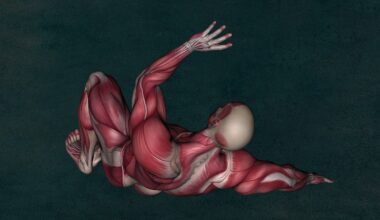
Key muscles in the lower body that benefit from dance aerobics include the quadriceps, hamstrings, glutes, and calves. Dynamic movements target these areas for optimal strength enhancement, which can significantly improve athletic efficiency. For instance, utilizing squatting actions within dance routines specifically develops quads and glute strength, which is vital for various athletic activities, including sprinting and jumping. Similarly, extending dance movements into the back leg during kicks provides necessary hamstring engagement, leading to powerful propulsion while moving. Moreover, emphasizing calf raises during dance programs can drastically increase lower leg strength and stability, which is especially essential for athletes who engage in jumping sports. Engaging in exclusive dance aerobics routines focusing on these muscle groups not only builds power but cultivates an enjoyable environment. Incorporating varying tempos, resistance, and choreography keeps participants engaged while concentrating on muscle activation. Researchers emphasize balance workouts, including dance aerobics, to complete strength training routines effectively. This puts less strain on joints while ensuring enhanced movement efficiency, essential for preventing injuries, especially over extended periods of training.
The social aspect of dance aerobics deserves mention, as working in groups fosters motivation while encouraging accountability. This makes the dance aerobic sessions more enjoyable, leading to improved workout consistency. Participants often find difficulty achieving their fitness goals in isolation, and engaging in group activities inspires them collectively. The supportive atmosphere created during dance classes promotes enthusiasm and determination to consistently attend sessions. Additionally, having an encouraging instructor familiar with desired outcomes allows for effective demonstration of routines aimed at enhancing lower body power. Expert guidance delivers not only proper techniques but also fun choreography that participants will love, ensuring adherence levels remain high over time. Furthermore, interaction during classes can boost confidence significantly while reducing anxiety. When participants feel comfortable dancing in front of peers, they are more likely to embrace the movements fully. This in itself translates into greater muscle engagement during workouts, ultimately facilitating better results in strength development. Consistent attendance to dance aerobics classes cultivates commitment, as participants share common goals. This is essential for establishing a solid foundation for enhancing athletic performance through lower body power.
Incorporating Cross-Training Options
To maximize the benefits of dance aerobics for lower body power enhancement, cross-training should be considered as an essential component. This involves integrating various exercise formats alongside dance to stimulate muscle development holistically. Incorporating weight training, resistance bands, or functional exercises like squats and deadlifts adds new dimensions to the routine while enhancing strength. Cross-training creates well-rounded muscle conditioning; thus, allowing not just lower body empowerment but upper body resilience as well. For example, combining dance aerobics with weight circuits can stimulate different muscle groups simultaneously, promoting efficient calorie burn. Variation found in workouts prevents plateaus, keeping participants engaged while fostering muscle adaptation. This consistent introduction of new challenges allows for continued lower body power development, crucial for any athlete. Moreover, varying training modalities supports improved cardiovascular fitness, contributing to overall health. Athletes should not solely rely on one method of training; this leads to imbalances and might hinder progress. Instead, enthusiasts should embrace effective cross-training strategies to achieve optimal results, impacting performance positively, leading to exceptional achievements in athletic endeavors. Progress is best achieved with dynamic and varied fitness approaches.
In conclusion, dance aerobics provides a fun, effective method for improving lower body power through engaging choreography and dynamic movements. The focus on rhythm and coordination coupled with muscular strength development promotes overall fitness and athletic efficiency. All workouts should be tailored to incorporate various routines that interface diverse muscle groups, ultimately yielding impressive results. Attending consistent dance aerobics sessions enhances stamina while improving flexibility, essential for powerful movements in sports activities. Furthermore, the social nature of group classes encourages motivation and adherence, which play a massive role in ultimately achieving set goals. Participants should also embrace cross-training techniques to provide well-rounded conditioning and prevent plateaus, maximizing their strengthening routines. Understanding proper techniques allows for safe and purposeful engagement of lower body movements. It’s essential to foster a balanced approach in developing strength to yield optimal athletic performance. Whether pursuing competitive sports or simply aiming for improved fitness, incorporating dance aerobics into a training regime can significantly enhance lower body power. Not only does it invigorate physical strength, but it also elevates the joy in training, nurturing an invigorated lifestyle centered around movement and health.