
The Role of Kata in Ninjutsu Training
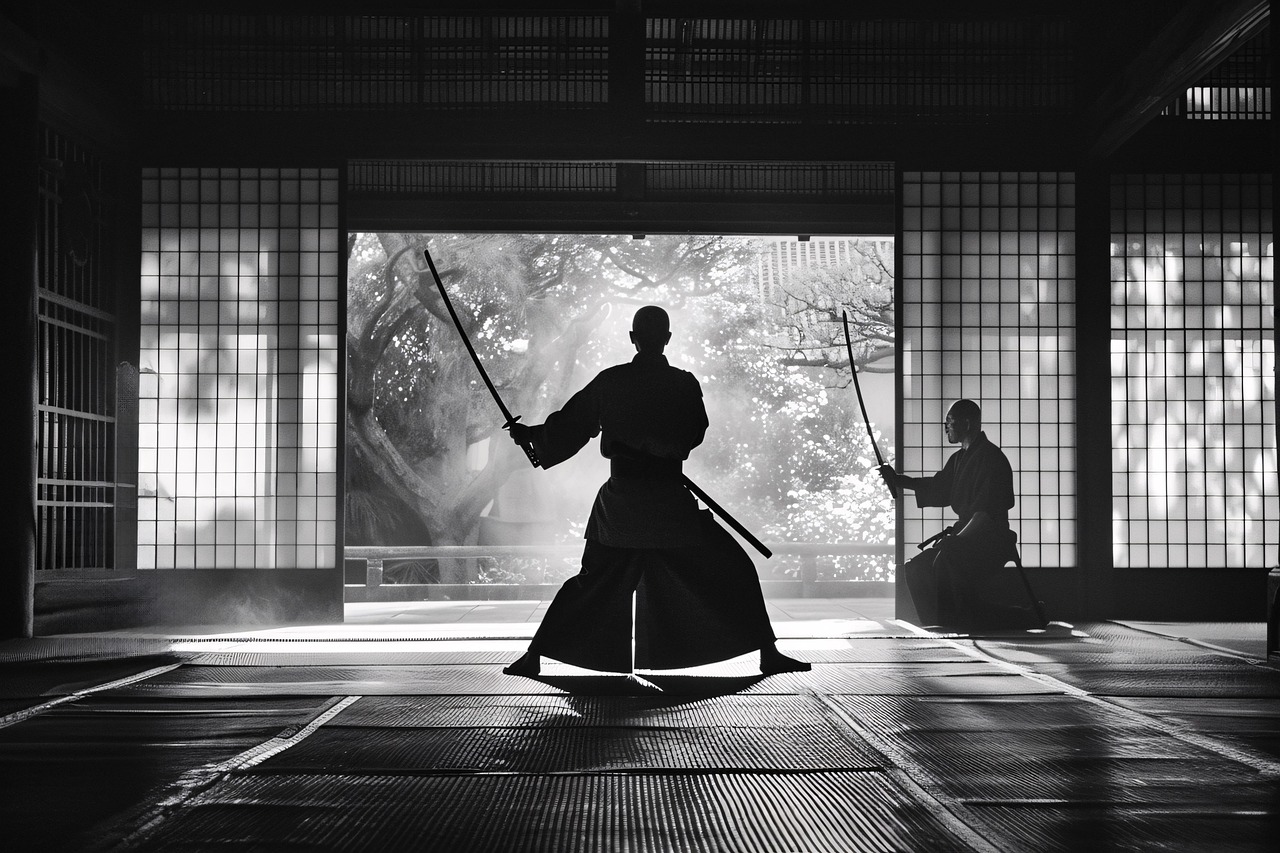
Kata, in the context of Ninjutsu training, represents a critical aspect deeply intertwined with the overall curriculum. These pre-arranged forms facilitate a structured way for practitioners to learn essential techniques, fostering muscle memory over time. Furthermore, kata serves as a bridge between traditional martial wisdom and modern training methods. The repetitive practice of kata enables students to internalize movements, allowing them to respond instinctively during combat scenarios. The patterns within kata also enhance one’s understanding of distance, timing, and rhythm, crucial elements in combat effectiveness. Practicing kata systematically reinforces core principles inherent to Ninjutsu, such as fluidity, adaptability, and strategic thinking. Students not only engage physically, but they also stimulate cognitive faculties, as they memorize and execute each movement. Beyond physicality, kata often embodies philosophical lessons, offering insights into perseverance and discipline. Many schools emphasize the importance of kata as both an art form and a martial application, affirming its relevance in today’s training environments, making it an irreplaceable component in the evolution of Ninjutsu practitioners through time.
Within martial arts, kata establishes a ritualistic format that sharpens technique and fosters a deep connection among practitioners, promoting unity and tradition. Ninjutsu’s kata often reflects its historical roots, preserving techniques passed down through generations. Practicing kata cultivates focused energy and intention, allowing students to engage deeply with their training. Moreover, kata serves as a self-reflective tool, empowering students to analyze their progress. In each movement, they can observe areas requiring improvement or greater mastery. Ninjutsu practitioners view kata as a powerful medium for personal growth and transformation, elevating their training experience. Engaging with a partner during kata practice further enhances learning; this interaction provides immediate feedback and reveals practical applications of each technique. The partner’s movements also simulate real-life attacks, fostering adaptability and quick reflexes. Kata can even serve as a basis for sparring techniques, allowing for creativity in applying forms during free fighting. With this dual purpose, kata remains undeniably relevant, continually evolving within the art of Ninjutsu, adapting to the needs of modern practitioners while esteemed heritage remains intact.
The Importance of Visualization in Kata
Visualization plays a pivotal role in mastering kata, especially within Ninjutsu training. Practitioners are encouraged to visualize each movement meticulously, enhancing their mental connection to the form. This cognitive exercise significantly impacts muscle memory, enabling students to internalize the sequence more effectively. By imagining each strike, block, or defensive maneuver, students engage multiple senses, creating a multi-dimensional understanding of the kata. Furthermore, visualization can help attack the limitations of physical practice, allowing for enhanced experience without physical exertion. It serves as a mental rehearsal, a crucial step in refining technique and instilling confidence before executing movements in real scenarios. In competitions or self-defense situations, relying on a strong mental image can be the difference between success and failure. As students progress, they begin to develop their interpretations of kata, using visualization to adapt techniques to their unique body mechanics and style. This approach ensures that each practitioner not only replicates traditional forms but creates their style that embodies both their personality and training experiences. Therefore, visualization becomes an essential tool in the journey towards mastering Ninjutsu through kata.
The relationship between kata and self-discipline in Ninjutsu training cannot be overstated. Engaging in regular kata practice enables students to cultivate discipline, patience, and focus—qualities integral to successful training and effective application. Each repetition requires unwavering attention and adherence to the prescribed movements. In the face of fatigue or frustration, kata encourages practitioners to push through, developing mental resilience. This discipline often transcends physical training; it fosters a mindset that can be applicable to personal and professional life. As students consistently practice, they recognize the fruits of their labor, experiencing gradual improvements that reinforce their commitment. Beyond personal development, practicing kata in a group setting contributes to a shared discipline, encouraging camaraderie and collective motivation. Together, practitioners foster an environment where mutual respect and growth thrive. Moreover, kata supports a structured path within a chaotic world, offering a direct method for channeling energy. This structure promotes a sense of purpose which is essential for achieving mastery in Ninjutsu. Hence, through martial exploration, kata not only nurtures martial skills but shapes character and strengthens interpersonal bonds.
Kata as a Means of Teaching Philosophy
In Ninjutsu, kata extends beyond mere physical practice; it is a dynamic means of conveying the deeper philosophies of martial arts. Each kata encompasses strategic elements that reflect underlying martial principles like timing, distance, and strategy, revealing how martial artists should approach challenges in life. By studying these forms, students learn not only how to execute movements but also how to embody the principles of balance, precision, and adaptability. The philosophical components embedded within kata enrich the practitioner’s experience, encouraging introspection and personal development. Moreover, teachers utilize kata as a storytelling device, imparting historical, cultural, and tactical lessons integral to martial arts heritage. Through kata, students encounter moments that urge them to reflect on their personal values, motivating a deeper commitment to the training journey. This exploration fosters a well-rounded practitioner who values discipline, respect, and humility, core tenets of the martial arts community. Through effective integration of philosophy and technique, kata nurtures the development of individuals who not only excel in Ninjutsu but contribute positively to society.
The social aspect of kata creates a vital community experience among Ninjutsu practitioners, promoting bonding and mutual respect among colleagues. Practicing kata within a group fosters a sense of belonging and shared purpose that enhances traditional martial arts culture. These interactions promote a supportive learning environment in which practitioners feel encouraged to explore their strengths and weaknesses. Partner work during kata practice provides opportunities for constructive feedback, crucial for skill advancement. Additionally, exploring kata collaboratively leads to discovering new interpretations and improvements that can enhance individual performance. This camaraderie promotes an atmosphere where practitioners feel empowered to support one another in their training endeavors. Furthermore, kata acts as a bridge of communication when practiced with diverse martial artists, enhancing appreciation for varying styles and philosophies. Understanding the nuances of different kata can provide insights into other martial disciplines, enriching each practitioner’s perspective. Collectively, these relationships established through shared practices instill a stronger sense of purpose within the martial community. Thus, kata emerges as not only a personal journey but a collective experience that fosters unity and deepens connections across styles.
Conclusion: The Enduring Relevance of Kata
In summary, kata remains a cornerstone of Ninjutsu training, deeply ingrained in its philosophy, technique, and community. Through kata, practitioners unlock a comprehensive understanding of the martial art, blending traditional techniques with personal growth. The repetitive nature of kata enhances physical skills while simultaneously honing mental faculties, equipping students with lasting principles applicable in various life situations. Furthermore, as a tool for social cohesion, kata nurtures bonds among practitioners, fostering an environment where collaboration and respect are paramount. The impact of kata transcends the dojo, cultivating character traits essential for personal and professional success. As modern martial artists adapt and innovate their training methodologies, kata endures as a vital element within Ninjutsu, offering timeless lessons that guide practitioners throughout their journeys. Even as new challenges arise, the wisdom encapsulated in kata empowers students to embrace change while remaining rooted in tradition. Ultimately, kata remains a compelling symbol of martial heritage in Ninjutsu, preserving its essence for future generations to experience, adapt, and thrive.
As Ninjutsu evolves, practitioners are encouraged to explore the nuances and opportunities that kata presents within the art’s framework, ensuring that it retains its relevance amid modern practices. By fostering an ongoing dialogue about kata, practitioners advance their understanding and appreciation of its intricacies, deepening their connection to the art.