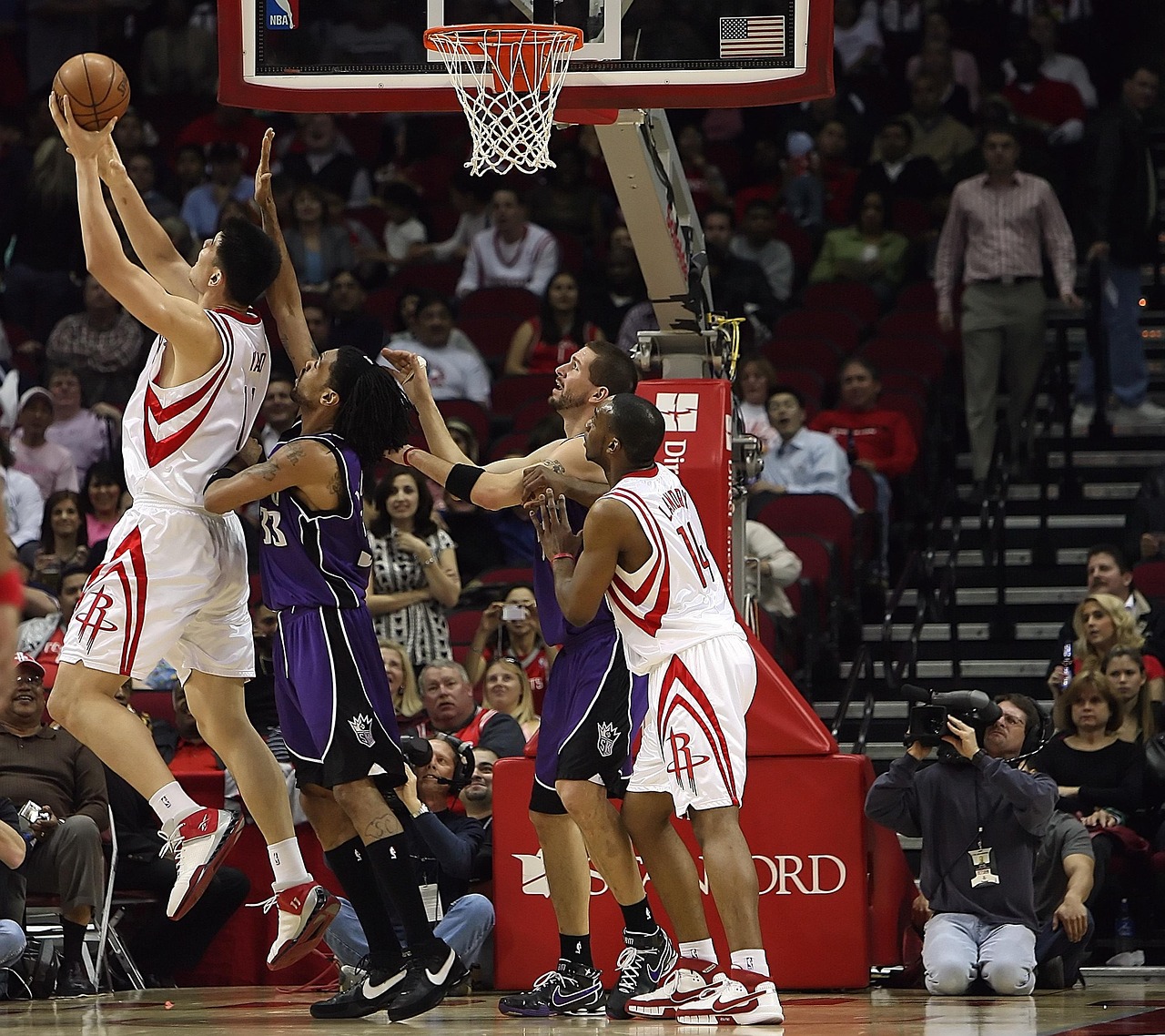

Handling Double Teams Effectively as a Small Forward
As a small forward, encountering double teams on the basketball court is a common challenge. Mastering the ability to handle these defensive strategies can significantly enhance your performance. One critical skill is understanding how to recognize when a double team is about to happen. This allows you to make quicker decisions and adapt your playstyle accordingly. Look for cues such as defenders signaling or positioning themselves to trap you. Once identified, embrace the opportunity to exploit the defensive imbalance to your advantage. Another tactic involves maintaining proper spacing. Ensuring your teammates are strategically positioned can create openings for offensive plays. Effective communication among players is essential. Always be vocal about where you need support and how you are being defended. Additionally, practicing ball movement drills helps reinforce quick passes under pressure. Utilize these techniques during practice sessions to acclimate to high-pressure situations. By being proactive, you can turn a double team into an advantage, leading to scoring opportunities for yourself or your teammates on the floor.
Utilizing your dribbling skills is paramount when confronted with double teams. Use your body to shield the ball, keeping it away from defenders while you create space. Employ change of pace and direction to throw off your defenders and break free from their reach. Consider incorporating hesitation moves or crossover dribbles into your game. These techniques can disarm opponents and create openings where none appeared to exist. Always keep an eye on passing angles. An effortless pass to an open teammate can be more beneficial than forcing a shot. If double teams collapse around you, it often means a teammate is open somewhere on the floor. Develop the ability to pass quickly and accurately under pressure. This not only enhances your skill but elevates your team’s dynamic as well. Another essential aspect is practicing situational awareness. Constantly scan the court for other players and openings. With consistent practice, your ability to read defenses will improve. Understanding where to go with the ball before receiving it will allow you to move efficiently, minimizing turnovers, and maximizing scoring chances.
Anticipating the Defense
Anticipating the defense’s movements can significantly enhance your effectiveness against double teams. Focus on reading defenders’ eyes and body language. This instinctive skill develops over time and with experience. Develop an understanding of how different teams react under pressure to improve your anticipation. For example, some teams may aggressively force a trap, while others will adopt a more conservative stance. Another method to counter double teams is by using fakes. A well-timed shoulder fake or jab step can disorient defenders and create space for movement. Remember to always keep your pivot foot grounded, allowing for maximum flexibility while you maneuver. Training specifically to enhance your fundamentals will make you much more formidable during those tense moments on the court. Incorporate game-like situations during practices where you actively seek to break double teams. This instills confidence and hones your instincts to react effectively. Also, reviewing game footage can be exceptionally beneficial. Seeing your past performance against traps allows you to see areas for improvement. Each opportunity to learn propels you closer to mastering the ability to handle double teams efficiently.
Building physical strength also plays a vital role in successfully navigating double teams. Developing upper body strength enables you to hold off defenders effectively while you survey your options. Consistent weight training and conditioning are essential components of your overall training regimen. As a small forward, incorporating workouts that build core strength and agility is equally important. High-intensity interval training (HIIT) can enhance your overall athleticism and prepare you for the quick lateral movements necessary during double teams. Additionally, aligning yourself with a skilled coach can provide you with tailored feedback and expert guidance on your technique. Focus on drills that simulate double team scenarios, allowing you to practice under pressure. Take note of how you respond and adjust your strategies accordingly. Additionally, emphasize the psychological aspects of dealing with pressure. Confidence in your abilities can make a significant difference. Engaging in mindfulness techniques or visualization practices can enhance your mental resilience. Ultimately, the combination of physical and mental preparation will empower you to tackle double teams head-on.
Leveraging Teammate Support
When faced with double teams, leveraging the skills of your teammates is crucial. Understanding each player’s strengths allows you to exploit mismatches effectively. If you are in a tight spot, passing the ball to a teammate who is adept at shooting or driving can shift the pressure away from you. Emphasizing trust and chemistry with your teammates can create a more cohesive unit on the court. Practice makes perfect, so regularly work through double team scenarios with your teammates during practice sessions. This cultivates a sense of shared responsibility and enhances everyone’s readiness to react under pressure. Discuss strategies off the court where each player shares their strengths and ideas for success. Equally vital is the importance of spacing; ensure you and your teammates aren’t crowding one another. Create passing lanes by positioning yourselves effectively, allowing for smoother ball movement. Moreover, adaptability in your team formations can help confuse opponents and mitigate the impact of double teams. By functioning as an interconnected unit, your chances of success when faced with pressure situations will significantly increase.
Decision-making speed is another key factor when facing double teams. As a small forward, honing your ability to make quick choices will give you a competitive edge. In high-pressure situations, hesitation can lead to turnovers or missed scoring opportunities. Utilize read-and-react principles to enhance your responsiveness. Regularly practicing decision-making drills will sharpen your instincts and help you internalize effective responses to double teams. Remain calm under pressure, focusing on maintaining your composure. Physically rehearse scenarios where you’ve faced double teams before, considering what worked and what didn’t. Furthermore, studying high-level players who successfully handle double teams can provide insight and inspiration. Learning from the best can offer you techniques that are easily adaptable to your style. Regularly reviewing footage or highlights can also prove beneficial. Additionally, analyzing how professional players navigate similar situations will enhance your understanding and skill. Finally, fostering good communication with teammates ensures everyone is aware of the executing strategies designed to deal with double teams effectively.
Continuous Improvement
Continuous improvement is essential for any player seeking to master the art of handling double teams. Regular feedback from coaches and teammates can provide valuable insights that nurture growth. Schedule periodic assessments of your performance and adjust your training regimen accordingly. Focus on targeting areas involving weaknesses. Additionally, embracing consistency in your practice sessions will aid in reinforcing your skills. Engaging with skilled players and participating in competitive drills will expose you to different defensive strategies and approaches. As you encounter various opponents, your adaptability will significantly improve. Always stay committed to pushing your limits. Consider incorporating advanced technologies, like shooting and passing machines, to elevate your skills and effectiveness while practicing alone. Engage in scenario-based training specifically designed for double teams, allowing you to simulate how high-pressure environments feel on the court. Analyzing game scenarios at a thoughtful pace fosters a deeper understanding of your playing style. Remember, perseverance is vital. Embrace challenges as opportunities for growth while maintaining your passion. In conclusion, mastering double teams as a small forward is achievable through diligent practice, observation, and a willingness to learn.
Ultimately, becoming proficient in handling double teams won’t happen overnight. It involves dedication, practice, and a strategic mindset. Commit to your training and embrace the lessons that come with facing challenges. If you consistently apply these principles and techniques, the ability to handle double teams efficiently will only strengthen. Remember to combine physical prowess with mental agility for maximal effect on the court. Surround yourself with a supportive team atmosphere that encourages growth and resilience. Such an environment fosters confidence, allowing every player to shine in their role on the team. Skills honed during practice will translate into success during games, leading to improved overall team performance. Your development as a player is an ongoing process, so remain flexible to adjustments. Building your skills as a small forward equips you with indispensable tools to combat double teams. Keep striving for excellence, and don’t forget to enjoy the journey along the way. Basketball is as much about community and camaraderie as it is about competition. Be an integral part of your team, fostering an encouraging, diligent atmosphere for yourself and your teammates.