
Functional Bodyweight Workouts for Busy Schedules
Life can get hectic, making it hard to find time for fitness. However, bodyweight exercises provide a powerful solution for busy people. With these exercises, you can improve strength, flexibility, and endurance without needing extra equipment. Moreover, they can be performed almost anywhere—home, office, or while traveling. The convenience of bodyweight workouts makes them ideal for individuals with packed schedules. Additionally, they allow you to engage in a varied workout regimen that maximizes results while minimizing the time requirement. Devoting even just twenty to thirty minutes a day means you can stay consistent. Even for those balancing work and family commitments, these workouts help you carve out essential time for fitness, all while accommodating your demanding routine. The approach will vary, of course, depending on your fitness level. Yet it can accommodate everyone, from fitness novices to seasoned athletes. Moreover, you can tailor these exercises to your preferences, ensuring enjoyable workouts. This adaptability means you’re more likely to stick with your routine. Let’s explore effective strategies and key exercises that make bodyweight workouts viable regardless of your busy schedule.
The Core Benefits of Bodyweight Exercises
Bodyweight exercises offer several appealing benefits that suit today’s busy lifestyle. Primarily, they can help improve overall body strength and muscular endurance without requiring a gym membership or pricey equipment. Additionally, they enable you to develop proper movement patterns, further reducing the risk of injury in other activities. Flexibility is another crucial area that these exercises target, allowing greater range of motion and enhanced mobility. With boundless variations available, you can align the difficulty with your current fitness level. Therefore, bodyweight workouts help in personal development. This form of exercise also promotes core stability, essential in everyday activities and sports performance. You engage your core muscles, leading to better posture and balance. For those seeking convenience, bodyweight movements can be performed in short intervals, effectively breaking up sedentary periods during the day. Consequently, even brief bursts of activity can invigorate both mind and body. Moreover, these workouts require minimal space and time, enabling you to focus on fitness whenever you have the chance. As you incorporate these effective methods into your life, you’re preparing your body for functional tasks, making daily living activities easier and more efficient.
To get started with bodyweight workouts, establishing a structured routine is vital. Structure your sessions around compound movements that work multiple muscle groups simultaneously. Exercises such as push-ups, squats, lunges, and planks are easy to learn and can be modified for difficulty. Consistency is important; dedicate three to four days a week to bodyweight training. You can devote varying time slots to various exercises, possibly incorporating two-day splits or circuits for efficient training. Start each session with a warm-up to raise your heart rate and prepare your muscles for action. Following this, proceed with a series of exercises targeting various body parts. Implement rest periods to ensure muscle recovery. Gradually increase the intensity of your workouts by adjusting the number of repetitions, sets, or tempo. Consider mixing workouts into different formats, such as Tabata or AMRAP (as many rounds as possible), to keep things intriguing. Additionally, listen to your body and allow for recovery weeks to avoid burnout. The goal is to maintain sustainability within your workout approach, creating a healthy balance between exertion and recovery.
Creating Your Bodyweight Workout Plan
When planning your bodyweight workouts, it’s essential to establish specific goals. Whether you aim for weight loss, muscle gain, or increased endurance, your objectives will guide your workout selections. Start by identifying which exercises align with your goals and preferences. Consider incorporating a variety of movements into your routine, such as push-ups for upper body strength and squats for lower body endurance. Additionally, integrating dynamic sequences, such as burpees or mountain climbers, can enhance cardiovascular fitness while challenging your body. Keep in mind the importance of a balanced approach; make sure to include lower body, upper body, and core workouts in each session to prevent muscle imbalances. Aim to create a weekly schedule that includes alternating focus areas, ensuring you hit all target muscle groups effectively. By allowing for muscle recovery, you’ll experience optimal results. You might also want to involve friends or family members in your workouts to promote accountability and motivate each other. Whether following an app or an online program, establish a training routine that best suits your lifestyle while keeping fitness enjoyable and progressive.
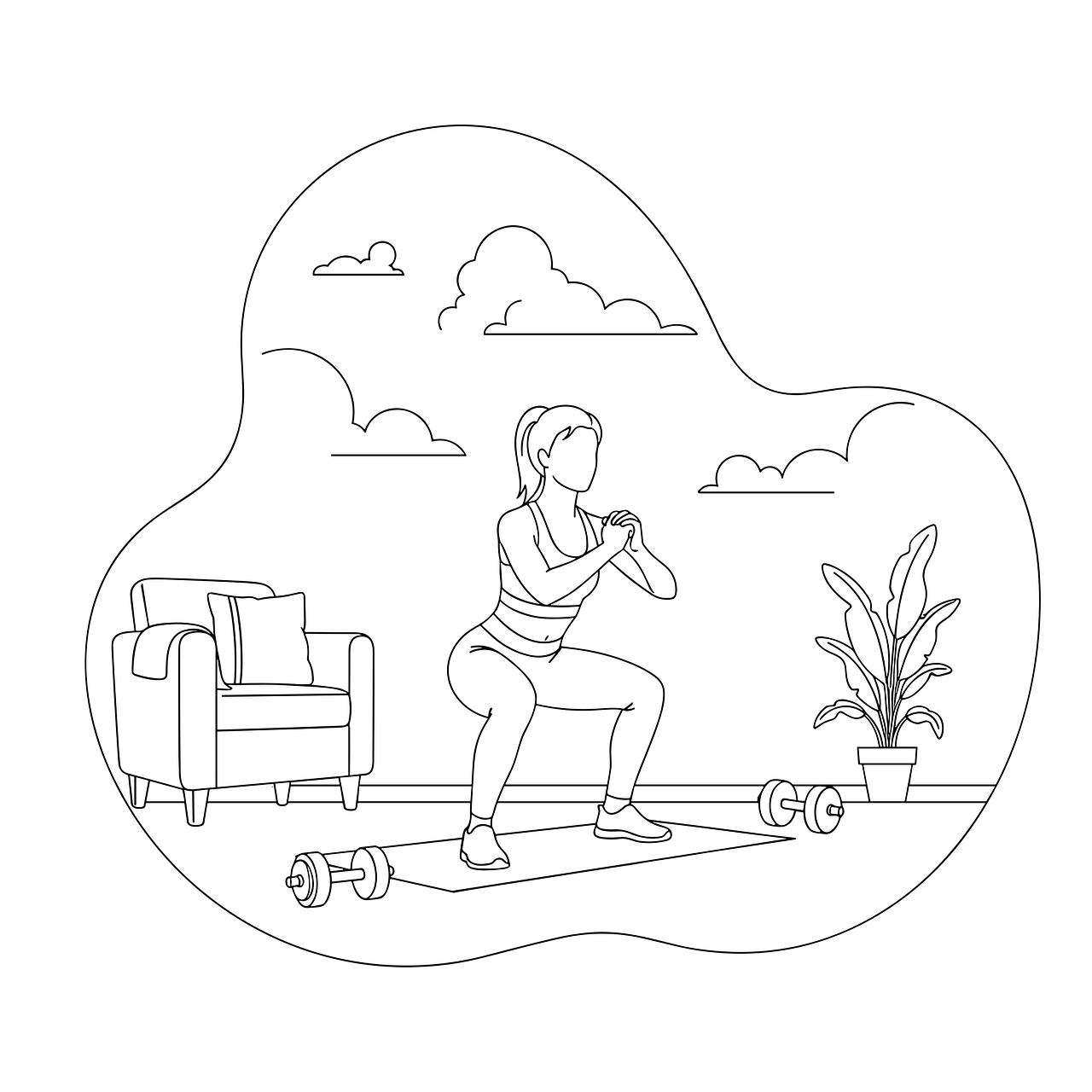
Equipped with a solid workout plan, it’s time to explore some key bodyweight exercises worth including. Start with push-ups, a versatile exercise targeting your chest, shoulders, and triceps. Modify them by adjusting hand positions or elevating your feet to increase difficulty. Next, you should explore squats, which are fantastic for building lower body strength. Ensure you maintain proper form by keeping your knees aligned with your toes. Lunges are another excellent variation to develop balance and coordination. Aim for alternating legs or backward lunges to engage your glutes and quads effectively. Planks can significantly boost core strength and stability. Vary your planking positions, trying side planks or extended planks to add complexity. Additionally, introducing exercises like glute bridges or dips can further diversify your workout routine. Challenge yourself with dynamic movements like jump squats or tuck jumps for cardiovascular intensity. Finally, don’t forget the cooldown! After working hard, stretching is essential to facilitate recovery while maintaining flexibility. Incorporating these exercises will result in a well-rounded program promoting functional fitness and overall well-being.
Maximizing Results with Bodyweight Training
To maximize your results with bodyweight training, consider the principles of progressive overload. This concept involves gradually increasing the challenge of your workouts so your body continually adapts. For instance, this can be achieved by increasing repetitions, performing variations of exercises, or minimizing rest intervals. Tracking your workouts can also illustrate progress—a critical motivating factor for your fitness journey. Documentation allows you to see improvements and continuously strive to surpass your previous achievements. Moreover, alternating between different workout formats fosters engagement. Tabata intervals might involve executing high-intensity bursts, while circuits can incorporate variety into training sessions. Feel free to modify the intensity by adding movements like explosive push-ups or jumping lunges as your fitness improves. Additionally, consider tracking your body measurements or taking progress pictures. This can enhance motivation levels while providing tangible evidence of your success. Fuel your body with proper nutrition, focusing on well-rounded meals to complement your workouts. Hydration also plays a vital role, ensuring optimal performance and recovery. By committing to these principles and maintaining a positive mindset, you can achieve remarkable results with bodyweight training.
In conclusion, functional bodyweight workouts are incredibly beneficial for busy individuals looking to prioritize fitness. Thanks to their convenience, adaptability, and versatility, integrating bodyweight exercises into daily routines has never been simpler. You do not need expensive memberships or complicated equipment; rather, you can achieve significant results with minimal resources. Consistency, proper planning, and goal setting are essential elements in crafting an effective workout regimen. The combination of these principles encourages enhanced physical conditioning while still accommodating your schedule. Remember to embrace variations and modifications based on your fitness level. Furthermore, motivating yourself with progress tracking and engaging formats will help sustain your interest over time. Moreover, engaging family or friends can foster accountability and enhance the fitness experience. By taking small yet consistent steps towards incorporating bodyweight training into your life, you are well on your way to achieving functional strength, improved mobility, and better overall health. Begin today and enjoy the many benefits this approach can offer, turning any available time into an opportunity for personal development and wellness!